

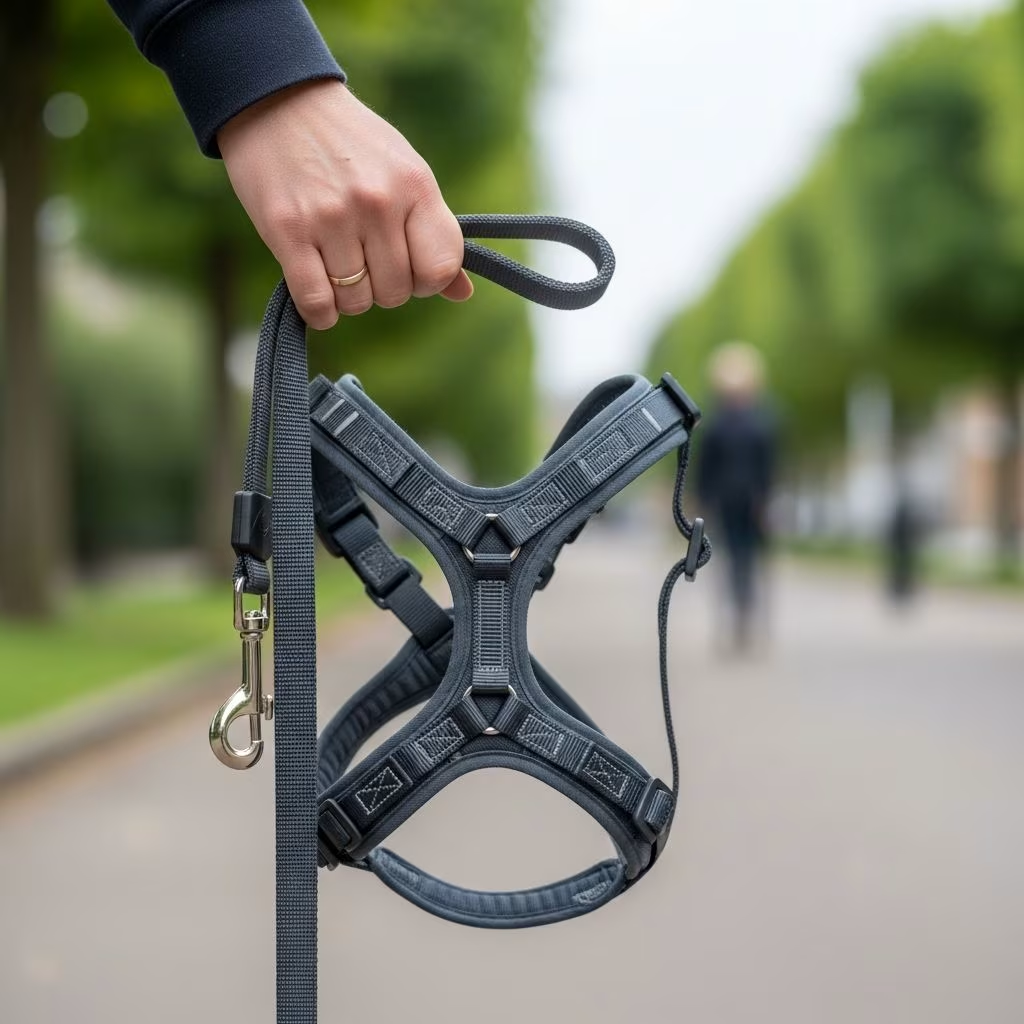
Walking your dog is one of the joys of pet ownership, but the equipment you use matters greatly for their safety and health. Traditional collars, while common for identification, pose significant risks when attached to a leash, especially for dogs that pull. Veterinary experts and recent research highlight potential injuries to the trachea, neck, eyes, and even behavioral changes. This article explores why collars are problematic for walks, the science behind the risks, and why harnesses offer a superior alternative.
Why Collars Can Harm Your Dog During Walks
Collars concentrate pressure on a dog’s delicate neck area when they pull or lunge, leading to serious injuries. The trachea, or windpipe, can collapse or become damaged from repeated force, causing chronic respiratory issues. Strong pullers exacerbate this, as sudden jerks mimic choke chain effects even on flat collars.1 Vets recommend avoiding collars for walking to prevent such trauma.
In addition to tracheal risks, collars increase intraocular pressure, harmful for dogs with glaucoma or thin corneas. Research shows significant pressure spikes during leash tension, recommending harnesses for at-risk breeds.2
The Science Behind Collar Risks: Research Evidence
Studies confirm collars’ dangers. A key investigation measured physiological effects on dogs walking with collars versus harnesses. Collars caused higher ocular pressure and neck strain, particularly in pullers, risking injury. Authors urged more real-world studies but concluded collars heighten risks for lunging dogs.2
- Tracheal Damage: Repeated pulling compresses the airway, leading to collapse over time.
- Eye Health: Pressure rises can harm glaucoma-prone dogs; harnesses eliminate this.
- Neck Strain: Soft tissues and vertebrae suffer from force concentration.
Behaviorally, while one study found no stress differences between gear types, health concerns dominate recommendations.2 Collars suit calm, trained dogs but fail for most everyday walkers.
Harness vs. Collar: A Clear Comparison
Choosing between collars and harnesses? Here’s a breakdown:
| Feature | Collar | Harness |
|---|---|---|
| Safety for Pulling | High risk of neck/trachea injury | Distributes pressure across chest |
| ID Attachment | Ideal for tags | Supports tags; use with collar at home |
| Comfort on Walks | Painful for strong pullers | Allows natural movement |
| Best For | Calm, loose-leash walkers | Pullers, puppies, brachycephalics |
| Drawbacks | Choking hazard | May encourage pulling if poorly fitted |
Harnesses win for safety, taking pressure off the neck for a healthier experience.3 Pair with a collar for ID when not walking.
Pros and Cons of Collars
Pros
- Easy to fit ID tags and leashes.
- Quick on/off; stylish options abound.
- Legal requirement in most areas for public ID.
Cons
- Dangerous for pullers: Risks trachea damage, neck strain.1
- Hazard when unsupervised: Snags on crates, furniture, or during play.3
- Eye pressure increases during tension.2
Pros and Cons of Harnesses
Pros
- Safer walking: No neck pressure.
- More freedom for exploration.
- Ideal for training pullers.
Cons
- Some designs may spur pulling if ill-fitted.
- Harder to put on wriggly dogs.
- Less ideal as sole ID if no collar backup.
When Collars Are Appropriate (And When They’re Not)
Use collars for ID at home or on calm walks only. Avoid for:
- Dogs that pull/lunge.
- Puppies learning leash manners.
- Breeds prone to eye/neck issues (e.g., Bulldogs, Pugs).
Behaviorists note collars suit trained adults but switch to harnesses for reactivity.3
Safety Concerns: Collar-Free at Home?
The ‘naked dog’ trend raises questions. At home, supervised collar-free can comfort irritation-sensitive dogs, avoiding snags.1 But never fully naked outside—ID is legally required, and microchips delay reunions without tags.1
Vets confirm most dogs tolerate collars like jewelry, but remove for crating/play.4 Dr. Carly Fox notes: “Most dogs are comfortable, but situations like pulling warrant harnesses.”4
Do Dogs Actually Dislike Collars?
Viral videos show ‘happy naked dogs,’ sparking debate. Many adapt fully, per vets like Dr. Brian Collins: “Dogs habituate like to watches.”4 Rescue dogs may resent from past trauma, benefiting from home collar-free time.
Trainer Sian Lawley-Rudd observes rising collarless trends for ‘natural’ lifestyles, safe at home but risky publicly without ID.1
Expert Recommendations for Safe Walking
Kate LaSala advises harnesses for play-prone dogs to prevent snags.1 Always:
- Fit properly: Two fingers under gear.
- Train loose-leash walking.
- Use collar for ID, harness for leads.
- Microchip as backup.
For pullers, no-collar walks heighten escape risks without visible info.1
Frequently Asked Questions (FAQs)
Should I take my dog’s collar off at home?
Yes, if supervised, to prevent snags—especially crating or play. Reattach ID before outings.3
Is a harness better than a collar for walking?
Absolutely for most dogs, especially pullers, avoiding neck injuries.2
Do dogs mind wearing collars?
Most don’t, adapting quickly, but avoid for walks if pulling occurs.4
Can collars cause permanent damage?
Yes, tracheal collapse or eye issues from repeated strain.2
What’s the naked dog trend?
Owners remove collars at home for comfort; fine supervised, but ID essential outside.1
Switch to Harnesses Today for Healthier Walks
Prioritize your dog’s well-being: Ditch collars for leashes. Consult vets for breed-specific advice, ensuring joyful, injury-free adventures. Proper gear transforms walks into safe bonding time.
References
- Is the ‘Naked Dog’ Trend Actually Good for Our Pets? — Kinship. 2023. https://www.kinship.com/dog-lifestyle/naked-dog-trend-dog-collars
- A Collar vs a Harness for Walking your Dog — Quality Canines. 2023. https://www.qualitycanines.co.uk/blog/should-you-use-a-collar-or-a-harness-on-your-dog-when-out-walking
- Harness vs. Collar: Which Is Better for Your Dog? — Kinship. 2023. https://www.kinship.com/dog-behavior/harness-vs-collar
- Does Your Dog Want Their Collar Taken off When They Get Home? — Kinship. 2023. https://www.kinship.com/dog-behavior/should-you-take-off-dogs-collar



