

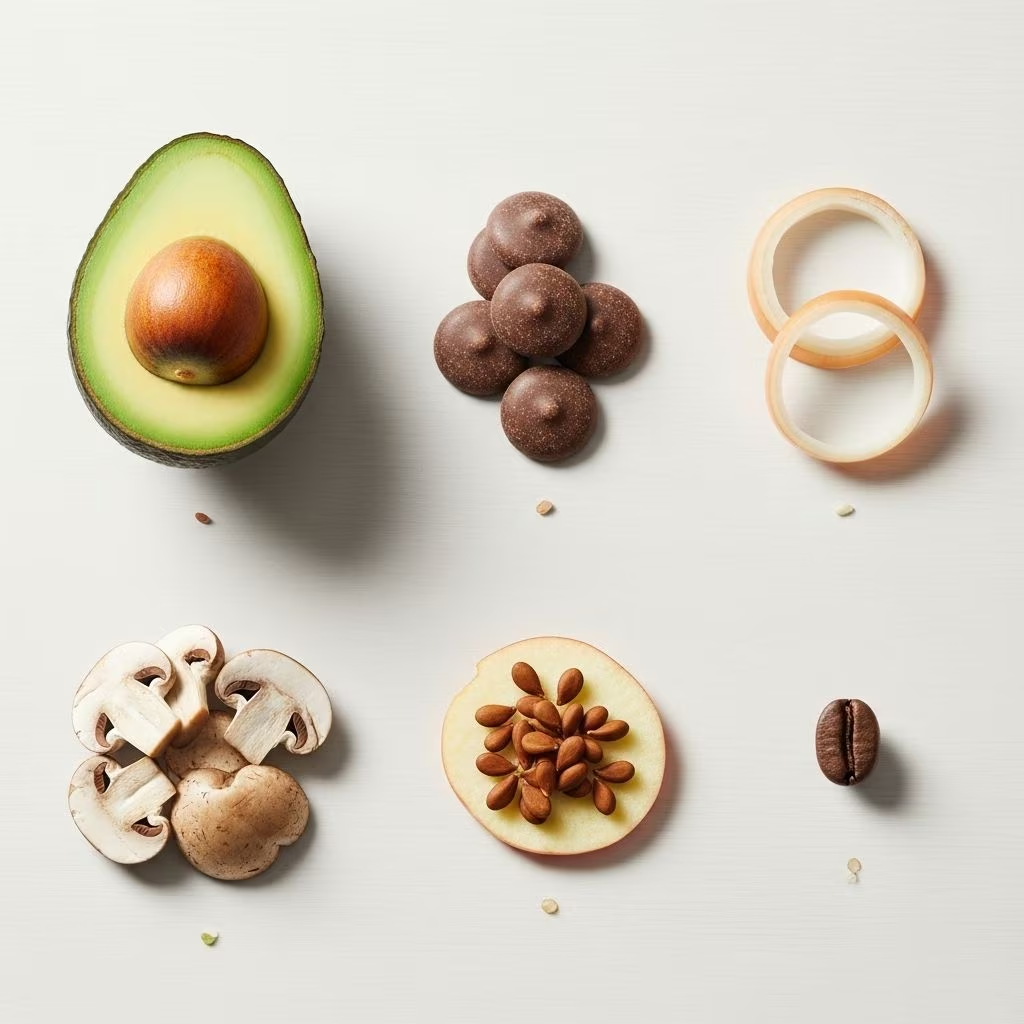
Don’t Feed Your Pet Bird These 6 Foods
As a pet bird owner, understanding proper nutrition is essential for maintaining your feathered companion’s health and longevity. While sharing meals with your bird can be a wonderful bonding experience, not all human foods are safe for avian consumption. In fact, certain foods are highly toxic and can cause severe illness or even death in birds. Because birds have smaller body weights and different metabolic systems than humans, even small quantities of dangerous foods can have serious consequences. This comprehensive guide covers six critical foods you should never feed your pet bird and explains the specific health risks associated with each.
1. Chocolate: A Sweet Poison
Chocolate is one of the most well-known toxic foods for birds, yet it remains a common threat in many households. Chocolate contains a compound called theobromine, which acts as a stimulant similar to caffeine. In high enough quantities, theobromine can cause severe health problems in birds including heart arrhythmias, depression, regurgitation, seizures, liver damage, and even death.
The danger of chocolate toxicity lies in several factors. First, chocolate’s thick consistency makes it difficult for a bird’s system to flush out efficiently once ingested. Second, even small amounts can be harmful because of a bird’s significantly lower body weight compared to humans. A bird’s body weight is substantially less than ours, meaning it takes much smaller volumes of toxic substances to cause equal signs of illness. Additionally, chocolate candy poses a secondary threat due to its high sugar content, which is not suitable for pet birds.
Different types of chocolate present varying levels of toxicity. Dark chocolate contains higher concentrations of theobromine than milk chocolate, making it particularly dangerous. Even a single bite of chocolate could potentially harm your bird, so it’s crucial to keep all chocolate products safely stored away from your feathered friend’s reach.
2. Avocado: The Toxic Fatty Acid Threat
Avocado is absolutely prohibited for pet birds due to the presence of persin, a fatty acid-like compound found throughout the fruit, including the pit, flesh, leaves, and stem. Persin has cardio-toxic effects that can severely damage a bird’s heart and overall cardiovascular system. Avocado toxicity produces symptoms including lethargy, loss of appetite (anorexia), breathing difficulty, and can result in sudden death.
Smaller bird species such as lovebirds, budgies, and cockatiels appear to be especially susceptible to avocado poisoning. These birds often become very sick and may die within just one or two days of consuming avocado. However, larger parrot species are also vulnerable to avocado toxicity and should never be offered any part of the avocado plant or fruit. In some cases, toxicity may develop over time if a bird is repeatedly exposed to avocado, meaning even chronic low-level exposure poses a significant health risk.
The safest approach is to avoid feeding your pet bird any part of the avocado plant or fruit, regardless of the bird species or avocado variety. While some bird breeders have reported feeding certain avocado varieties to their birds without apparent problems, the risks far outweigh any potential benefits, making complete avoidance the best practice.
3. Shellfish: A Hidden Bacterial Danger
Shellfish presents a unique danger to pet birds that differs somewhat from the threat it poses to humans. While humans may occasionally tolerate shellfish exposure, birds are far more sensitive to potential contaminants and toxins found in shellfish. The bacterial and toxic content in shellfish can be hazardous for birds, making this food category unsuitable for avian consumption.
The concern with shellfish extends beyond simple bacterial contamination. Shellfish can harbor various pathogens and naturally occurring toxins that humans might be able to tolerate but that can prove lethal for birds. Given the sensitivity of avian digestive and immune systems, it’s best to avoid shellfish entirely rather than taking unnecessary risks with your pet’s health.
4. Undercooked and Reheated Meat and Poultry
Raw, undercooked, or reheated animal proteins pose serious bacterial infection risks to pet birds. Any meat, fish, poultry, or eggs that is undercooked or has been cooked, refrigerated, and then reheated should never be offered to your feathered companion. Bacteria such as Salmonella and E. coli thrive in improperly handled or stored animal proteins and can cause severe gastrointestinal infections in birds.
The bacterial load in undercooked meat is substantially higher than in freshly and fully cooked products. When you reheat previously cooked meat, you may kill some bacteria, but surviving bacteria can multiply rapidly, creating dangerous conditions. If you’re enjoying a reheated steak sandwich for lunch or a protein shake containing raw eggs, resist the temptation to share these foods with your bird. The risk of serious illness far outweighs any momentary joy your bird might experience from the treat.
If you want to offer your bird meat-based treats, ensure the protein is freshly cooked to a safe internal temperature and served immediately without refrigeration or reheating.
5. Caffeinated and Alcoholic Beverages
Caffeine and alcohol are both toxic substances for pet birds and should never be included in their diet. Caffeinated beverages such as coffee, tea, energy drinks, and soft drinks can cause the same stimulant effects as chocolate, leading to hyperactivity, heart palpitations, and other serious cardiovascular problems in birds.
Alcoholic beverages are even more dangerous, as birds metabolize alcohol differently than humans and can experience rapid intoxication from small quantities. Alcohol can cause central nervous system depression, impaired coordination, respiratory depression, and in severe cases, death. Even small amounts of beer, wine, or spirits can be life-threatening to a pet bird.
Keep all caffeinated and alcoholic beverages securely stored away from your bird’s environment. Additionally, be cautious about leaving unattended drinks within your bird’s reach, as curious birds may attempt to sample these beverages.
6. Moldy Grains and Peanuts: The Aflatoxin Risk
One of the most insidious food dangers for pet birds is aflatoxin, a deadly toxin produced by certain molds that grow on grains and peanuts. Birds are exquisitely susceptible to the toxic effects of aflatoxin, which is a potent liver toxin that can cause liver cancer and death. Improper storage of peanuts and grains in warm, damp, dark conditions promotes the growth of aflatoxin-producing molds.
Historical records document numerous cases of pet birds dying after consuming moldy peanuts and grains. In England, many turkeys died from aflatoxicosis after eating contaminated corn in what was termed “Turkey X” disease. To this day, clear accounts of pet bird deaths from aflatoxin exposure continue to emerge. Birds can develop liver cancer, and prolonged consumption of poor-quality food with low levels of mold contamination may contribute to malignancy development.
To protect your bird, only purchase high-quality peanuts and grains from reputable sources, and store them properly in cool, dry conditions. The USDA monitors grains produced in the United States for aflatoxin-producing molds, but the primary concern often lies with private storage. Always inspect peanuts and grains for signs of mold before offering them to your bird, and discard any suspicious products immediately.
Additional Foods to Avoid or Limit
High-Fat and High-Salt Foods
Many bird owners unknowingly feed their birds foods that are too high in fat and salt. Sunflower seeds, though loved by most birds, are incredibly high in fat and essentially equivalent to human fast food. Prolonged exposure to high-fat and high-salt foods causes the same health problems in birds as in humans: heart disease, obesity, diabetes, and liver disease. Asian foods, potato chips, salted nuts, and processed foods are typically too high in salt to be safe for birds. Similarly, French fries and other fried foods are loaded with salt and fat, making them unsuitable for pet bird consumption.
Fruit Pits and Seeds
Many bird owners love sharing fruit with their feathered friends, but certain fruit components are extremely dangerous. Fruit pits and seeds from apples, cherries, apricots, plums, and peaches contain cyanide and should never be fed to birds. Always carefully remove all seeds and pits before offering any fruit to your pet.
Onions and Garlic
Onion and garlic toxicity is well-documented in birds, just as it is in dogs and cats. These foods can cause issues with blood cells, liver, and kidneys in avian species. Avoid feeding your bird any foods containing onions or garlic, including dishes prepared with these ingredients.
Xylitol and Artificial Sweeteners
Xylitol is an artificial sweetener commonly found in sugar-free products that causes severe low blood sugar and liver disease. While data on xylitol toxicity in most bird species is limited, it is generally assumed to be unsafe for birds. Read all food labels carefully to avoid accidentally exposing your bird to artificial sweeteners.
Dairy Products
Dairy products should be given to birds only in very small amounts, as birds cannot process large quantities of lactose. Most adult birds lack sufficient lactase enzyme to digest dairy effectively, making cheese, milk, and yogurt problematic dietary components.
Understanding Your Bird’s Nutritional Needs
Pet birds have specific caloric and nutritional requirements that vary based on species, age, and overall health status. A well-balanced bird diet should consist primarily of high-quality pellets specifically formulated for your bird species. While many bird owners traditionally fed seed-based diets, these are now known to commonly result in malnutrition and obesity. Birds fed seed-based diets typically select only their favorite seeds, avoiding the nutritious components they need for optimal health.
While pellets should constitute the majority of your bird’s diet, your feathered friend can enjoy human food treats in moderation. Sharing snacks with your bird is an excellent way to train and bond with your pet. However, it’s essential to choose safe, nutritious treats that won’t compromise your bird’s health. Always consult with your veterinarian about appropriate food options for your specific bird species and individual health circumstances.
Signs of Food Toxicity in Birds
If you suspect your bird has consumed a toxic food, watch for signs including lethargy, loss of appetite, abnormal droppings, ruffled feathers, difficulty breathing, regurgitation, seizures, or sudden behavioral changes. Some toxins act very quickly, so immediate veterinary attention is critical. Birds may show distress within hours of ingestion, and some conditions can be fatal within 24 to 48 hours. The faster your pet receives professional treatment, the better the chances of recovery.
Frequently Asked Questions
Q: Can birds ever recover from eating toxic foods?
A: Yes, some birds can recover from eating toxic foods. The amount consumed often makes a significant difference in outcomes. Smaller quantities of toxic foods are not necessarily fatal, but rapid veterinary treatment substantially improves recovery chances.
Q: My bird ate chocolate—what should I do?
A: Contact your avian veterinarian immediately. Provide information about the type of chocolate (dark chocolate is more dangerous), the quantity consumed, and when the exposure occurred. Do not wait for symptoms to develop; seek professional help right away.
Q: Are all parts of the avocado plant toxic?
A: Yes, all parts of the avocado plant are toxic to birds, including the leaves, fruit, stem, bark, and seeds. To be completely safe, avoid offering any part of the avocado plant to your bird.
Q: How can I tell if peanuts or grains have mold?
A: Look for visible signs of mold, including discoloration, white or green fuzzy growth, or unusual odors. When in doubt, discard the product. Always purchase from reputable sources and store in cool, dry conditions.
Q: What should I feed my bird as treats?
A: Safe treat options include fresh, pesticide-free vegetables like leafy greens, carrots, and broccoli; fresh fruits (with pits and seeds removed) like berries, melons, and oranges; and small quantities of nuts like almonds and walnuts. Always introduce new foods gradually and in moderation.
Q: Is it safe to share my meal with my bird?
A: Most human meals are too high in salt, fat, and spices for birds. While you can offer small amounts of certain plain, unseasoned foods, it’s best to prepare specific treats designed for your bird rather than sharing your meals.
References
- Bad Foods For Parrots — Chewy. Accessed November 2025. https://www.chewy.com/education/bird/parrot/bad-foods-for-parrots
- Toxic Foods for Birds — PetMD. Accessed November 2025. https://www.petmd.com/bird/foods-are-toxic-birds
- Bird Food Myths And Facts — Chewy. Accessed November 2025. https://www.chewy.com/education/bird/food-and-nutrition/bird-food-myths-and-facts
- Are Peanuts Safe For Birds? — Chewy. Accessed November 2025. https://www.chewy.com/education/bird/general/are-peanuts-safe-for-birds



