

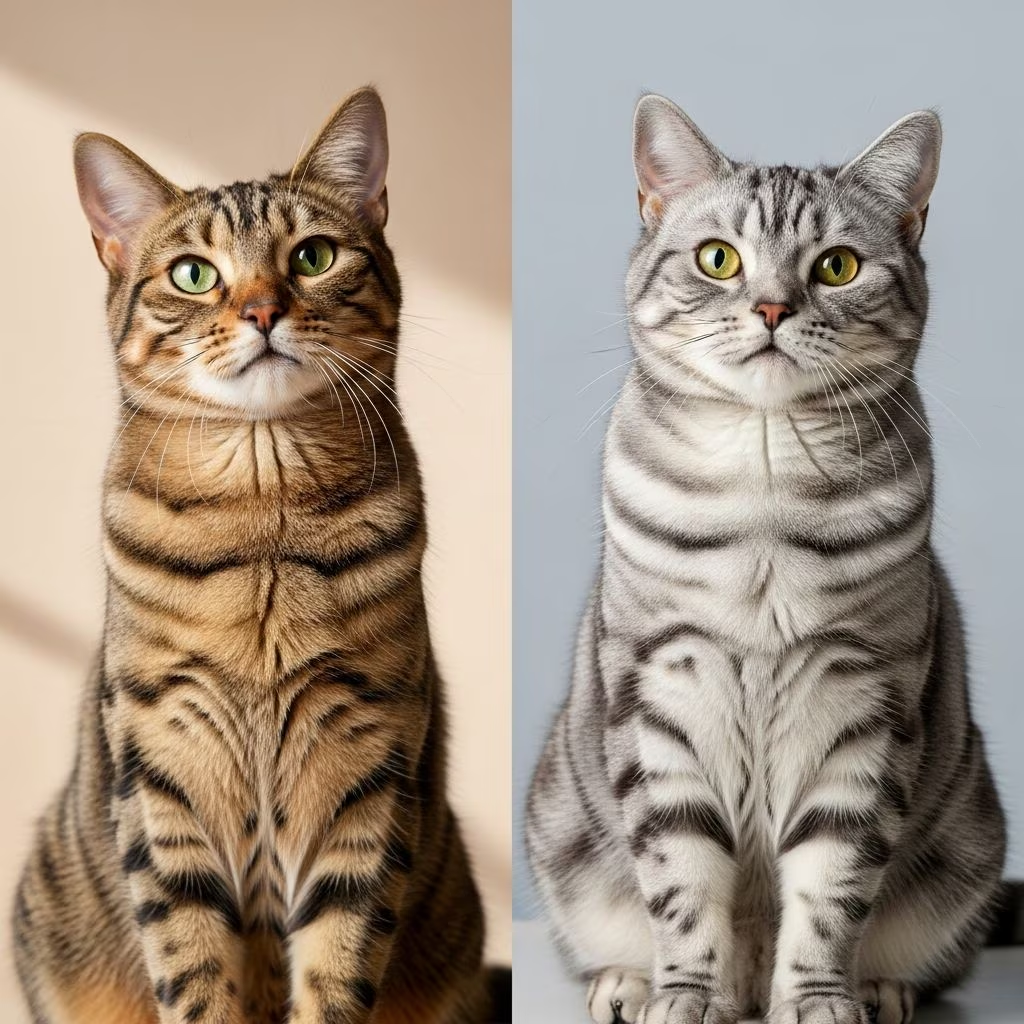
Domestic Shorthair and American Shorthair cats are two of the most common shorthaired felines you’ll encounter, but they differ significantly in breed status, appearance, temperament, and care requirements. Domestic Shorthairs represent the diverse mixed-breed population making up the majority of household cats, while American Shorthairs are a standardized purebred with roots in early American working cats. Understanding these distinctions helps prospective owners select the right cat for their home, lifestyle, and family dynamics.
Domestic Shorthair Cat Overview
The **Domestic Shorthair (DSH)** is not a formal breed but a category encompassing the vast majority of short-haired domestic cats worldwide. These cats result from natural interbreeding over centuries, leading to immense variability in appearance and personality. Often found in shelters, DSHs are hardy, adaptable companions prized for their resilience and low-maintenance nature.
At a Glance (Domestic Shorthair)
- Average height (adult): 8–10 inches
- Average weight (adult): 6–12 pounds
- Lifespan: 10–20 years
- Exercise: 1+ hours a day
- Grooming needs: Low
- Family-friendly: Yes
- Other pet-friendly: Usually
- Origin: North America (mixed heritage)
- Temperament: Quiet, docile, affectionate, playful
Physical Characteristics
Domestic Shorthairs exhibit a wide array of body types, from slender and athletic to stocky builds. They typically have medium frames with slim chests, wedge-shaped noses, and medium-sized ears set wide at the base. Eyes are medium-sized, round, and spaced apart, often in shades of golden-green, green, or yellow-green matching their coat. Their coats come in over 20 colors and patterns, including black, brown, red, white, and orange tabby—making each cat uniquely patterned. Strong hind legs enable graceful climbing and hunting, contributing to their agile, muscular physique.
Personality & Character
DSHs display diverse temperaments due to their mixed genetics, ranging from independent explorers to cuddly lap cats. Generally affectionate and playful, they adapt well to various environments and often entertain themselves, making them suitable for busy households. They are usually quiet, less vocal than some breeds, and thrive on moderate interaction without demanding constant attention.
Health & Care
These cats are renowned for robust health stemming from genetic diversity, with lifespans often reaching 15-20 years. Common issues are minimal, though obesity can occur if overfed. Grooming is simple: weekly brushing suffices for their short coats, which shed moderately. They require daily play for exercise to prevent weight gain, as they love food.
Suitability
Ideal for apartments, multi-pet homes, or families needing a low-fuss cat. DSHs tolerate being left alone, get along with dogs and kids, and suit first-time owners due to their forgiving nature.
- Low-maintenance grooming needs
- Generally healthy and hardy
- Many colors and patterns to choose from
- Highly adaptable
- Suitable for multi-pet households
- Can be left alone during the day
- Usually affectionate and easy to train
- Personality harder to predict than purebreds
American Shorthair Cat Overview
The **American Shorthair (ASH)** is a purebred cat developed from European shorthairs brought to America by settlers for pest control. Bred for standardization since the late 19th century, they retain a muscular, working-cat build while offering predictable traits valued by breeders and families alike.
At a Glance (American Shorthair)
- Average height (adult): 10–14 inches
- Average weight (adult): 9–14 pounds (males larger)
- Lifespan: 15–20 years
- Exercise: 1+ hours a day
- Grooming needs: Low to moderate
- Family-friendly: Yes
- Other pet-friendly: Often
- Origin: United States
- Temperament: Affectionate, social, bold
Physical Characteristics
ASH cats boast sturdy, muscular bodies with short, rectangular frames, broad chests, round heads, and medium ears. Their faces are broad with large, widely spaced round eyes. Tails are long and thick, coats short, dense, and lustrous—thickening in winter. Colors include silver tabby (classic), brown, cream, golden, red, and more, but they maintain a consistent ‘working cat’ athleticism. They mature slowly, reaching full size by age 4.
Personality & Character
Known for balanced temperaments, ASH are affectionate without clinginess, sociable, intelligent, and playful. They enjoy family interaction, learning tricks, harness walks, and games, yet happily self-entertain. Bold and adaptable, they vocalize more than DSHs but remain easygoing.
Health & Care
Healthier than many purebreds due to strong genetics, but prone to hypertrophic cardiomyopathy (HCM), polycystic kidney disease (PKD), and obesity. Lifespan averages 15 years. Dense coats shed heavily seasonally, requiring 3-4 weekly brushings. Monitor diet closely.
Suitability
Versatile for apartments to farms, they prefer company but manage alone. Great with kids, pets, and training; their sociability suits active families.
- Adaptable to various homes
- Suitable for multi-pet households
- Consistently affectionate
- Easy to train and playful
- Can be left alone occasionally
- Wide color varieties
- Reputable breeders available
- Potential health conditions
- Frequent shedding
Key Differences: Domestic Shorthair vs American Shorthair
While visually similar, distinct traits set them apart. Here’s a detailed comparison:
| Aspect | Domestic Shorthair | American Shorthair |
|---|---|---|
| Breed Status | Mixed-breed (DSH), no pedigree | Purebred (ASH), pedigreed |
| Appearance | Variable: angular head, almond eyes, slim body, diverse patterns | Consistent: broad head, round eyes, muscular build |
| Size | 8-10″ tall, 6-12 lbs | 10-14″ tall, 9-14 lbs |
| Coat | Short, lush, fluffy; 20+ colors | Short, dense, smooth; standard colors |
| Tail | Plume-shaped, fluffy tip | Pointed, solid feel |
| Temperament | Variable: independent, quiet, nocturnal | Predictable: social, bold, vocal |
| Health | Very robust, fewer issues | Good but breed risks (HCM, obesity) |
| Grooming | Low | Low-moderate, heavy shed |
| Living Environment | Apartments, needs company | Versatile, outdoor-tolerant |
Which Breed Is Right for You?
Choose **Domestic Shorthair** for unpredictably charming, ultra-healthy cats ideal for small spaces or variable personalities. Opt for **American Shorthair** if you prefer guaranteed affection, trainability, and classic looks from a breeder. Both excel as family pets but monitor obesity in either. DSHs suit shelter adopters; ASH appeal to those seeking standards.
Frequently Asked Questions
What’s the difference between Domestic Shorthair and American Shorthair?
Domestic Shorthairs are mixed-breed cats with variable traits; American Shorthairs are purebreds with standardized appearance and personality.
Which is healthier: Domestic or American Shorthair?
Domestic Shorthairs generally have superior health due to genetic diversity; American Shorthairs are healthy but prone to breed-specific issues like HCM.
Are Domestic Shorthairs good family pets?
Yes, they are adaptable, affectionate, and usually great with kids and other pets.
Do American Shorthairs shed a lot?
They shed moderately to heavily, especially seasonally, requiring regular brushing.
Can both breeds live in apartments?
Yes, both are adaptable, but provide daily exercise and play for optimal health.
References
- American Shorthair vs Domestic Shorthair Cats: The Differences — Hepper. 2023. https://articles.hepper.com/american-shorthair-vs-domestic-shorthair-cat/
- Making Sense of Shorthair Cats – American vs Domestic vs British — Silver Shorthairs. 2017-09-23. https://silvershorthairs.com/2017/09/23/ash-bsh-dsh/
- Domestic Shorthair vs American Shorthair Cat: Main Differences — Catster. 2023. https://www.catster.com/cat-breeds/domestic-shorthair-vs-american-shorthair-cat/
- What Is a Domestic Shorthair Cat? — Litter-Robot. 2023. https://www.litter-robot.com/blog/domestic-shorthair/
- American Shorthair vs. Domestic Shorthair: Understanding the Differences — Orea Teai. 2023. https://www.oreateai.com/blog/american-shorthair-vs-domestic-shorthair-understanding-the-differences/e8bb8e03c4f5a6948408e6f3bb8e40ad



