

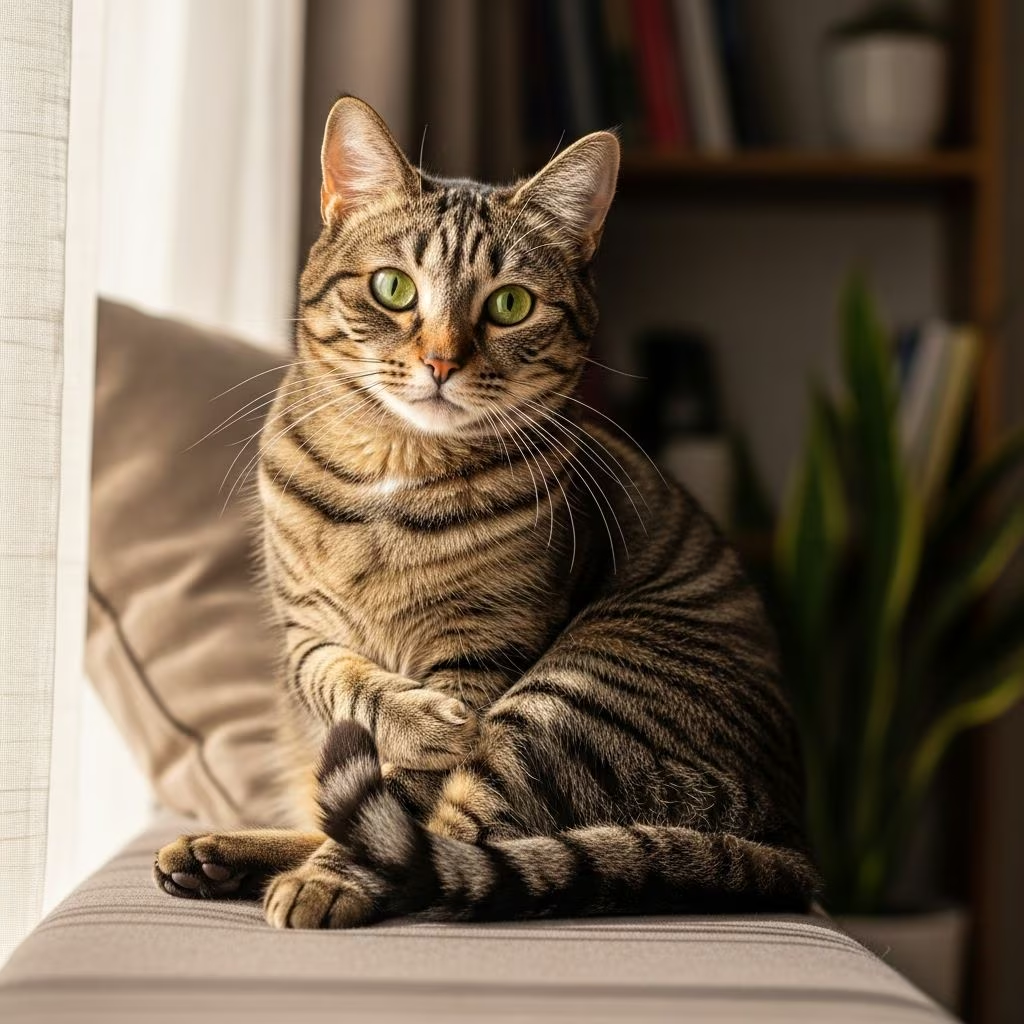
The domestic shorthair cat represents one of the most prevalent feline types found in households worldwide. Often referred to as moggies or housecats, these mixed-breed felines have earned their popularity through their remarkable adaptability, low-maintenance requirements, and endearing personalities. Unlike pedigree cats with established breeding standards, domestic shorthairs embody the genetic diversity of countless generations of natural breeding, resulting in cats with unique characteristics that make each individual special.
The Genetic Heritage and Physical Composition
Domestic shorthair cats possess a complex genetic background stemming from multiple cat lineages that have interbred naturally over centuries. This mixed ancestry creates tremendous variation in their physical appearance, meaning no two domestic shorthairs are precisely identical. Their genetic diversity contributes to what scientists term “hybrid vigor,” a phenomenon where mixed-breed animals often exhibit superior health outcomes compared to their pedigree counterparts.
In terms of size, domestic shorthairs typically fall within the medium range, though they can occasionally be smaller or larger depending on their individual genetic composition. Most specimens weigh between 2.5 to 7 kilograms, with males generally outweighing females. Their body structure emphasizes muscularity and athleticism, featuring rounded heads, medium-length tails, and sturdy paws designed for their natural hunting capabilities.
Coat Characteristics and Color Variations
One of the most striking features of domestic shorthairs is their remarkable diversity in coat colors and patterns. Their short fur typically lies close to the body, though texture can range from sleek and smooth to slightly coarse. The variety of coloration includes black, ginger, grey, white, brown, and numerous combinations thereof.
Pattern variations are equally diverse. The tabby pattern—characterized by striped or swirled markings in brown and black with occasional white accents—remains the most recognizable pattern among domestic shorthairs. However, these cats also display tuxedo patterns (black with white markings), calico (tri-colored coats), tortoiseshell (bi-colored coats), and solid single-color variations. Eye color similarly varies considerably, ranging from golden hues to green or blue.
An intriguing characteristic of domestic shorthair coats is their capacity for color changes over time. Factors such as age, temperature, and sun exposure can influence coat coloration; for instance, some kittens may lighten or darken as they mature, and exposure to sunlight can subtly alter shade intensity.
Temperament: The Spectrum of Personality
Perhaps the most defining characteristic of domestic shorthairs is the remarkable breadth of personality types within the breed. Due to their mixed genetic origins, individual cats can exhibit vastly different behavioral profiles. Some domestic shorthairs are outgoing and rambunctious, readily engaging with visitors and family members, while others are introspective and reserved, preferring the companionship of their chosen bonded individual.
Common personality traits frequently observed include friendliness, playfulness, affectionateness, and adaptability. Many domestic shorthairs demonstrate docile and calm temperaments, though others exhibit more active and vocal behaviors. The breed is notably non-aggressive in nature, making individual cats excellent companions for families with children and for multi-pet households. When properly introduced, domestic shorthairs typically integrate well with other cats and dogs.
The adaptability of domestic shorthairs extends to their living situations. These cats demonstrate the capacity to thrive in diverse environments, from bustling households full of activity to quiet apartments. Some individuals are bundles of kinetic energy who relish interactive play sessions, while others prefer a more sedentary lifestyle, contentedly spending afternoons resting on couches or laps.
Intelligence and Cognitive Abilities
Domestic shorthair cats possess notably high intelligence levels, a characteristic directly attributable to their natural, uncontrolled breeding without human intervention. This broader genetic pool contributes to enhanced cognitive abilities compared to some selectively bred pedigree cats. Domestic shorthairs demonstrate sharp memory retention and respond readily when called by name. Their intelligence, combined with their natural hunting instincts, manifests in quick problem-solving abilities and keen observational skills regarding their environment.
The Hunting Instinct: A Working Cat Legacy
Domestic shorthairs are classified as “working cats” due to their exceptional hunting abilities and historical role in controlling rodent populations. This instinctual drive has served humans for centuries, making these cats valuable for pest management. The hunting instinct emerges early, often visible in young kittens through pouncing behaviors and playful attacks on moving objects, and may continue throughout the cat’s lifespan.
While these hunting skills can be beneficial in certain contexts, they present considerations for responsible pet ownership. Domestic shorthairs allowed outdoors may impact local wildlife populations, particularly birds and small mammals. Furthermore, outdoor access exposes cats to various hazards including road dangers, parasitic infestations (such as ticks), snake encounters, and potential infections like FIV (Feline Immunodeficiency Virus) through confrontations with other cats. Responsible ownership advocates for maintaining domestic shorthairs indoors or in secure cat enclosures to protect both the cats and local ecosystems.
Activity Patterns and Environmental Needs
Domestic shorthairs typically exhibit increased activity levels during nighttime hours, when their natural hunting instincts become most pronounced. This nocturnal inclination reflects their evolutionary heritage as hunters. These cats require appropriate environmental enrichment to channel their energy constructively. Providing safe elevated perches allows them to observe outdoor activity while engaging their balance and agility skills. Window perches and bird feeders outside windows satisfy their observational instincts while keeping them safely indoors.
Grooming and Coat Maintenance
One significant advantage of domestic shorthair ownership is their minimal grooming requirements compared to long-haired cat varieties. Weekly brushing is generally adequate to remove excess fur and maintain coat health. Despite their short coats, regular grooming remains beneficial for preventing matting and distributing natural skin oils throughout the fur.
Shedding intensity varies depending on individual coat type but typically increases during spring and autumn months as cats transition between seasonal coats. Regular brushing during these periods helps manage loose fur more effectively and reduces household hair accumulation.
Health Benefits of Genetic Diversity
The genetic diversity inherent in domestic shorthairs provides significant health advantages. The phenomenon of hybrid vigor means these mixed-breed cats generally experience fewer genetic disorders and health complications compared to many pedigree breeds that undergo selective breeding practices. This natural resilience makes domestic shorthairs relatively hardy cats requiring fewer specialized veterinary interventions for breed-specific conditions.
When maintained indoors, domestic shorthairs typically enjoy extended lifespans due to reduced exposure to environmental hazards and infectious diseases. Their overall robustness, combined with their affectionate and friendly nature, positions them as ideal companions for various household types.
Suitability for Different Households
Domestic shorthairs represent excellent choices for diverse household situations. First-time cat owners find these cats particularly approachable due to their non-aggressive nature and general adaptability. Single individuals appreciate their capacity for affection and companionship, while families with children benefit from their playful dispositions and gentle temperaments. Their low-maintenance care requirements and hardy nature make them accessible for households with varying levels of pet care experience.
Their compatibility with other pets further enhances their appeal. When properly introduced, domestic shorthairs integrate well into multi-pet households, interacting positively with both feline and canine companions. This adaptability extends to environmental adjustments, whether transitioning between apartments or larger homes.
Popular Domestic Shorthair Variations
Within the broad category of domestic shorthairs, certain variations have gained particular prominence. Persian Mix domestic shorthairs are notably popular, distinguished by their silky white coats and characteristically laid-back temperaments. Their luxurious fur and calm demeanor earn them the affectionate nickname “furniture with fur.” American Shorthair Mix variations are equally widespread, with countless descendants of this heritage existing globally. Maine Coon Mix domestic shorthairs represent some of the largest specimens within the category, typically exhibiting good-natured and adaptable characteristics.
Behavioral Traits and Social Compatibility
The social nature of domestic shorthairs makes them particularly valued companions. These cats generally display sociability and friendliness toward human family members and other animals when socialization occurs appropriately. Young domestic shorthairs exhibit pronounced playfulness and enthusiasm for interactive engagement with children and household members. Their capacity for affection pairs with their intelligence, creating cats that recognize routines, respond to their names, and develop strong bonds with primary caregivers.
Considerations for Responsible Ownership
Owning a domestic shorthair requires consideration of several factors to ensure optimal feline welfare. Indoor housing provides the safest environment, protecting cats from traffic hazards, predatory threats, and infectious diseases. Environmental enrichment becomes essential for channeling hunting instincts and maintaining physical fitness. Interactive toys, climbing structures, and window perches provide mental stimulation and physical activity outlets.
Regular veterinary care, preventative vaccinations, and parasite control remain important despite the breed’s general hardiness. Proper nutrition appropriate to individual activity levels and age supports long-term health. Spaying and neutering contribute to population control while providing health benefits including reduced cancer risk and behavioral modification.
Why Domestic Shorthairs Continue to Thrive
The enduring popularity of domestic shorthairs stems from their remarkable combination of practical and emotional benefits. Their genetic diversity provides superior health outcomes, their low-maintenance grooming requirements reduce care burdens, and their adaptable personalities suit diverse household situations. The versatility of domestic shorthairs—from their capacity to adjust to different living environments to their varied coat colors and personality types—ensures that potential cat owners can find individuals matching their specific preferences and lifestyle requirements.
As beloved companions in millions of households worldwide, domestic shorthair cats demonstrate that pedigree status holds no correlation to the quality of companionship, affection, and joy these animals bring to human lives.
References
- Domestic Shorthair Cat Breed Profile — PetSure. Accessed 2026. https://petsure.com.au/knowledge-hub/domestic-shorthair-cat-breed-profile/
- The Domestic Shorthair Cat Breed — Hill’s Pet Nutrition. https://www.hillspet.com/cat-care/cat-breeds/domestic-shorthair
- Domestic Shorthair Breed Information — Lifetime Pet Cover. https://www.lifetimepetcover.co.uk/pet-advice/cat-breeds/domestic-shorthair-breed-profile/
- Cat Lovers Guide to the Domestic Shorthair — Catnets. https://catnets.com.au/blogs/cat-demy/cat-lovers-guide-to-the-domestic-shorthair
- Domestic Shorthair Cats: A Comprehensive Guide — Basepaws. https://basepaws.com/blog/what-is-a-domestic-shorthair-cat
- What Is a Domestic Shorthair Cat? — Litter-Robot. https://www.litter-robot.com/blog/domestic-shorthair/



