

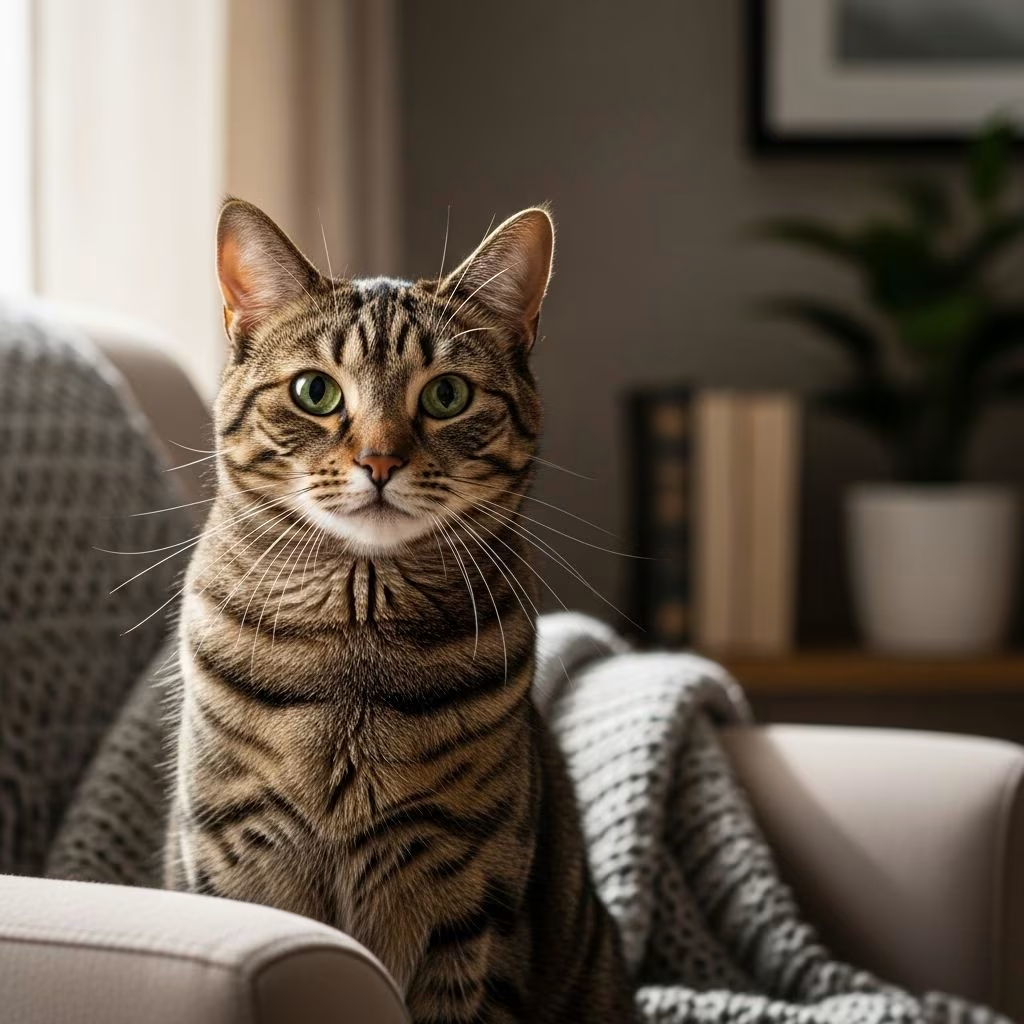
Domestic Shorthair cats represent the quintessential household pet, embodying a perfect blend of resilience, versatility, and charm. Unlike pedigreed breeds with rigid standards, these mixed-breed felines arise from natural interbreeding, resulting in a wide array of physical traits and personalities that make them incredibly adaptable to diverse living situations.
Origins and Historical Role
The Domestic Shorthair has deep roots intertwined with human civilization. For centuries, these cats have served as natural pest controllers, effectively managing rodent populations in homes, farms, and ships. Their hardy nature stems from generations of natural selection, favoring traits like strong hunting instincts and robust health.
Today, they dominate shelter populations worldwide, comprising the majority of adopted cats. This prevalence underscores their popularity and ease of care, making them a staple in households everywhere. Their history as “working cats” highlights an enduring legacy of utility and companionship.
Physical Diversity and Appearance
One of the most striking features of Domestic Shorthairs is their variability. These cats typically exhibit a medium to large frame with a muscular build, weighing between 3 to 7 kilograms, though sizes can fluctuate based on genetics.
- Body Structure: Sturdy legs, rounded head, and athletic physique support agility and endurance.
- Coat: Short, dense fur that lies close to the body; can be sleek or slightly coarse, with shedding peaking in spring and autumn.
- Colors and Patterns: Endless possibilities including tabby (most common in brown, black, white mixes), solid black, tuxedo (black and white), tortoiseshell, calico, ginger, grey, lilac, or multicolored combinations.
- Eyes: Range from golden to green, blue, or heterochromatic, often matching coat hues.
This diversity means no two Domestic Shorthairs look exactly alike, adding to their unique appeal. Popular mixes like Persian (silky white coats, laid-back vibe), American Shorthair (sturdy and versatile), and Maine Coon (larger, good-natured) further expand their visual spectrum.
Temperament and Behavioral Traits
Domestic Shorthairs boast personalities as varied as their appearances, influenced by their mixed heritage. Generally, they are friendly, playful, and adaptable, thriving in apartments, busy families, or quiet homes.
| Trait | Description | Common Manifestations |
|---|---|---|
| Playfulness | High energy from hunting instincts | Chasing toys, pouncing; active at night |
| Affection | Social and bonding | Cuddling, lap-sitting; great with kids/pets |
| Adaptability | Flexible to environments | Indoor/outdoor tolerant; calm or outgoing |
| Independence | Balanced self-reliance | Enjoys alone time but seeks interaction |
While some are outgoing and vocal, others prefer reserved, quiet companionship. Their non-aggressive nature makes them excellent for multi-pet homes or families with children, provided proper introductions occur.
Care and Grooming Essentials
Low-maintenance defines Domestic Shorthair care. Their short coats require minimal grooming: weekly brushing suffices to manage shedding and distribute natural oils.
- Brushing: Use a soft brush to prevent hairballs, especially during seasonal sheds.
- Bathing: Rarely needed; spot-clean if they venture outdoors.
- Nail Trimming: Every 2-3 weeks to avoid scratches.
- Dental Care: Weekly brushing with cat-safe toothpaste promotes oral health.
Provide scratching posts, perches, and toys to channel their hunting drive. Indoor living extends lifespan by mitigating risks like traffic, fights, and predators.
Nutrition and Exercise Needs
A balanced diet supports their muscular build and energy levels. Opt for high-quality kibble or wet food tailored to age, activity, and health. Portion control prevents obesity, common in adaptable indoor cats.
Exercise comes naturally through play. Interactive sessions with feather wands or laser pointers mimic hunting, keeping them fit and mentally stimulated. Aim for 15-30 minutes daily, plus vertical spaces for climbing.
Health Profile and Lifespan
Benefiting from “hybrid vigor,” Domestic Shorthairs enjoy fewer genetic issues than purebreds, often living 12-20 years indoors.
- Common Conditions: Dental disease, obesity, urinary issues; preventable with routine vet care.
- Vaccinations: Core shots for rabies, FVRCP; flea/tick preventives.
- Spaying/Neutering: Reduces cancer risks and roaming behaviors.
Regular check-ups catch issues early. Their intelligence aids quick training for litter use and recall.
Ideal Living Environments
These cats excel in varied settings. Families appreciate their kid-friendly playfulness; seniors value their calm laps. Apartments suit their size, while homes with yards benefit from enclosed runs.
For multi-pet homes, gradual introductions ensure harmony. Their adaptability shines in travel or moves, adjusting swiftly to new routines.
Popular Mixes and Unique Variations
Domestic Shorthairs often feature traceable mixes:
- Persian Mix: Luxurious fur, relaxed demeanor – “furniture with fur.”
- American Shorthair Mix: Robust, all-purpose workers.
- Maine Coon Mix: Larger size, gentle giants.
Coat changes with age or sun exposure add intrigue, from kitten darkening to adult lightening.
Why Choose a Domestic Shorthair?
Cost-effective, healthy, and personality-packed, they outshine many breeds in versatility. Shelters overflow with them, promoting rescue over breeding. Their enduring popularity stems from real-world reliability.
Frequently Asked Questions (FAQs)
Are Domestic Shorthairs good for first-time owners?
Yes, their forgiving nature and low needs make them ideal beginners’ pets.
How much do they shed?
Moderately, more in seasonal changes; weekly brushing controls it.
Do they get along with dogs?
Often, with proper intros; their sociable traits help.
What’s their average lifespan?
12-20 years indoors, thanks to hybrid vigor.
Are they vocal cats?
Varies; some chatty, others quiet.
Domestic Shorthairs embody feline perfection in their unpretentious glory – a testament to nature’s finest mixed creations.
References
- Domestic shorthair cat | breed profile — PetSure. 2023. https://petsure.com.au/knowledge-hub/domestic-shorthair-cat-breed-profile/
- The Domestic Shorthair Cat Breed — Hill’s Pet Nutrition. 2023. https://www.hillspet.com/cat-care/cat-breeds/domestic-shorthair
- Domestic Shorthair Breed Information — Lifetime Pet Cover. 2023. https://www.lifetimepetcover.co.uk/pet-advice/cat-breeds/domestic-shorthair-breed-profile/
- Cat Lovers guide to the Domestic Shorthair — Catnets. 2023. https://catnets.com.au/blogs/cat-demy/cat-lovers-guide-to-the-domestic-shorthair
- Domestic Shorthair Cats: A Comprehensive Guide — Basepaws. 2023. https://basepaws.com/blog/what-is-a-domestic-shorthair-cat



