

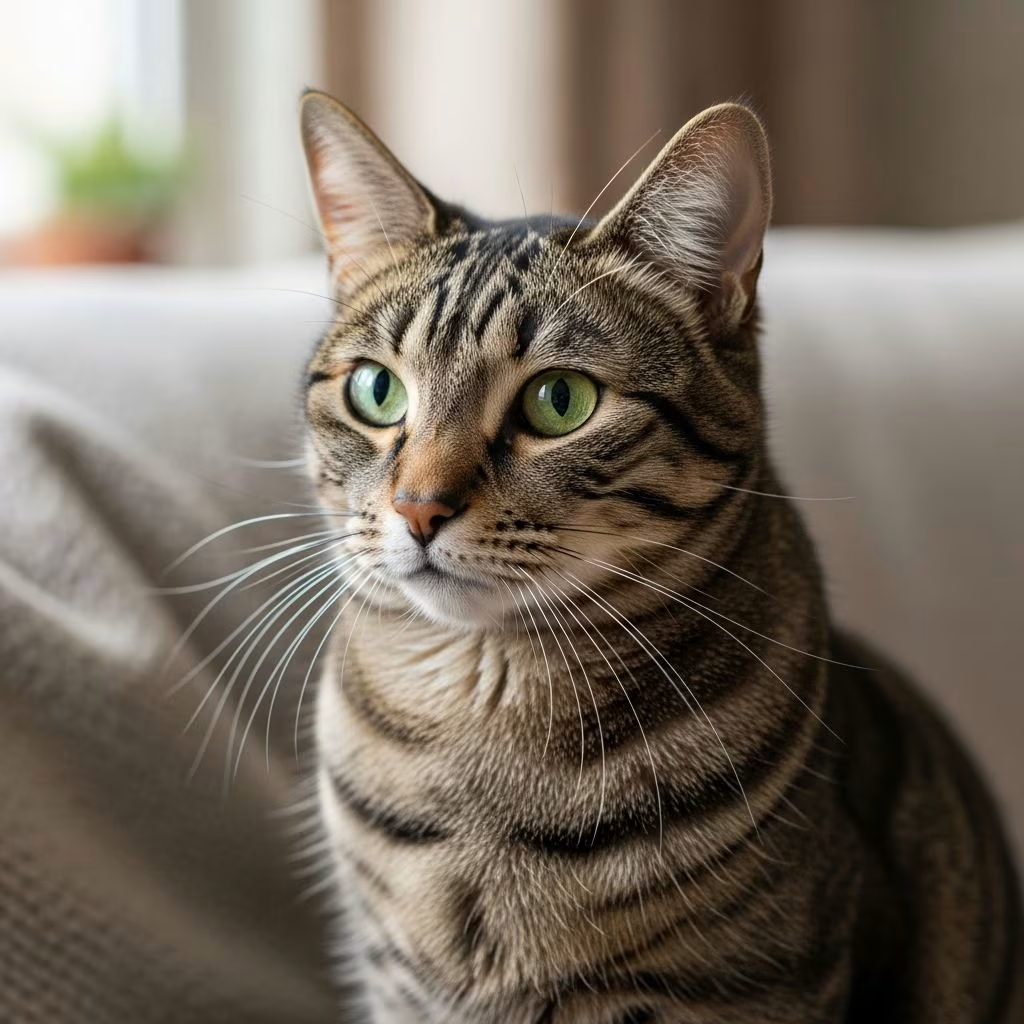
Domestic Shorthair Cats: The Most Popular Feline Companions
Domestic shorthair cats represent the most beloved and commonly owned cat breed across the United States, embodying a perfect blend of charm, adaptability, and affectionate companionship. These remarkable felines have captured the hearts of millions of pet owners, serving as loyal family members in households across the nation. Understanding the unique characteristics, care requirements, and health considerations of domestic shorthair cats is essential for anyone considering bringing one of these wonderful creatures into their home.
History and Origins of Domestic Shorthair Cats
The domestic shorthair cat has a rich and fascinating history that spans thousands of years. Unlike purebred cats that have defined breed standards and documented ancestry, domestic shorthairs have evolved naturally through generations of feline development. These cats are technically classified as mixed-breed felines, as they do not descend from selective breeding programs designed to produce specific physical characteristics or behavioral traits.
Domestic shorthairs emerged from the natural interbreeding of various cat populations throughout human history. Their ancestry likely includes contributions from African wildcats and various domesticated cat populations that developed across different continents and cultures. This diverse genetic background has resulted in the incredible variety of appearances and personalities observed in domestic shorthair cats today.
Throughout history, domestic shorthairs have served crucial roles in human societies, from controlling rodent populations in agricultural settings to providing companionship in homes and businesses. Their practical value and adaptability made them indispensable to communities worldwide, long before cat breeding as a formal practice was established.
Physical Characteristics and Appearance
One of the defining features of domestic shorthair cats is their remarkable diversity in physical appearance. While they share certain common characteristics, each domestic shorthair possesses unique traits that reflect their individual genetic heritage.
Coat and Coloring
Domestic shorthairs display an astounding array of coat colors and patterns. Their short coats are practical and low-maintenance, featuring a dense texture that provides protection from environmental elements. These cats come in numerous color variations, including solid colors such as black, white, orange, and grey, as well as intricate patterns like tabby, calico, tortoiseshell, and bicolor combinations. Some domestic shorthairs display striking markings with stripes, spots, or patches, while others feature solid, uniform coloring. The variety in coat appearance means that no two domestic shorthairs look exactly alike, making each cat truly individual.
Body Structure and Size
Domestic shorthair cats typically display a medium to large body frame with well-developed musculature. They generally weigh between 8 to 12 pounds, though some individuals may be larger or smaller depending on their genetic makeup and overall health. These cats possess athletic builds that reflect their natural hunting heritage, with strong legs, flexible spines, and agile movements that allow them to navigate their environments with grace and precision.
Facial Features
The facial structure of domestic shorthairs varies considerably among individuals. Many display rounded faces with full cheeks, large expressive eyes, and medium-sized ears that sit naturally atop their heads. Eye colors in domestic shorthairs range from green and blue to amber, copper, and gold. Some cats may even display odd-eyes, where each eye presents a different color—a striking and beautiful trait. Their eyes are typically round and forward-facing, giving them excellent binocular vision essential for hunting and play.
Personality and Behavioral Traits
Domestic shorthair cats are known for their diverse and engaging personalities. Unlike purebred cats that may exhibit more predictable behavioral patterns, domestic shorthairs showcase a wide spectrum of temperaments and quirks that make each individual unique.
Intelligence and Adaptability
These cats demonstrate impressive intelligence and problem-solving abilities. Domestic shorthairs quickly learn household routines, understand cause-and-effect relationships, and can be trained to follow commands or use various toys and enrichment devices. Their adaptability to different living situations makes them excellent companions for various households, from apartments to spacious homes.
Social and Affectionate Behavior
Many domestic shorthairs develop strong bonds with their human families. They often seek attention through head bunting, purring, and following their owners around the home. Some cats are lap cats who enjoy hours of cuddling, while others prefer interactive play and mental stimulation. The range of social preferences among domestic shorthairs means that potential owners can often find a cat matching their desired interaction level.
Activity Levels
Domestic shorthairs typically maintain moderate to high activity levels, particularly during their younger years. They enjoy climbing, jumping, and exploring their environment. Many engage in typical cat behaviors such as pouncing on toys, chasing imaginary prey, and investigating new objects. Providing appropriate outlets for these natural instincts through toys, climbing structures, and interactive play is essential for their physical and mental well-being.
Grooming and Coat Care
The short coat of domestic shorthair cats is one of their most practical features, requiring minimal grooming compared to longhaired breeds. However, regular maintenance is still beneficial for overall health and appearance.
Brushing Requirements
Brushing your domestic shorthair 2-3 times per week helps remove loose fur, reduces shedding, and distributes natural oils throughout the coat. This simple grooming practice can significantly minimize hairballs and keep the cat’s coat healthy and shiny. Most domestic shorthairs tolerate brushing well, and many actually enjoy the attention and physical contact.
Nail Trimming
Regular nail trimming every 2-3 weeks prevents overgrowth and reduces the risk of scratches on furniture and skin. Providing scratching posts and pads also encourages natural scratching behavior while protecting your home furnishings.
Ear and Eye Care
Check your cat’s ears weekly for signs of infection or excessive wax buildup. Clean ears gently with a damp cloth if needed. Monitor eyes for any discharge or cloudiness, and consult your veterinarian if you notice any abnormalities.
Nutrition and Feeding Guidelines
Proper nutrition is fundamental to maintaining your domestic shorthair’s health and vitality. These active cats require a well-balanced diet that supports their energy needs and promotes optimal body condition.
Caloric Requirements
The daily caloric needs of a domestic shorthair vary based on age, activity level, and metabolism. Most adult domestic shorthairs require approximately 150-200 calories per day, though this can vary significantly. Monitor your cat’s weight and body condition regularly to ensure they maintain a healthy weight.
Dietary Components
A high-quality diet should include adequate protein, essential fatty acids, vitamins, and minerals. Cats are obligate carnivores, meaning they require protein-rich foods to thrive. Look for cat foods that list meat as the primary ingredient and avoid excessive fillers or by-products. Both wet and dry food options can provide adequate nutrition when they meet your cat’s specific dietary needs.
Feeding Schedule and Portions
Establish a consistent feeding schedule with appropriate portion sizes. Many veterinarians recommend feeding adult cats twice daily to maintain stable energy levels and prevent excessive hunger. Monitor your cat’s daily food portions carefully to prevent obesity, which can lead to serious health complications. Always provide fresh, clean water daily.
Health Considerations and Common Concerns
While domestic shorthairs are generally hardy and healthy cats, they are susceptible to various health conditions. Understanding potential health issues allows for early detection and intervention.
Genetic Health Predispositions
Domestic shorthairs can inherit various genetic health conditions depending on their ancestry. Common health concerns include:
- Urinary tract and kidney disease
- Diabetes mellitus
- Heart disease and cardiac issues
- Arthritis and joint problems
- Thyroid dysfunction
- Respiratory conditions
- Gastrointestinal disorders
Preventive Care
Regular veterinary examinations are crucial for identifying health issues early. Schedule annual wellness visits to monitor your cat’s overall health, update vaccinations, and address any emerging concerns. Discuss appropriate preventive care measures with your veterinarian, including parasite prevention and vaccinations.
Dental Health
Dental disease is prevalent in domestic shorthairs. Regular dental care, including professional cleanings and at-home brushing when possible, helps prevent tartar buildup and gum disease. Address dental problems promptly to prevent pain and systemic health complications.
Lifespan and Longevity
Domestic shorthair cats typically live between 12 to 18 years, with many exceeding this range when provided with proper care, nutrition, and regular veterinary attention. Some domestic shorthairs live well into their 20s. Factors influencing longevity include genetics, diet quality, exercise levels, stress management, and access to preventive healthcare.
Environmental Enrichment and Play
Domestic shorthairs thrive with appropriate environmental enrichment that stimulates their natural instincts and keeps them mentally engaged.
Toys and Interactive Play
Provide a variety of toys that appeal to different play styles, including balls, feather toys, laser pointers, and puzzle toys. Interactive play sessions lasting 10-15 minutes several times daily help maintain physical fitness and provide mental stimulation. Rotate toys regularly to maintain novelty and interest.
Climbing and Vertical Space
Cats naturally enjoy climbing and surveying their territory from high vantage points. Provide cat trees, shelves, and wall-mounted perches that allow your domestic shorthair to climb and rest at various heights. This vertical enrichment provides exercise and satisfies natural behavioral needs.
Window Perches and Outdoor Views
Position comfortable perches near windows where your cat can observe outdoor activity. This “cat television” provides mental stimulation and entertainment, particularly for indoor cats. The changing scenery and movement of birds, squirrels, and other animals offers natural enrichment.
Socialization and Family Integration
Properly socialized domestic shorthairs typically integrate well into family environments. Early exposure to different people, environments, and experiences promotes confident, well-adjusted adult cats. Most domestic shorthairs do well with children and other pets when introduced appropriately and supervised during initial interactions.
Frequently Asked Questions
Q: Are domestic shorthair cats good pets for first-time cat owners?
A: Yes, domestic shorthairs are excellent pets for first-time cat owners. Their adaptability, generally easygoing nature, and minimal grooming requirements make them ideal companions. Their diverse personalities also mean you can find a cat matching your lifestyle and preferences.
Q: How often should I take my domestic shorthair to the veterinarian?
A: Young, healthy domestic shorthairs should visit the veterinarian annually for wellness examinations and vaccinations. Senior cats (over 7 years old) should be seen twice yearly to monitor for age-related health issues and maintain optimal health.
Q: What is the best diet for a domestic shorthair cat?
A: The best diet depends on your individual cat’s age, health status, and any specific medical conditions. High-quality commercial cat foods formulated to meet AAFCO standards generally provide adequate nutrition. Consult your veterinarian for personalized dietary recommendations.
Q: Do domestic shorthairs require special training?
A: Most domestic shorthairs instinctively use litter boxes and require minimal formal training. However, they benefit from early socialization and behavioral guidance to prevent destructive behaviors and encourage positive interactions.
Q: Can domestic shorthairs live outdoors?
A: While domestic shorthairs can survive outdoors, indoor living is generally safer and healthier. Outdoor cats face risks from vehicles, predators, diseases, and parasites. Indoor-outdoor compromise solutions such as catios provide safe outdoor access.
Q: How do I help my domestic shorthair maintain a healthy weight?
A: Monitor daily food portions carefully, provide regular exercise through interactive play, and avoid excessive treats. Work with your veterinarian to establish appropriate caloric intake based on your cat’s individual needs and activity level.
Q: Are domestic shorthairs prone to specific health problems?
A: While generally healthy, domestic shorthairs can develop various conditions including kidney disease, diabetes, heart disease, and arthritis. Regular veterinary care, proper nutrition, and appropriate exercise help prevent or manage these conditions.
References
- American Shorthair – VCA Animal Hospitals — VCA Animal Hospitals. Accessed 2025-11-28. https://vcahospitals.com/know-your-pet/cat-breeds/american-shorthair
- British Shorthair Facts — Wisdom Panel. Accessed 2025-11-28. https://www.wisdompanel.com/en-us/cat-breeds/british-shorthair
- American Shorthair Cat Breed: A Comprehensive Guide — PrettyLitter. Accessed 2025-11-28. https://www.prettylitter.com/blog/american-shorthair-cat-breed-a-comprehensive-guide
- Cat Breed Guide: American Shorthair — Pets Best Insurance. Accessed 2025-11-28. https://www.petsbest.com/blog/breed-guide-american-shorthair
- Colorpoint Shorthair – VCA Animal Hospitals — VCA Animal Hospitals. Accessed 2025-11-28. https://vcahospitals.com/know-your-pet/cat-breeds/colorpoint-shorthair
- 5 Common Cat Breeds & Their Personality Traits — VCA Animal Hospitals. Accessed 2025-11-28. https://vcahospitals.com/shop/home/articles/character-and-quirks-of-the-5-most-common-cat-breeds



