

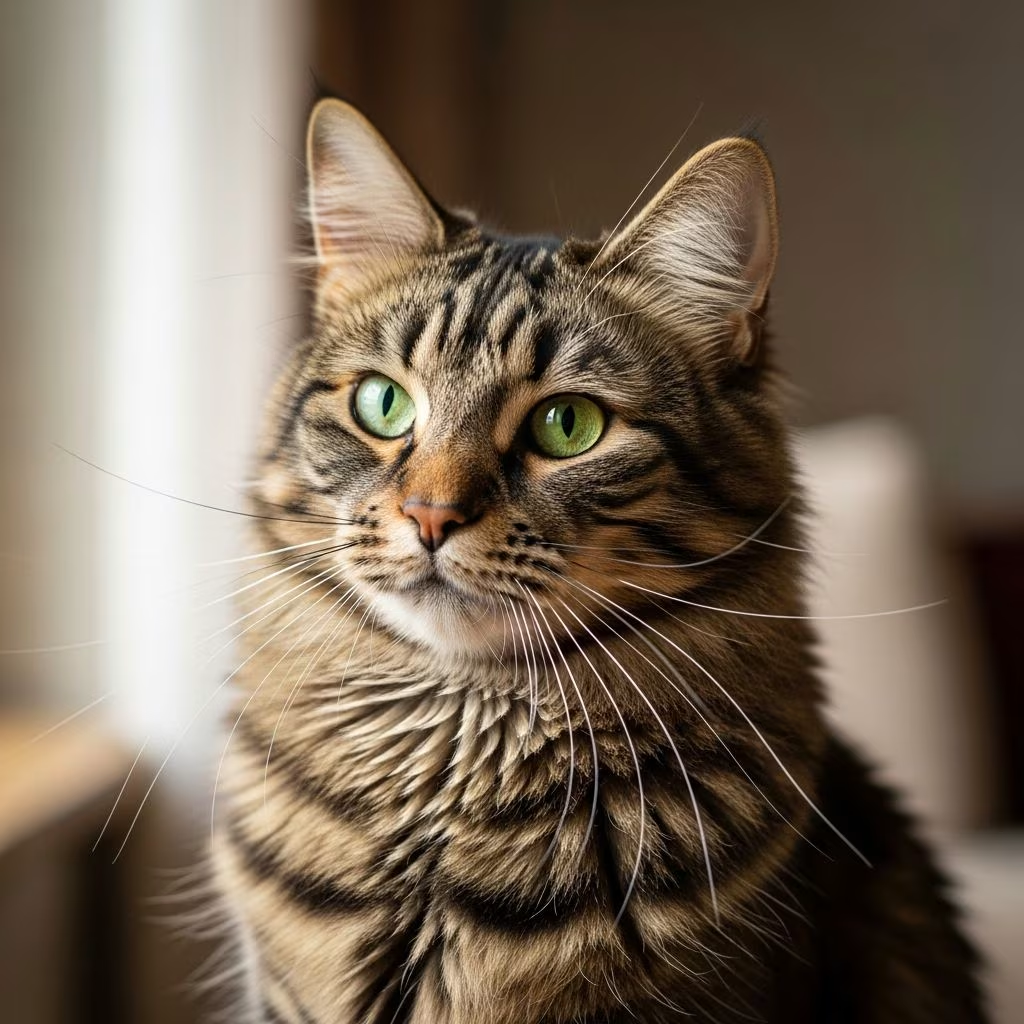
Domestic Medium Hair cats represent one of the most common and beloved types of mixed-breed felines, distinguished primarily by their plush, medium-length double coats that strike a balance between short and long-haired varieties. These cats embody the beauty of genetic diversity, offering a wide array of colors, patterns, and personalities that make each one unique. Unlike purebred cats with standardized traits, Domestic Medium Hairs draw from a broad ancestry, resulting in adaptable pets suited to various lifestyles.
Historical Roots and Origins
The lineage of Domestic Medium Hair cats traces back centuries, with ancestors accompanying early settlers to the Americas. These hardy felines arrived on ships like the Mayflower, valued for their role in controlling rodent populations during long voyages and harsh colonial winters. Over generations, interbreeding among stray and feral cats produced the diverse Domestic Medium Hair population seen today, thriving in shelters and homes worldwide.
This mixed heritage ensures a robust gene pool, minimizing breed-specific vulnerabilities. In regions like North America and Europe, they evolved alongside domestic shorthairs and longhairs, blending traits for survival in varied environments. Their prevalence in animal shelters underscores their status as America’s most adopted cat type, reflecting both popularity and resilience.
Physical Characteristics and Variations
Domestic Medium Hair cats typically measure 9 to 14 inches in height at the shoulder and weigh between 11 and 22 pounds, with males often heavier at 12 to 15 pounds and females lighter at 8 to 12 pounds. Their build varies from slender and athletic to stocky and muscular, influenced by dominant ancestral breeds.
The hallmark feature is the double coat: a dense undercoat topped by longer guard hairs. Fur is shorter along the spine for practicality but fluffs out around the neck into a ruff, belly, and tail, giving a plush appearance without the extremes of longhairs. Common colors include black, white, ginger, gray, tabby, tortoiseshell, smoke, solid, bi-color, tri-color, and tuxedo patterns, often with striking eye colors like green, gold, or blue.
| Trait | Description | Comparison to Related Types |
|---|---|---|
| Coat Length | Medium, double-layered | Shorter than Domestic Longhair; fluffier than Shorthair |
| Weight Range | 11-22 lbs | Males heavier; similar to mixed averages |
| Height | 9-14 inches | Medium build, adaptable |
| Colors/Patterns | All possible | More variety than purebreds |
This table highlights how Domestic Medium Hairs serve as a ‘middle ground’ in feline coat types, easier to maintain than longhairs yet more luxurious than shorthairs.
Temperament and Behavioral Traits
One of the most appealing aspects of Domestic Medium Hair cats is their unpredictable yet generally amiable temperament. Ranging from independent and aloof to outgoing and cuddly, their personalities reflect a mosaic of influences. Many exhibit playfulness, curiosity, and moderate vocalization, making them engaging without being overwhelming.
- Affectionate yet independent: They enjoy lap time but respect personal space.
- Sociable with families: Excellent with children and other pets when socialized early.
- Intelligent and trainable: Quick to learn litter habits, basic commands, and even leash walking with positive reinforcement.
- Adaptable energy levels: From laid-back couch potatoes to active explorers.
These traits make them ideal for first-time owners, as their flexibility matches diverse households—from apartments to farms.
Grooming and Daily Care Essentials
While low-shedding compared to longhairs, Domestic Medium Hairs benefit from weekly brushing to remove loose undercoat and prevent mats, especially during seasonal shedding. Use a slicker brush or comb on the ruff and tail areas. Bathing is rare, but spot-cleaning with wipes suffices for dirt.
Nail trims every 10-14 days, ear cleaning monthly, and dental care via brushing or treats promote hygiene. Provide scratching posts to maintain claw health and furniture safety. Their moderate grooming needs position them as practical choices for busy owners.
Ideal Living Environments and Lifestyle Fit
Versatile Domestic Medium Hairs adapt to indoor-only, indoor-outdoor, or multi-pet homes. They appreciate vertical spaces like cat trees, window perches, and interactive toys for mental stimulation. Enclosed patios or harness walks suit their inquisitive nature without full outdoor risks.
In apartments, puzzle feeders and laser pointers curb boredom; in larger spaces, they explore freely. They tolerate being left alone for workdays if enriched, but thrive with companionship.
Nutrition, Exercise, and Enrichment
Feed high-quality, age-appropriate kibble or wet food, portioned to prevent obesity—a common issue in easygoing adults. Aim for 200-300 calories daily, adjusted for activity. Fresh water and occasional treats support urinary health.
Daily play sessions (15-30 minutes) with wand toys, balls, or chasers fulfill their moderate exercise needs. Climbing gyms and hiding spots enhance well-being, reducing stress-related behaviors.
Health Considerations and Lifespan
Boasting a typical lifespan of 15-20 years, Domestic Medium Hairs enjoy hybrid vigor from diverse genes, dodging purebred ailments. Monitor for obesity, diabetes, dental disease, and joint issues in seniors. Annual vet checkups, vaccinations, and parasite prevention are key.
Spay/neuter around 4-6 months aids health and behavior. Their resilience means fewer hereditary concerns, though watchful care extends vitality.
Training Tips for Success
Smart and responsive, these cats excel in clicker training for sits, comes, and tricks. Start young with rewards like treats or praise. Litter training is instinctive, but consistency resolves accidents. Harness training opens safe outdoor adventures.
Why Choose a Domestic Medium Hair?
Adopting a Domestic Medium Hair from a shelter supports population control while gaining a loyal, low-fuss friend. Their affordability, adaptability, and charm outshine pedigreed alternatives for most.
Frequently Asked Questions (FAQs)
Are Domestic Medium Hair cats hypoallergenic?
No, but lower shedding than longhairs may suit some allergy sufferers; test exposure first.
How often should I groom my Domestic Medium Hair cat?
Weekly brushing; more during sheds.
Do they get along with dogs?
Yes, with proper introductions; their easygoing nature helps.
What’s the average cost of ownership?
Initial adoption $50-150; annual care $500-1000 including food/vet.
Can they be indoor-only pets?
Absolutely; enrich with toys and perches.
References
- Domestic Medium Hair: Personality, Care, and More — ASPCA Pet Insurance. 2023. https://www.aspcapetinsurance.com/resources/domestic-medium-hair/
- Domestic Medium Hair Cat: Info, Pictures, Facts & Traits — Catster. 2023. https://www.catster.com/cat-breeds/domestic-medium-hair-cat/
- Domestic Medium Hair Cat Breed & Adoption Information — Petfinder. 2024. https://www.petfinder.com/cats-and-kittens/breeds/domestic-medium-hair/
- Medium Domesticated Cat: A Guide to Owning Medium-Haired Cats — WoPet. 2023. https://wopet.com/cats/medium-domesticated-cat/
- Domestic Medium Hair Cat Insurance & Information — Vets Choice by Guild Insurance. 2024. https://vetschoice.guildinsurance.com.au/cats/cat-breeds/domestic-medium-hair



