

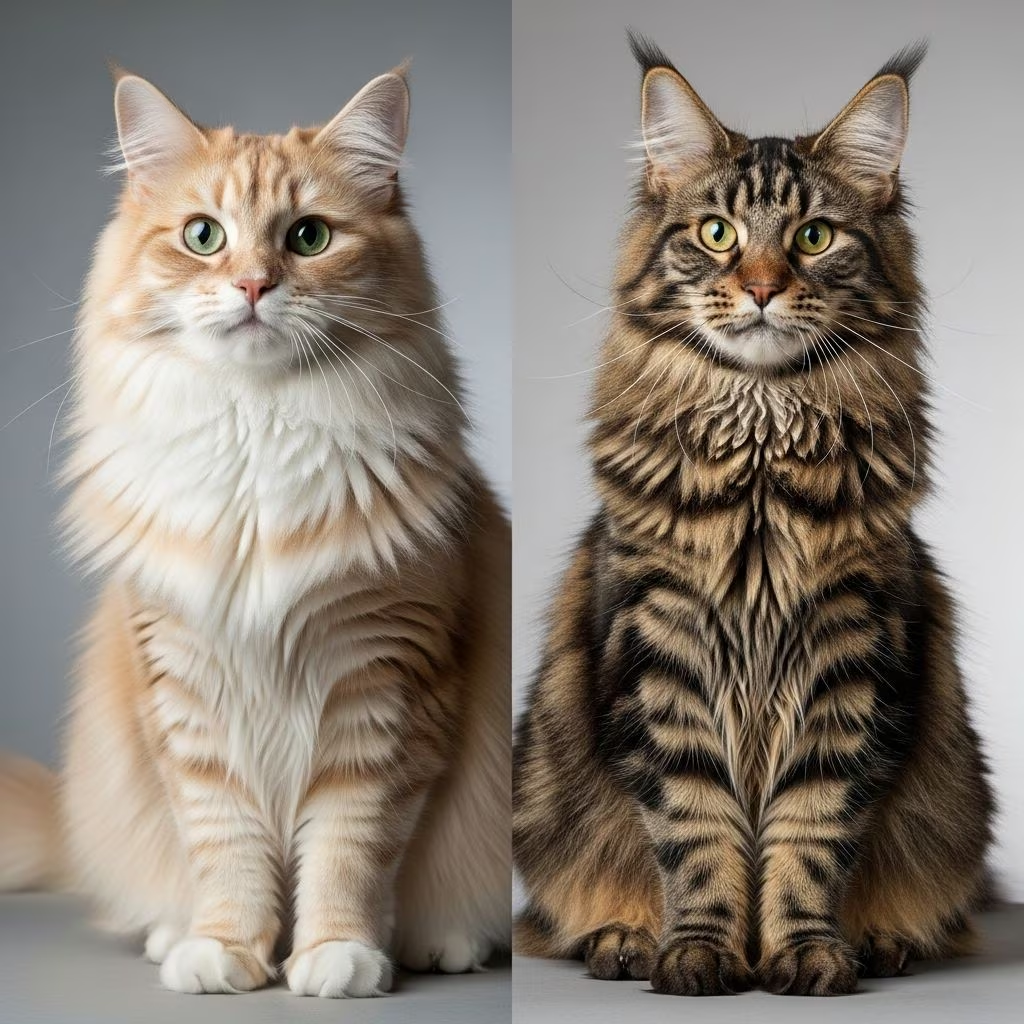
Both the Domestic Longhair and Maine Coon captivate cat enthusiasts with their luxurious coats and charming presence, but they differ significantly in pedigree, build, and lifestyle needs. This guide breaks down their unique qualities to help you decide between these fluffy favorites.
Understanding the Domestic Longhair
The Domestic Longhair represents a diverse group of mixed-breed cats featuring lengthy fur, often found in shelters or random litters worldwide. Unlike pedigreed varieties, these cats arise from natural genetic mixes, resulting in varied appearances and behaviors that make each one distinctive.
Physical Traits and Variations
Typically weighing 8 to 15 pounds, Domestic Longhairs possess a medium frame enhanced by their plush, flowing coat that covers the body evenly. Fur length remains consistent across the torso, legs, and tail, demanding regular brushing to avoid mats. Eye colors range from vivid yellows and blues to deep browns, set in faces that may appear rounded or angular depending on ancestry. Height hovers around 11 to 12 inches at the shoulder, giving them a compact yet elegant silhouette.
Temperament and Daily Interactions
Personalities span a broad spectrum due to their non-standardized breeding; some are outgoing explorers, while others prefer quiet observation. Generally affectionate without clinginess, they adapt well to solo time, meowing occasionally for attention or meals. Playfulness emerges in bursts, making them suitable for moderate activity levels in homes of all sizes.
Care Essentials for Optimal Health
Grooming sessions twice weekly suffice to maintain coat health, paired with 15 to 20 minutes of daily play to prevent obesity. A high-protein diet supports vitality, while common issues like urinary concerns or dental problems benefit from routine veterinary checkups. Their hybrid vigor often leads to lifespans of 10 to 17 years.
Exploring the Maine Coon Breed
Originating from the rugged landscapes of Maine, USA, the Maine Coon stands as a recognized purebred known for its imposing stature and rugged adaptability. Developed naturally over centuries, this breed embodies resilience and gentleness in equal measure.
Impressive Build and Coat Features
Maine Coons dwarf many felines, with males reaching 15 to 25 pounds or more and heights of 10 to 16 inches. Their muscular bodies support a shaggy, water-repellent double coat longest around the chest ruff, belly, and bushy tail. Distinctive tufted ears and large, expressive eyes outlined in dark liner add to their wild, lynx-like allure. Colors span 85 variations, from solids to intricate tabbies.
Personality: The Gentle Giant
Famed for dog-like devotion, Maine Coons greet owners enthusiastically, follow them room-to-room, and relish interactive play. Their sociable nature extends to children and other pets, though their hunting prowess shines outdoors, often presenting ‘gifts’ like caught prey. Despite size, they remain non-aggressive and trainable with patience.
Health Management and Longevity
Expect high grooming demands due to dense fur, alongside 15 to 20 minutes of exercise to channel energy. Purebred status introduces risks like hip dysplasia or hypertrophic cardiomyopathy, necessitating genetic screening from reputable breeders. Lifespans average 9 to 15 years with diligent care.FDA on cat health
Side-by-Side Comparison
To highlight contrasts, consider these core attributes:
| Attribute | Domestic Longhair | Maine Coon |
|---|---|---|
| Weight Range | 8–15 lbs | 15–25+ lbs |
| Coat Texture | Evenly long, fluffy | Shaggy with ruff and tufts |
| Temperament | Variable: independent to playful | Sociable, dog-like loyalty |
| Grooming | Moderate (2x/week) | High (daily brushing) |
| Cost | Shelter adoption: low/no cost | $400–$2,000 from breeder |
| Lifespan | 10–17 years | 9–15 years |
This table underscores the Maine Coon’s premium scale versus the Domestic Longhair’s everyday accessibility.
Grooming and Maintenance Needs
- Domestic Longhair: Weekly combing prevents tangles; focus on underbelly and tail base. Nail trims biweekly, baths rare unless soiled.
- Maine Coon: Daily sessions essential for ruff and pants; ear tufts need gentle plucking. Shedding peaks seasonally, requiring vacuuming.
Both thrive on dental hygiene routines and litter training from kittenhood.
Health Profiles and Predispositions
Domestic Longhairs benefit from genetic diversity, dodging breed-specific woes but facing universal threats like obesity or hyperthyroidism. Maine Coons require HCM testing, with larger frames prone to joint strain. Annual vet visits, balanced nutrition, and parasite prevention ensure longevity for either.AVMA cat care guidelines
Lifestyle Compatibility Factors
Domestic Longhairs fit apartments seamlessly with low-maintenance vibes, ideal for busy singles or seniors. Maine Coons demand space for their acrobatics, excelling in family homes with yards for supervised adventures. Both tolerate other animals if socialized early.
Acquiring Your Cat: Options and Tips
Adopt Domestic Longhairs from shelters for immediate joy and lower expense. For Maine Coons, seek CFA-registered breeders verifying health clearances. Kittens need early handling; adults offer known temperaments.
Training and Enrichment Strategies
Harness clicker methods for litter, leash-walking, or tricks. Puzzle feeders engage intellect, while vertical climbers satisfy climbing urges—Maine Coons particularly love heights.
Nutrition Guidelines Tailored to Each
Prioritize wet foods for hydration; Domestic Longhairs need portion control, Maine Coons calorie-dense formulas for muscle maintenance. Supplements like omega-3s bolster coat shine.
Frequently Asked Questions
Can a Domestic Longhair look like a Maine Coon?
Yes, shared longhair genes create similarities, but lacking pedigree and specific traits like ear tufts distinguishes them.
Which is better for families with kids?
Maine Coons’ patient, playful demeanor edges them out, though friendly Domestic Longhairs work well too.
How much daily exercise do they need?
Both require 15–20 minutes of interactive play to stay fit and mentally sharp.
Are Maine Coons hypoallergenic?
No, neither breed is; their dense fur sheds profusely.
What’s the average cost of ownership yearly?
Expect $500–$1,000 covering food, vet care, and grooming supplies for both.
Final Thoughts on Choosing Between Them
Opt for Domestic Longhair if versatility and ease appeal; choose Maine Coon for a bold, bonded companion. Either brings fur-filled delight to your home.
References
- Cat Care Guidelines — American Veterinary Medical Association. 2024-06-15. https://www.avma.org/resources-tools/pet-owners/petcare/cat-care-general
- Facts About Feline Infectious Peritonitis — U.S. Food and Drug Administration. 2023-11-20. https://www.fda.gov/animal-veterinary/animal-health-literacy/facts-about-feline-infectious-peritonitis
- Maine Coon Breed Standard — Cat Fanciers’ Association. 2025-01-10. https://cfa.org/breeds/maine-coon/
- Genetic Diversity in Domestic Cats — Cornell University College of Veterinary Medicine. 2024-03-05. https://www.vet.cornell.edu/departments-centers-and-institutes/cornell-feline-health-center/health-information/feline-health-topics/genetic-diversity-domestic-cats
- Hypertrophic Cardiomyopathy in Cats — Winn Feline Foundation. 2024-09-12. https://winnfelinefoundation.org/education/cat-health-news-blog/details/cat-health-news-from-the-winn-feline-foundation/2024/09/12/hypertrophic-cardiomyopathy-in-cats



