

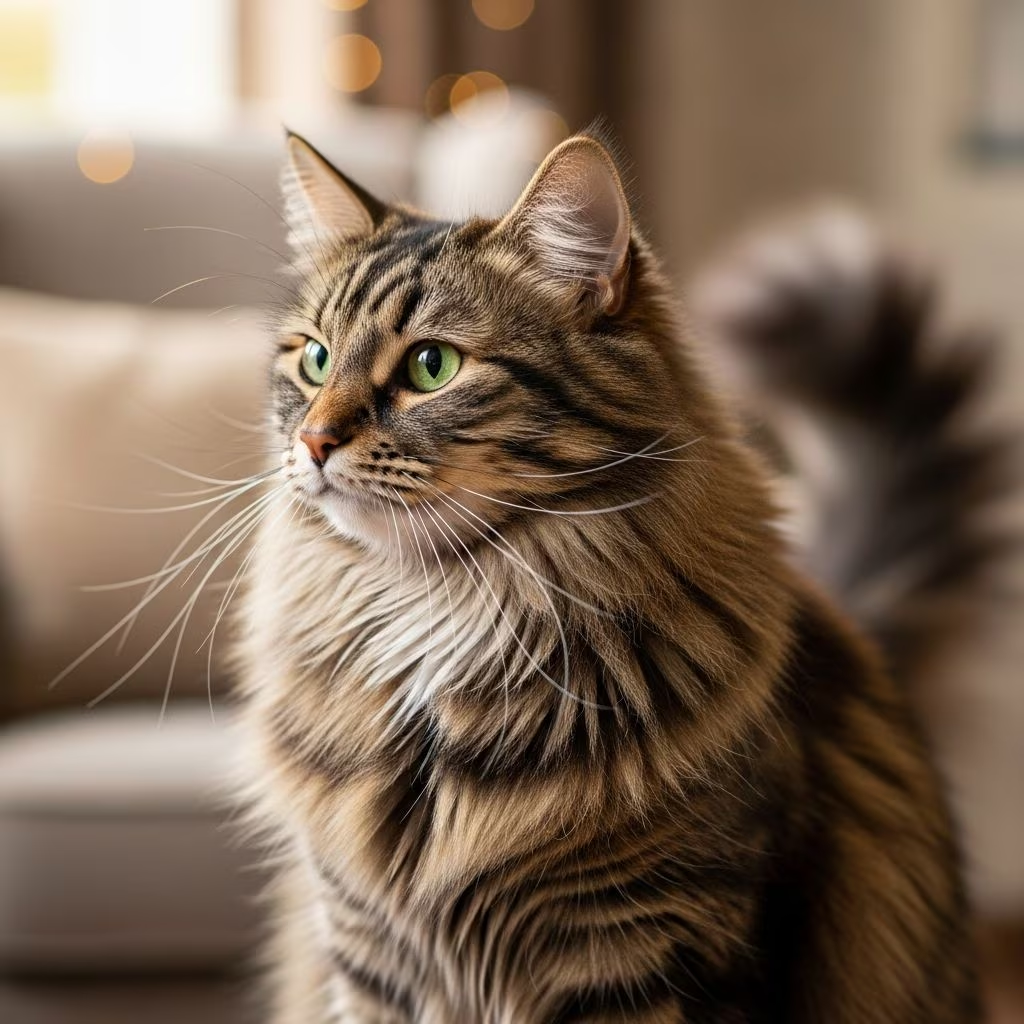
Domestic Longhair cats represent one of the most common and beloved mixed-breed felines, distinguished by their luxurious long coats and diverse appearances. These adaptable companions thrive in various households, offering loyalty, intelligence, and a natural hunting prowess passed down through generations.
Historical Background and Evolution
The Domestic Longhair cat emerged not from selective breeding programs but through natural genetic variations over centuries. Originating likely from regions in northern Asia or Europe, these cats accompanied humans as they migrated, proving invaluable in controlling vermin populations and preventing disease spread, such as during historical plagues.
The long-haired trait stems from specific genetic mutations in the fibroblast growth factor 5 (FGF5) gene, with four known variants responsible for elongated fur in domestic cats. One mutation, known as M4, appears across all long-haired mixed breeds, contributing to the fluffy double coats seen today.
Unlike purebreds with documented pedigrees, Domestic Longhairs developed through random interbreeding, resulting in a robust population second only to Domestic Shorthairs in popularity, particularly in places like the UK. Their prevalence reflects the recessive nature of the longhair gene compared to the dominant shorthair allele.
Physical Appearance and Variations
Domestic Longhairs exhibit remarkable diversity in size, build, and coat patterns due to their mixed ancestry. Typically, they possess a medium to large frame, with bodies measuring up to 18 inches in length (excluding the tail, which adds another 12 inches) and weights ranging from 8 to 15 pounds, though some reach 4.5 to 7.5 kg depending on regional influences.
The hallmark feature is the long, fluffy coat, often a double layer with a dense undercoat and coarser guard hairs. Coat lengths vary, but all require more maintenance than shorthairs. Colors span solids like black, white, gray, orange, and brown, to complex patterns including tabby, calico, tortoiseshell, tuxedo, and bicolor combinations. Regional preferences influence patterns; for instance, pointed markings resembling Siamese appear more in Asian Domestic Longhairs.
| Common Coat Patterns | Description | Examples |
|---|---|---|
| Tabby | Striped or spotted with banded hairs | Brown tabby, silver tabby |
| Calico | White base with orange and black patches | Classic tricolor |
| Tortoiseshell | Intermingled orange and black without white | “Tortie” mottling |
| Tuxedo | Black body with white chest, paws, and face | Formal wear look |
| Solid | Uniform color throughout | Black, white, gray |
Builds differ too: British varieties tend toward stockier bodies from interbreeding with chunkier local breeds, while American ones may appear sleeker. Eyes range from green and gold to blue and odd-eyed in some patterns.
Temperament and Behavioral Traits
With no standardized breeding, each Domestic Longhair boasts a unique personality, ranging from outgoing and playful to reserved and independent. Generally, they balance affection with autonomy, forming deep bonds with families while cherishing solo time.
Many display high intelligence, curiosity, and a strong prey drive, excelling as natural mousers—a skill honed over millennia of self-sufficiency. They adapt well to apartments or homes with yards, often coexisting peacefully with other cats or pets. Some crave lap time and cuddles, others observe from afar, purring contentedly.
- Affectionate yet independent: Bonds closely but respects personal space.
- Playful hunters: High energy for chasing toys, mimicking wild instincts.
- Adaptable: Thrives in varied environments, from city flats to rural settings.
- Social flexibility: Friendly with strangers, children, and fellow felines in many cases.
- Quiet communicators: Vocalizes through meows, chirps, or trills rather than constant yowling.
Energy levels vary; energetic ones perform acrobatic feats, while laid-back individuals prefer relaxed evenings. Early socialization enhances confidence, turning potentially shy cats into bold explorers.
Grooming and Maintenance Essentials
The lush coat demands regular care to prevent matting and reduce shedding, which is moderate to high year-round, peaking seasonally. Daily brushing with a slicker or pin brush distributes oils, removes loose fur, and fosters bonding.
Bathe only when necessary using cat-specific shampoos, as most self-groom effectively. Check ears weekly for wax buildup, trim nails biweekly, and provide dental care via brushing or treats to combat tartar. Litter box hygiene is crucial given their fastidious nature.
- Brush daily, focusing on underbelly and tail base.
- Comb out tangles gently to avoid skin irritation.
- Monitor for hairballs; offer malt paste if needed.
- Seasonal baths for heavy shedders.
- Professional grooming quarterly for dense coats.
Environmental enrichment like scratching posts and climbing trees supports claw health and instinctual behaviors.
Health Profile and Longevity
Hybrid vigor grants Domestic Longhairs superior health compared to many purebreds, with lifespans averaging 12-20 years, some reaching beyond. They dodge breed-specific issues like polycystic kidney disease in Persians or hypertrophic cardiomyopathy in Maine Coons.
Common concerns include obesity from overfeeding, dental disease, and hairball issues due to grooming. Annual vet checkups, balanced diet, and exercise mitigate risks. Vaccinations, parasite prevention, and spaying/neutering are standard.
Nutritionally, high-quality food matching life stage prevents urinary issues; wet food aids hydration in longhairs prone to concentrated urine.
Nutrition and Daily Care Routines
Feed age-appropriate, AAFCO-approved kibble or wet food portioned to maintain ideal weight—about 20-30 calories per pound daily, split into meals. Fresh water always; fountains encourage drinking.
Exercise via interactive toys channels hunting drives, preventing boredom-induced behaviors like scratching furniture. Safe outdoor access via harness or enclosures protects from predators while satisfying curiosity.
Ideal Homes and Lifestyle Compatibility
Suited for loving families, singles, or multi-pet homes, they excel with owners committing to grooming time. Not ideal for neglectful environments or those allergic to moderate shedding.
Multi-cat households benefit from their sociable tendencies; children appreciate their patience if supervised.
Frequently Asked Questions (FAQs)
Are Domestic Longhair cats hypoallergenic?
No, their double coats produce dander and shed moderately, though regular grooming helps.
How often should I groom a Domestic Longhair?
Daily brushing is recommended, with more during shedding seasons.
Do they get along with dogs?
Many do, especially with proper introductions, thanks to adaptable natures.
What’s the average cost of owning one?
Adoption fees $50-200; annual costs $500-1000 for food, litter, vet care.
Can they live indoors only?
Yes, they adapt well with enrichment to satisfy instincts.
References
- Domestic Longhair Cat – Lifespan, Personality, Grooming & More — Litter-Robot. 2023. https://www.litter-robot.com/blog/domestic-longhair-cat/
- Domestic Longhair Cat Breed: Info, Pictures, Temperament & Traits — Catster. 2023. https://www.catster.com/cat-breeds/domestic-longhair-cat/
- Domestic Long Hair Cat: Types & Personality of Long-Haired Cats — Embrace Pet Insurance. 2023. https://www.embracepetinsurance.com/waterbowl/article/domestic-long-hair-cat-types-personality
- Domestic Longhair Cat Breed Guide — Scrumbles. 2023. https://scrumbles.co.uk/blogs/news/domestic-longhair-cat-breed-guide
- Domestic Longhair: Cat Breeds | Breed Information — Mad Paws. 2023. https://www.madpaws.com.au/blog/domestic-longhair/
- Domestic Long Hair — VCA Animal Hospitals. 2023. https://vcahospitals.com/know-your-pet/cat-breeds/domestic-long-hair



