

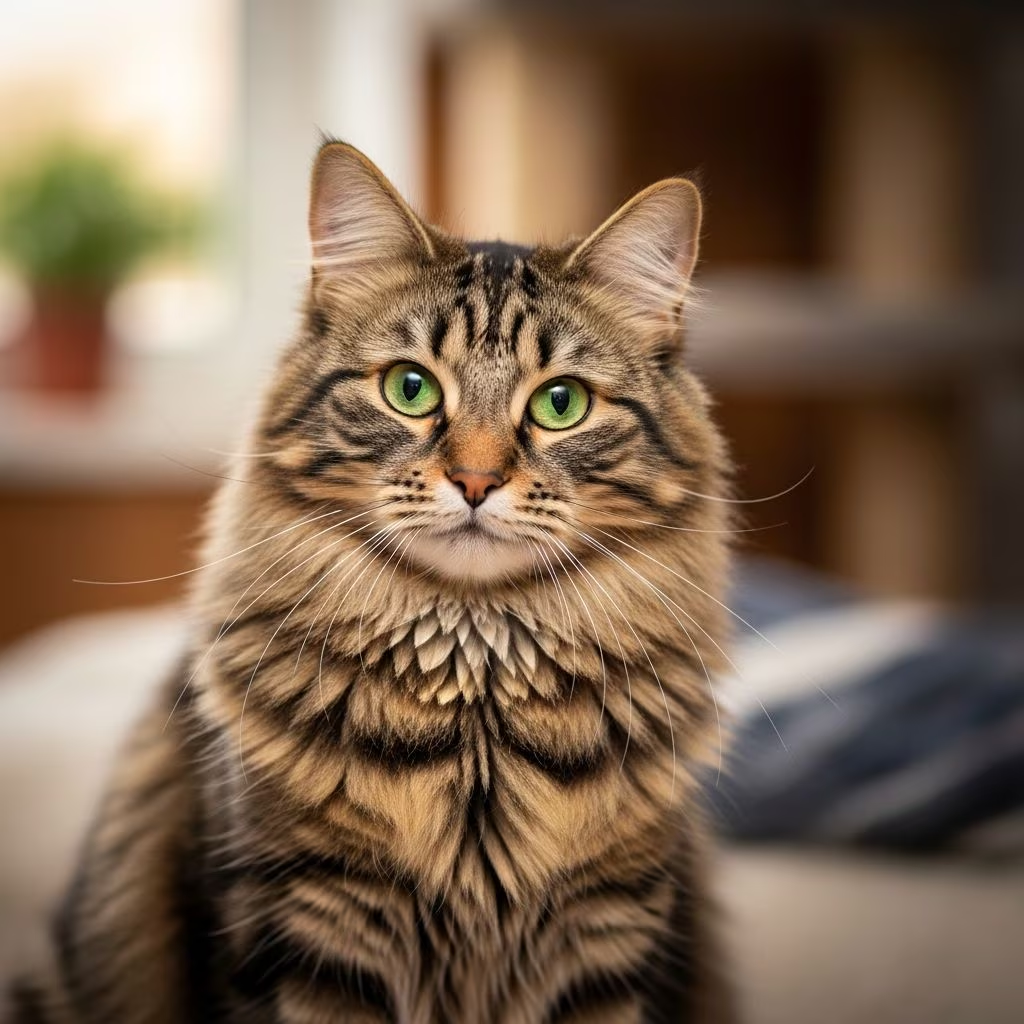
Among the most beloved and common household cats, the domestic longhair represents one of nature’s most interesting feline creations. Unlike their pedigreed counterparts, these cats emerged not through intentional selective breeding programs but rather through countless generations of natural reproduction. Their long, luxurious coats and diverse genetic backgrounds make them fascinating subjects worthy of deeper exploration. Whether you’re considering adopting a domestic longhair or already share your home with one, understanding their unique characteristics, needs, and personalities can significantly enhance your relationship with these wonderful animals.
The Origins and Genetic Heritage of Long-Haired Felines
The story of how domestic longhair cats came to exist is rooted in both natural selection and geographical happenstance. Scientists believe that the recessive gene responsible for long hair was naturally selected within cat populations residing in colder climates, particularly in northern regions of Russia, Iran, and Turkey. These environmental pressures favored the development of longer, thicker coats as a survival mechanism against harsh winters and temperature extremes.
From a genetic perspective, the long-haired coat trait is particularly fascinating. Research has identified four possible mutations capable of producing long hair in domestic cats, all originating from the same gene. Three of these mutations appear to be breed-specific, while the fourth—known as the M4 gene mutation—is present across all long-haired cat varieties and their crossbreeds. This genetic diversity explains why domestic longhairs display such remarkable variation in appearance despite sharing the common trait of extended fur.
It’s important to note that domestic longhairs are technically not recognized as an official breed by major cat associations, including the Cat Fanciers Association. They represent a category of cats defined primarily by their coat length rather than selective breeding standards. This distinction is crucial because it means domestic longhairs possess incredibly diverse genetic material drawn from countless ancestry lines.
Physical Characteristics and Appearance Variations
One of the most striking features of domestic longhair cats is their extraordinary variety in appearance. Because they descend from mixed and uncontrolled breeding backgrounds, virtually no two domestic longhairs look identical, making each individual cat a unique expression of feline diversity.
Coat and Coloration
The defining feature of these cats is, unsurprisingly, their long, flowing coat. Typically ranging from two to six inches in length, the fur creates an elegant and striking appearance. Many domestic longhairs also sport distinctive features such as decorative neck ruffs, ear tufts, and tufts on the pads of their paws. These paw tufts likely represent evolutionary remnants from ancestors adapted to cold climates or desert environments, potentially functioning as natural insulation or traction aids on challenging terrain.
When it comes to coloration, domestic longhairs truly showcase nature’s palette. They appear in virtually every possible color and pattern combination imaginable, including black, white, tan, tabby, tortoiseshell, calico, and ginger variations. Interestingly, the coat coloring often reflects the geographic region where individual cats live and breed, with local cat breed popularity influencing the prevalence of certain color patterns in different areas. For example, regions where Siamese cats are popular tend to have more domestic longhairs displaying pointed coloration with darker extremities and lighter bodies.
Body Structure and Size
The physical build of domestic longhair cats varies considerably depending on their specific genetic heritage. Their faces may be elongated or shortened, and their bodies can range from muscular to sleek. This variability means that two domestic longhairs from the same household might look quite different in overall structure and conformation.
Regarding size, these cats typically fall within moderate ranges. The average domestic longhair weighs between 8 to 15 pounds, depending on sex and individual genetics. Their body length typically measures around 18 inches, with tails extending approximately 12 inches. However, regional variations exist in size; British domestic longhairs, for instance, tend to be stockier and more substantial than their American counterparts, a difference attributed to historical breeding patterns with chunkier British cat breeds.
Personality and Behavioral Characteristics
Perhaps even more diverse than their physical appearance is the range of personalities found within the domestic longhair population. Because these cats were never bred to exhibit specific temperamental traits, their personalities remain wonderfully unpredictable and individual.
Temperament Spectrum
Domestic longhairs display an incredibly broad spectrum of temperamental possibilities. Some individuals are notably outgoing, friendly, and playful, thriving on human interaction and actively seeking attention. These cats might spend hours entertaining their owners with acrobatic antics and enthusiastic play sessions. Conversely, other domestic longhairs are considerably shy and reserved, preferring to observe their environment from comfortable distances rather than constantly engaging with people. Still others display independent or aloof tendencies, showing affection on their own terms and schedules.
What makes understanding domestic longhair personalities particularly challenging is that their moods and behavioral preferences don’t follow predictable patterns. Some individuals are quite affectionate and love nothing more than physical contact and snuggling, while others prefer to demonstrate their appreciation from the far end of a sofa. The environment and individual experiences significantly influence whether a naturally shy domestic longhair develops confidence in the right household setting.
Hunting Instincts and Prey Drive
Virtually all domestic longhairs share one behavioral trait: a robust hunting drive. This characteristic reflects thousands of years of feline ancestors who depended on successful hunting for survival. Even well-fed domestic longhairs retain highly developed hunting skills and the motivation to use them. Owners should be aware that domestic longhairs have earned their reputation as exceptional mousers throughout centuries of proven hunting ability. This prey drive means that outdoor or indoor environments with small animals require careful consideration to protect vulnerable wildlife.
Communication and Social Interaction
Many domestic longhairs develop charming communication habits with their preferred people. These cats may be quite vocal, “capable of carrying on a conversation” with their favorite humans through meows, chirps, and various vocalizations. This communicative tendency suggests that domestic longhairs often form meaningful bonds with their owners and enjoy interactive relationships.
Health Considerations and Longevity
One significant advantage of domestic longhair cats relates to their overall health profile. Their mixed genetic heritage provides substantial protection against many inherited health conditions that plague pedigreed cat breeds.
Genetic Health Advantages
The varied gene pool characteristic of domestic longhairs means these cats typically enjoy healthy, long lives, often reaching 15 to 20 years of age, with some individuals living to 20 years or beyond. This longevity partly results from their genetic diversity. Unlike pedigreed cats, which may be predisposed to breed-specific genetic conditions, domestic longhairs are not susceptible to many hereditary disorders. For instance, they do not typically develop polycystic kidney disease, which commonly affects Persian cats, or feline hypertrophic cardiomyopathy, found in Maine Coons, Persians, Ragdolls, and Sphynx cats.
The absence of intentional breeding for specific traits means domestic longhairs avoid many of the health vulnerabilities inadvertently created through selective breeding practices. Their hardy and resilient nature, attributed to their mixed-breed heritage, generally results in fewer health issues overall.
Routine Care and Veterinary Needs
While domestic longhairs benefit from genetic diversity and general hardiness, they still require regular veterinary care, appropriate nutrition, and preventive health measures. Annual wellness examinations help identify any emerging health concerns early. Vaccinations, parasite prevention, and dental care remain essential components of responsible domestic longhair ownership.
Grooming Requirements and Coat Maintenance
Prospective domestic longhair owners must understand that the beautiful long coat requires consistent grooming attention. This is perhaps the most significant ongoing care requirement for these cats.
Weekly Grooming Essential
The thick, long coat of a domestic longhair necessitates weekly brushing to maintain its smooth, silky condition. Without regular grooming, the fur can become matted and tangled, causing discomfort and potential skin issues. Regular brushing serves multiple purposes: it removes loose hair, distributes natural oils throughout the coat, prevents matting, and provides an opportunity to inspect the skin for any abnormalities.
Shedding Considerations
Domestic longhairs shed moderately to heavily, particularly during seasonal transitions. Their long hair means that shedding can be quite noticeable throughout the home. Prospective owners should be prepared for regular vacuuming, furniture lint rolling, and increased hair management compared to short-haired cats.
Grooming Supplies and Techniques
Effective grooming of domestic longhairs requires appropriate tools, including slicker brushes, metal combs, and possibly mat-removal tools for stubborn tangles. Many owners find that establishing a regular grooming routine—ideally several times per week—prevents major matting issues and keeps grooming sessions manageable. Some domestic longhairs enjoy grooming sessions as bonding time, while others may be less enthusiastic, so patience and positive reinforcement help make grooming a pleasant experience.
Ideal Home Environment and Ownership Considerations
Understanding what type of living situation and ownership style suits a domestic longhair cat requires acknowledging their incredible individual variation.
Owner Requirements
The ideal domestic longhair owner is someone committed to daily grooming, comfortable with significant shedding, and capable of providing an environment suited to the specific cat’s personality needs. These cats thrive with owners who can spend quality time on coat maintenance and who appreciate feline independence. They’re not optimal choices for individuals with limited time for grooming or severe allergies to cat hair.
Living Situations
Domestic longhairs adapt well to various living arrangements—from apartments to houses with yards—depending on individual temperament and owner preferences. Some individuals enjoy outdoor access and exploring, while others are perfectly content as indoor companions. Their adaptability reflects their lack of breeding for specific environmental requirements.
Household Compatibility
Because domestic longhairs display such varied personalities and prey drives, household compatibility must be assessed on an individual basis. Some domestic longhairs coexist peacefully with other cats and pets, while others prefer to be solo animals. Their hunting instincts mean that households with small animals require careful consideration.
Distinguishing Domestic Longhairs from Related Coat Types
The domestic longhair exists within a spectrum of related domestic cat coat categories, each with distinct characteristics.
| Coat Type | Characteristics | Coat Length |
|---|---|---|
| Domestic Longhair | Long, fluffy coat with varied colors and patterns; mixed genetic heritage | 2-6 inches |
| Domestic Medium Hair | Thick, double-coated fur intermediate in length between short and long varieties | 1-2 inches |
| Domestic Shorthair | Short, sleek fur; most common domestic cat type; some resemble American Shorthair breed | Less than 1 inch |
Domestic shorthairs significantly outnumber their longhair cousins because the gene for short hair is more genetically dominant than the recessive long-hair gene. This explains why domestic longhairs represent the second most popular cat variety in many regions, behind domestic shorthairs.
Frequently Asked Questions About Domestic Longhair Cats
How long do domestic longhair cats typically live?
Domestic longhair cats generally live between 15 to 20 years, with some individuals reaching 20 years or beyond. Their mixed genetic background typically contributes to good health and longevity.
What is the average weight and size of a domestic longhair cat?
Most domestic longhairs weigh between 8 to 15 pounds and measure approximately 18 inches in body length with tails extending about 12 inches. However, individual variation exists based on genetic heritage and regional factors.
Do domestic longhair cats require special care?
While domestic longhairs are generally hardy cats, their primary special care requirement is regular grooming—ideally weekly brushing—to maintain their long coat and prevent matting.
Are domestic longhair cats good indoor pets?
Yes, many domestic longhairs adapt well to indoor living. However, their strong hunting drive means they may prey on small household animals, and individual personalities vary, so compatibility should be assessed per cat.
What colors do domestic longhair cats come in?
Domestic longhairs appear in virtually every possible color and pattern, including black, white, tan, tabby, tortoiseshell, calico, and ginger variations.
Conclusion: Celebrating the Unique Appeal of Domestic Longhairs
Domestic longhair cats represent one of the most rewarding choices for cat lovers seeking unique, individually expressive companions. Their beautiful long coats, diverse appearances, varied personalities, and generally excellent health make them exceptional household animals. While they require commitment to regular grooming and understanding of their sometimes-unpredictable temperaments, the opportunity to share life with such genetically diverse and independent creatures offers deep satisfaction. For those willing to embrace the individual quirks and characteristics of their specific domestic longhair, these cats deliver companionship, entertainment, and affection in endlessly surprising ways.
References
- Domestic Longhair Cat Breed: Info, Pictures, Temperament & Traits — Catster. Accessed January 2026. https://www.catster.com/cat-breeds/domestic-longhair-cat/
- Domestic Longhair Cat Facts — ASPCA Pet Health Insurance. Accessed January 2026. https://www.aspcapetinsurance.com/resources/domestic-longhair-cat-facts/
- Domestic Longhair Cat Breed Guide — Scrumbles. Accessed January 2026. https://scrumbles.co.uk/blogs/news/domestic-longhair-cat-breed-guide
- Domestic Longhair: Cat Breeds | Breed Information — Mad Paws. Accessed January 2026. https://www.madpaws.com.au/blog/domestic-longhair/
- Domestic Long Hair — VCA Animal Hospitals. Accessed January 2026. https://vcahospitals.com/know-your-pet/cat-breeds/domestic-long-hair



