

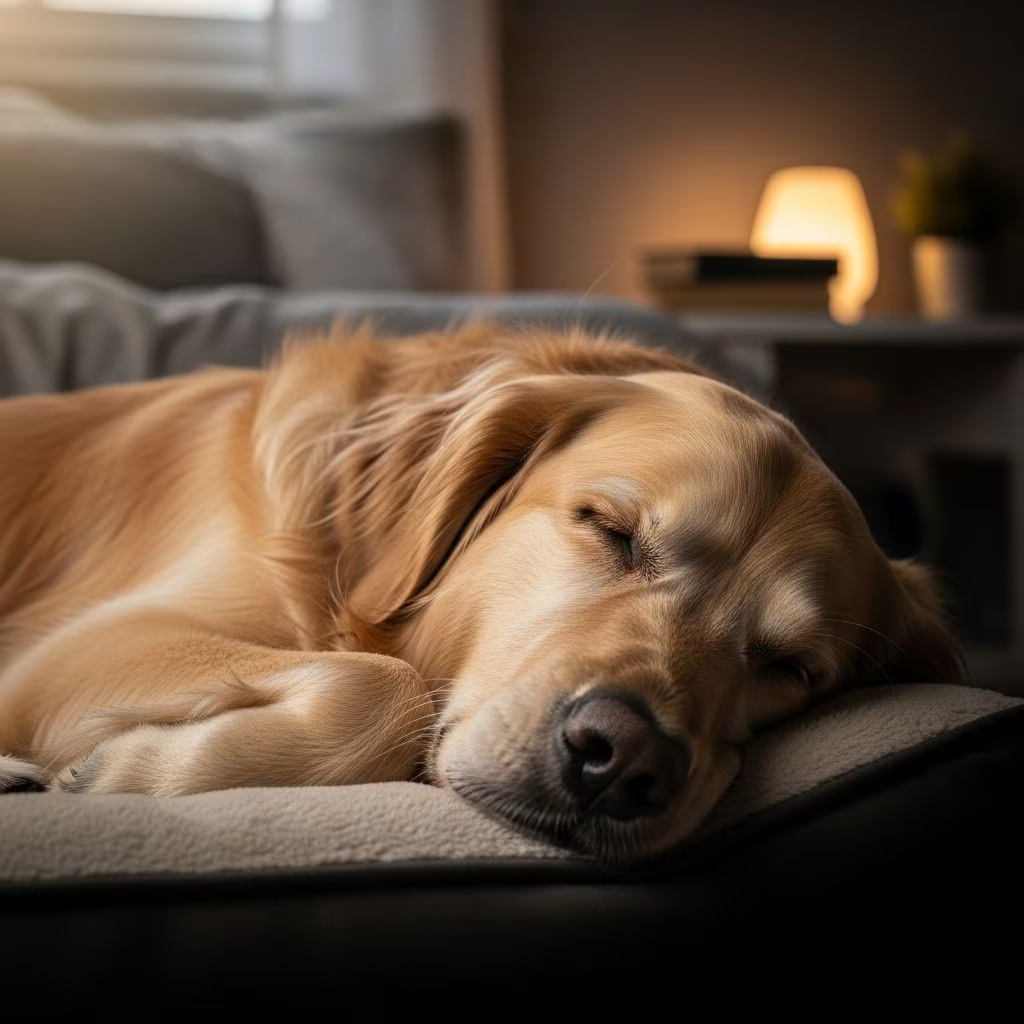
Recent research reveals that dogs, much like humans, can lie awake at night processing the day’s emotional events. A study published in Philosophical Transactions of the Royal Society B demonstrates how positive or negative experiences directly influence canine sleep quality, with stressed dogs experiencing lighter sleep, prolonged REM stages, and frequent awakenings.
What the Study Looked At
Hungarian researchers conducted a controlled experiment with 16 family dogs to examine the link between emotional events and subsequent sleep. Dogs underwent either pleasant interactions—such as play, gentle petting, or calm social engagement—or stressful ones, including brief separations, being ignored, or encounters signaling discomfort.
Following each session, dogs napped in a familiar room for up to three hours. Noninvasive polysomnography, the gold-standard method used in human sleep labs, monitored brain waves, eye movements, and muscle activity to track sleep stages precisely. The protocol was repeated twice per dog to ensure reliable data on sleep macrostructure.
How Stress Changed Their Sleep
The results were striking: Negative experiences led to significantly lighter sleep overall. Stressed dogs spent more time in REM sleep, awoke more quickly and frequently, and showed reduced deep non-REM sleep essential for restoration. Surprisingly, they fell asleep faster initially—a phenomenon called stress-induced quiescence, akin to exhaustion after a tough day that still yields poor rest.
In contrast, positive interactions promoted deeper, more stable sleep cycles with longer deep sleep phases and fewer interruptions. This mirrors human patterns where joyful days foster restorative rest, while anxiety disrupts it.
| Sleep Aspect | After Positive Events | After Negative Events |
|---|---|---|
| Sleep Depth | Deeper non-REM stages | Lighter sleep, more REM |
| Fall-Asleep Time | Normal latency | Shorter (stress quiescence) |
| Awakenings | Fewer, slower | Frequent, rapid |
| Overall Quality | Consistent cycles | Fragmented |
This table summarizes key differences observed in the study, highlighting how emotions shape canine sleep architecture.
Personality and Environment Matter
Individual differences played a major role. Confident, bold dogs showed less sleep disruption after stress, while shy or anxious ones exhibited pronounced changes, such as extended REM and instability.
Environmental factors amplified effects: Loud noises like fireworks or thunderstorms can linger, causing pacing or panting hours later. A separate study on co-sleeping found that owner presence in unfamiliar settings shortens sleep onset, boosts efficiency, and increases deep sleep compared to sleeping with strangers—evidence of dogs’ human-like attachment bonds.
- Bold dogs: Minimal sleep changes post-stress.
- Shy dogs: Greater REM increase and awakenings.
- With owner: Faster sleep onset, higher efficiency (+ up to 58% in some cases).
- Unfamiliar human: Longer latency, less deep sleep.
Why Quality Sleep Matters for Dogs
Deep sleep is crucial for dogs’ cognitive and physical health. It consolidates memories, bolsters immunity, and aids emotional regulation—processes impaired by frequent disruptions. Poor sleep heightens reactivity, vocalization, and behaviors like pacing or destructive chewing.
Chronic issues may contribute to anxiety disorders. Vets note signs like cool-room panting, tucked tails, or nighttime restlessness as red flags for unresolved stress. Puppies and seniors, needing 18-20 hours of sleep daily, suffer most from interruptions, risking developmental or age-related decline.
Helping Dogs Settle for Better Sleep
Pet owners can mitigate these effects through targeted strategies backed by research and expert advice.
- Daily Exercise: Vigorous walks, runs, or fetch (60+ minutes) burn stress hormones and promote tiredness.
- Mental Stimulation: Puzzle toys, scent games, or training sessions process emotions proactively.
- Routine: Consistent bedtime rituals signal safety, reducing latency.
- Quiet Space: Crate or bed in a dim, noise-free area for decompression.
- Owner Bonding: Pre-bed cuddles or co-sleeping (if suitable) enhance security, as shown in attachment studies.
For anxiety-prone dogs, calming aids like pheromone diffusers or vet-prescribed supplements may help, but consult professionals first. Avoid over-stimulation near bedtime; opt for gentle play instead.
Frequently Asked Questions (FAQs)
Do dogs really worry like humans?
Yes, studies show dogs process daytime stress during sleep, leading to lighter REM-heavy patterns similar to human rumination.
Why does my dog pace at night?
Pacing often stems from anxiety, separation fears, noises, or unresolved stress—exacerbated if sleep is poor.
Should I let my dog sleep with me?
Co-sleeping can improve dogs’ sleep efficiency and depth in new environments due to attachment, though it may disrupt human rest.
How much sleep do dogs need?
Adults: 12-14 hours; puppies/seniors: 18-20 hours. Quality matters as much as quantity.
What if my dog’s restlessness persists?
Rule out medical issues (e.g., pain, age-related conditions) with a vet; behavioral consults help chronic cases.
Key Takeaways
This research demystifies nighttime restlessness: Dogs aren’t mysteriously agitated but actively processing their day. By fostering positive experiences, secure environments, and routines, owners can enhance sleep, curbing daytime issues. Understanding these patterns strengthens the human-dog bond, promoting happier, healthier pets.
(Word count: 1678)
References
- Research Suggests Dogs Lie Awake at Night Worrying About Problems — Always Pets. 2024. https://alwayspets.com/s/research-suggests-dogs-lie-awake-at-night-worrying-about-problems/
- Family Dogs’ Sleep Macrostructure Reflects Worsened Sleep Quality — PMC (PubMed Central), peer-reviewed. 2024-10-15. https://pmc.ncbi.nlm.nih.gov/articles/PMC12608857/
- Dogs Are Kept Awake by Their Worries, Just Like Us Pathetic Humans — Vice. 2024. https://www.vice.com/en/article/dogs-are-kept-awake-by-their-worries-just-like-us-pathetic-humans/
- Why Does Your Dog Pace at Night? Causes and How to Help — Kinship. 2024. https://www.kinship.com/dog-behavior/why-does-my-dog-pace-at-night



