

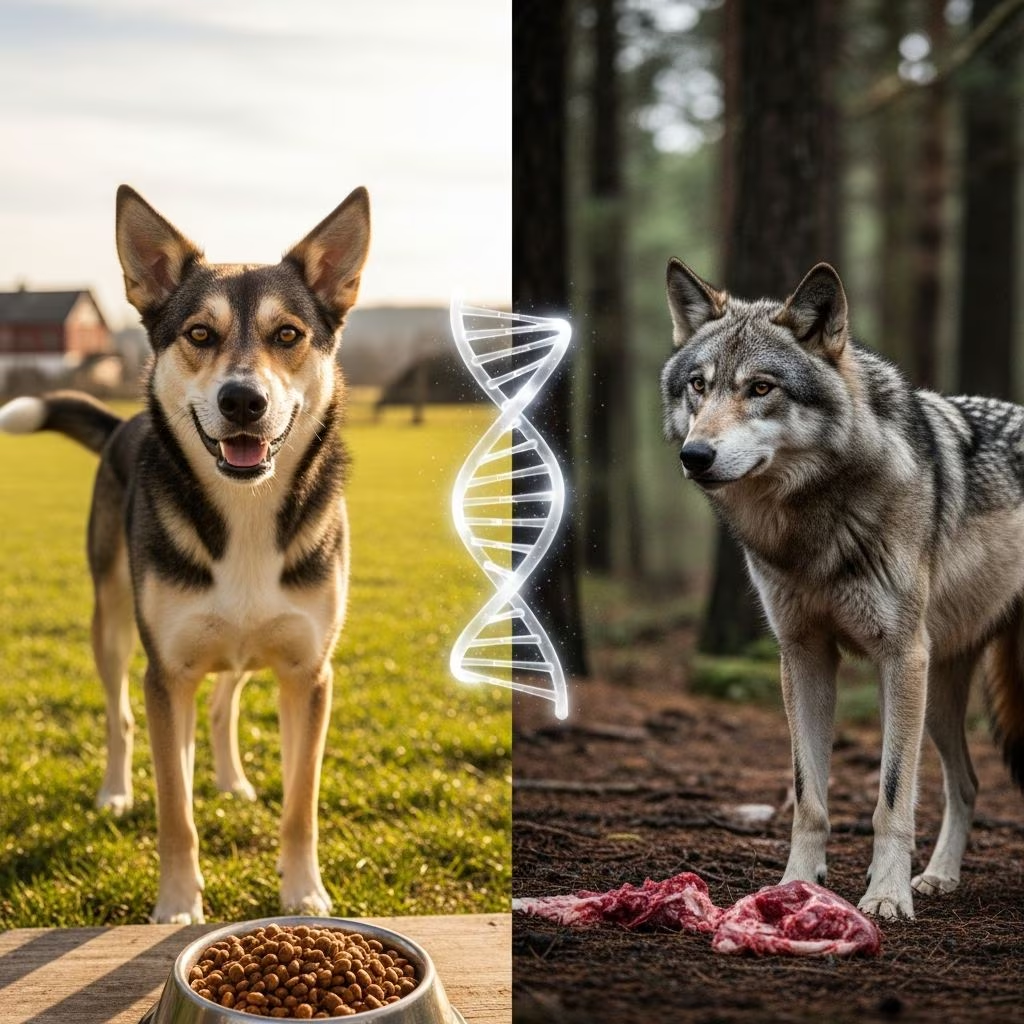
Domestic dogs have undergone profound genetic changes since diverging from wolves, particularly in their capacity to break down starches into usable energy. This adaptation, tied to human agricultural practices around 10,000 years ago, allowed early dogs to scavenge scraps from human settlements, setting them apart from their wild wolf ancestors who rely primarily on meat-based diets.
The Genetic Foundations of Dietary Shifts
Researchers comparing the genomes of wolves and various dog breeds identified key regions unique to dogs, signaling domestication-driven evolution. Among these, genes related to starch and fat metabolism stand out, with dogs possessing enhanced mechanisms for processing carbohydrates. Specifically, the AMY2B gene, responsible for producing amylase—an enzyme that initiates starch breakdown—shows remarkable variation. Wolves typically have just two copies, while dogs range from four to 30 copies, boosting their starch-digesting efficiency by up to fivefold.
This gene duplication correlates with domestication timelines, suggesting selective pressure from starch-rich human waste. Parallel changes appear in the MGAM gene, which codes for maltase. Although copy numbers match between species, sequence differences in dogs yield a longer, more effective enzyme version, akin to those in herbivores and omnivores. These tweaks enable dogs to convert maltose to glucose more readily, fueling their cells efficiently.
Microbiome’s Role in Enhanced Digestion
Beyond nuclear DNA, dogs’ gut microbiomes reflect their starch-adapted lifestyle. Studies reveal higher abundances of genes for glycosyl hydrolases like GH13 (α-amylase) and GH31 (maltase-glucoamylase) in dog microbiomes compared to wolves. These microbial tools aid in cleaving complex starches into simpler sugars, complementing the host’s genetic upgrades.
Captive wolves, exposed to controlled diets, still lag behind dogs in these microbial capacities. Free-ranging wolves, with even less grain exposure, likely have weaker starch-processing microbes. This synergy between genome and microbiome underscores how domestication reshaped not just dogs’ biology but their internal ecosystems, optimizing them for varied food sources.
Implications for Modern Canine Nutrition
While dogs can handle starches better than wolves, this doesn’t endorse carbohydrate-heavy diets as ideal. Wolves thrive on high-protein, low-carb regimens like whole prey, and many dogs benefit similarly. Commercial kibble often exceeds 50% carbs, far beyond what “relatively starch-rich” ancestral diets provided. Fresh, meat-focused foods better mimic evolutionary needs, supporting optimal health.
| Aspect | Wolves | Dogs |
|---|---|---|
| AMY2B Copies | 2 | 4-30 |
| Starch Efficiency | Low | High (5x better) |
| Microbiome GH Genes | Lower abundance | Higher abundance |
| Optimal Diet | High meat, low carb | Moderate starch, protein primary |
This table highlights core differences, emphasizing that dogs’ abilities vary by breed and individual, with some less starch-tolerant than others.
Health Risks Tied to Starch Adaptations
The shared starch-digesting evolution between dogs and humans may explain overlapping conditions like diabetes and inflammatory bowel disease. High-starch intake stresses metabolic pathways, potentially leading to obesity, insulin resistance, and gut inflammation in predisposed dogs. Breeds with fewer AMY2B copies might fare worse on grain-laden foods, underscoring the need for tailored nutrition.
Antibiotic resistance genes also appear more prevalent in dog microbiomes, possibly from processed food exposures or veterinary care, complicating starch benefits.
Ancestral Diets: Lessons from Pre-Domestication
Wolves hunt large ungulates and small mammals, yielding diets over 50% protein and fat, with minimal carbs from organ contents. Early dogs, thriving near farms, accessed starchy refuse, driving adaptations. Yet, this was supplemental; meat remained central. Modern raw or fresh diets emulate this balance, promoting lean muscle, glossy coats, and vitality over carb-fueled weight gain.
Breed Variations in Starch Processing
- High AMY2B Breeds: Like Labradors, often 20+ copies, excel at carb utilization but risk obesity on high-starch feeds.
- Low AMY2B Breeds: Such as some herding types with 4-8 copies, benefit more from low-carb diets to avoid digestive upset.
- Mixed Evidence: Individual testing could personalize feeding, though not routine yet.
These variations highlight why blanket high-carb recommendations falter; genetic profiling offers future precision.
Comparing Diets: Wolves, Wild Dogs, and Pets
Wild canids like African painted dogs mirror wolves in low-starch needs. Pet dogs, conversely, tolerate kibble but thrive on balanced fresh foods. Transitioning from carbs to protein-rich meals improves energy, reduces allergies, and enhances longevity, per observational studies.
Practical Feeding Strategies for Dog Owners
- Prioritize Protein: Aim for 30-50% meat content in meals.
- Limit Grains: Use veggies for fiber, not starches as fillers.
- Monitor Weight: Adjust based on breed starch tolerance.
- Incorporate Variety: Organs and bones mimic ancestral nutrition.
- Consult Vets: For seniors or active dogs, tailor carbs minimally.
These steps leverage dogs’ adaptations without excess, fostering peak health.
Future Research Directions
Ongoing studies probe microbiome transplants and gene editing to refine starch metabolism understanding. Longitudinal trials could quantify carb thresholds per breed, guiding industry reforms toward lower-starch formulas.
FAQs
Can all dogs eat high-starch foods equally?
No, AMY2B copy number varies, making some breeds more efficient. Test stools or observe tolerance.
Should I feed my dog a wolf-like diet?
Emulate high-protein aspects yes, but supplement with dog-adapted elements like safe bones.
Do carbs cause diabetes in dogs?
Excess can contribute, especially in genetically prone lines; moderation key.
How does microbiome affect starch digestion?
Dogs’ microbes produce more breakdown enzymes, aiding genetic changes.
Is grain-free always better?
Not necessarily; quality carbs in moderation fine for tolerant dogs, but fresh preferred.
References
- Wolves, Dogs, Differ in Ability to Digest Starches — Whole Dog Journal. 2016-01-20. https://www.whole-dog-journal.com/health/wolves-dogs-differ-in-ability-to-digest-starches/
- Differences in the gut microbiomes of dogs and wolves — PMC – NIH. 2021-03-01. https://pmc.ncbi.nlm.nih.gov/articles/PMC7937242/
- Starchy diet may have transformed wolves to dogs — Science News. 2013-06-20. https://www.sciencenews.org/article/starchy-diet-may-have-transformed-wolves-dogs
- DNA in dogs, wolves may explain diet preferences — Petfood Industry. 2016-01-15. https://www.petfoodindustry.com/news-newsletters/pet-food-news/article/15457653/dna-in-dogs-wolves-may-explain-diet-preferences-research-finds
- Diet Shaped Dog Domestication — Science.org (AAAS). 2013-06-20. https://www.science.org/content/article/diet-shaped-dog-domestication



