

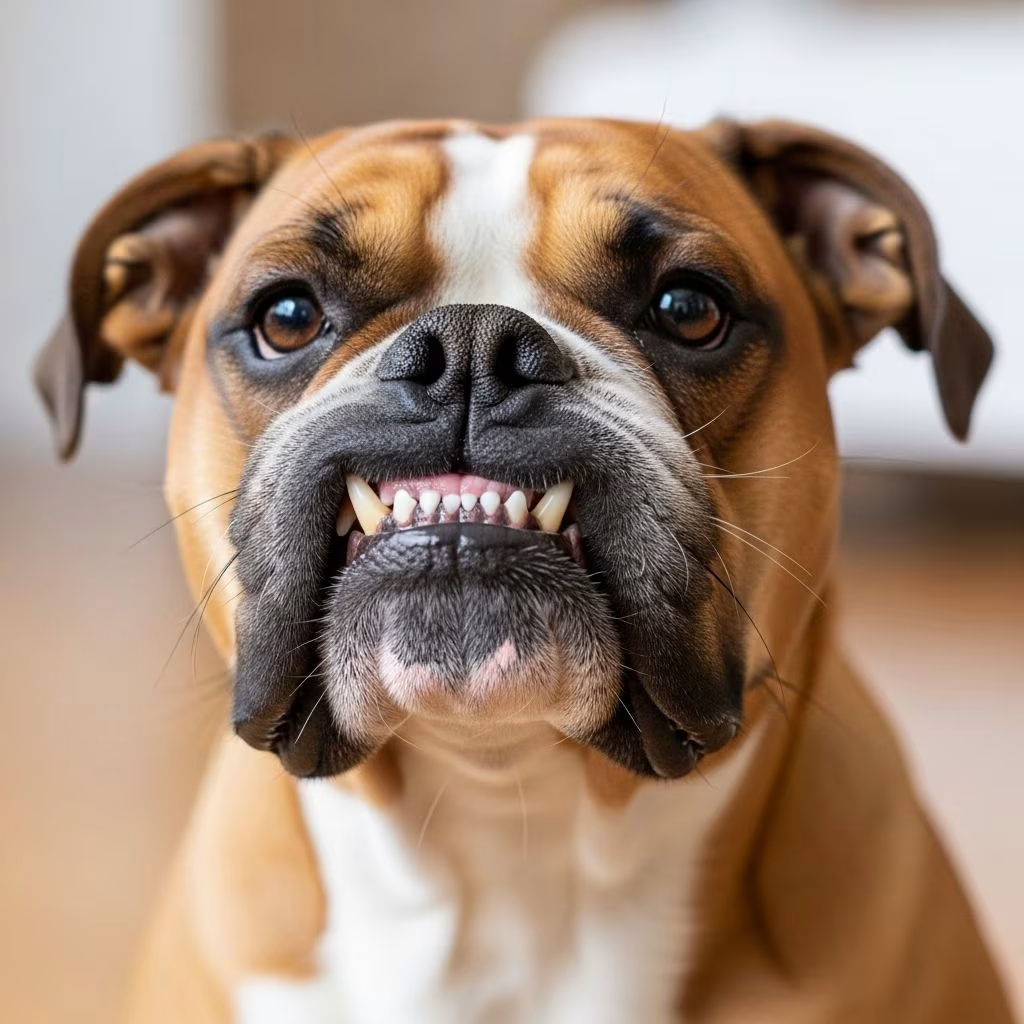
Underbites, known medically as mandibular prognathism or Class 3 malocclusion, occur when a dog’s lower jaw extends beyond the upper jaw, causing the lower teeth to protrude ahead of the upper ones. This condition can range from a subtle trait in certain breeds to a serious health issue requiring intervention.
Common Breeds Prone to Underbites
Many brachycephalic breeds naturally exhibit underbites as part of their genetic makeup. Breeds like Bulldogs, Boxers, Boston Terriers, Pugs, and Shih Tzus often have shortened upper jaws paired with normal-length lower jaws, resulting in this alignment. While acceptable in breed standards for show dogs, these skeletal underbites may still pose functional challenges.
- Bulldogs: Classic example with pronounced lower jaw protrusion.
- Boxers: Moderate underbites common, enhancing their distinctive face.
- Boston Terriers: Often show mild to moderate cases.
- Pugs and Shih Tzus: Smaller breeds with similar skeletal traits.
Non-brachycephalic dogs can develop underbites too, often due to non-genetic factors.
Primary Causes of Canine Underbites
Underbites stem from two main categories: dental and skeletal. Dental underbites involve tooth misalignment without jaw bone discrepancies, frequently seen in puppies where deciduous teeth fail to shed properly, blocking permanent teeth.
Skeletal underbites arise from jaw bone growth imbalances. The lower jaw may grow excessively (mandibular prognathism) or the upper jaw underdeveloped (maxillary brachygnathism). Genetic predisposition dominates in affected breeds, but environmental factors play roles too.
| Cause Type | Description | Examples |
|---|---|---|
| Dental | Malpositioned teeth | Retained baby teeth crowding permanents |
| Skeletal | Jaw bone disproportion | Genetic in Bulldogs; trauma-induced |
| Traumatic | Injury-related | Jaw fractures from accidents or fights |
Trauma, such as bites from other animals or vehicular impacts, can fracture jaws, leading to improper healing and misalignment. Early detection during puppyhood offers the best correction chances.
Recognizing Symptoms in Your Dog
Visual cues include a visibly extended lower jaw, giving a ‘bulldog-like’ appearance, with lower incisors projecting forward. Dogs may struggle to fully close their mouths, leading to a perpetually slightly open maw.
- Difficulty grasping or chewing food, with pieces dropping out.
- Teeth visible even at rest.
- Malocclusion where lower canines contact upper palate or gums.
- Behavioral shifts like head shyness or pawing at the face.
Advanced signs encompass foul breath, bloody saliva, or reluctance to eat, signaling pain or infection.
Health Complications from Untreated Underbites
Beyond aesthetics, underbites compromise oral function. Misaligned teeth traumatize soft tissues, causing ulcers on gums, cheeks, tongue, or palate. Lower teeth may abrade upper structures, wearing enamel and exposing dentin.
Periodontal disease risk escalates due to plaque accumulation in crowded areas. Oronasal fistulas—holes between mouth and nasal cavity—can form from penetrating canines, inviting nasal infections.
- Chronic Pain: From tooth-on-tissue contact.
- Gum Disease: Increased tartar and gingivitis.
- Tooth Wear: Attrition leading to pulpitis or loss.
- Digestion Issues: Poor chewing affects nutrient intake.
Dogs with underbites face higher discomfort and disease predisposition compared to those with normal bites.
Veterinary Diagnosis Process
Diagnosis begins with a thorough oral exam, ideally under anesthesia for comprehensive probing. Full-mouth radiographs reveal root positions, bone density, and hidden pathologies.
Dental charting documents abnormalities, while photographs track progress. For puppies, monitoring deciduous tooth eruption is crucial.
- Physical examination of bite alignment.
- Anesthetized assessment for safety.
- X-rays to evaluate bones and roots.
- Probing for periodontal pockets.
Early intervention in young dogs prevents permanent damage.
Treatment Options for Underbites
Not all underbites require action; mild, asymptomatic cases in adults may be monitored. Treatment focuses on pain relief and function restoration when issues arise.
Interceptive Orthodontics for Puppies
During mixed dentition (3-6 months), extracting obstructing deciduous teeth allows permanent ones to align naturally. Timing is critical for skeletal adaptability.
Orthodontic Appliances
Veterinary dentists use braces or elastics to reposition teeth, reserved for specialists. Goals include comfortable occlusion without ‘perfect’ alignment.
Surgical and Restorative Procedures
Adults may need extractions of traumatizing teeth, crown reductions to shorten wearing surfaces, or vital pulp therapies. Root canals preserve teeth post-trauma.
| Treatment | Best For | Pros | Cons |
|---|---|---|---|
| Extraction | Deciduous teeth, severe cases | Quick, cost-effective | Potential gaps |
| Orthodontics | Growing puppies | Preserves teeth | Specialist only, time-intensive |
| Crown Reduction | Adult tooth wear | Maintains function | Requires sealants |
Surgery for skeletal cases is rare, as orthodontics suffices for most.
Home Care and Prevention Strategies
Daily brushing with enzymatic toothpaste, dental chews, and water additives combat plaque. Annual veterinary cleanings under anesthesia are essential.
- Monitor puppy teething closely.
- Avoid hard toys that exacerbate wear.
- Soft diets for painful chewers.
Breeding responsibly minimizes hereditary cases.
When to Seek Emergency Care
Urgent signs include mouth bleeding, eating refusal, facial swelling, yowling on touch, or excessive drooling/vomiting. These indicate abscesses or fractures needing immediate attention.
FAQs
Do all dogs with underbites need treatment?
No, only if causing pain, trauma, or disease. Many live comfortably.
Can underbites be corrected in adult dogs?
Yes, via extractions or orthodontics, though less ideal than puppy interventions.
Is underbite genetic?
Often yes, especially in brachycephalic breeds, but trauma contributes.
How much does underbite treatment cost?
Varies; extractions $200-500, orthodontics $1,000+ per specialist consult.
Can diet help manage underbites?
Soft foods ease chewing, but professional care is primary.
References
- Underbite In Dogs- Causes And Treatment — iClean Dog Wash. 2023. https://icleandogwash.com/en/news/underbite-in-dogs-causes-and-treatment
- Underbite (Type 3 Malocclusion) — Apex Veterinary Specialists. 2024. https://apexvetss.com/underbite-type-3-malocclusion/
- Bite Right: Exploring Therapy Options for Pets with Underbites — North Bay Veterinary Dentistry. 2023. https://northbayvetdentist.com/bite-right-exploring-therapy-options-for-pets-with-underbites/
- Dogs with Underbites: What Is Canine Malocclusion? — PetMD. 2024-01-15. https://www.petmd.com/dog/care/dogs-underbites-what-canine-malocclusion
- Pet Underbites & Overbites: What’s Normal and What’s Not? — St. Pete Animal Hospital. 2024. https://stpeteah.com/pet-underbites-overbites-whats-normal-and-whats-not/
- Overbites and Underbites (Malocclusions) in Dogs and Cats — WellPets. 2023. https://www.wellpets.com/blog/70-overbites-and-underbites-malocclusions-in-dogs-and-cats/
- Malocclusions in Dogs – When Teeth Dont Align — VCA Animal Hospitals. 2024. https://vcahospitals.com/know-your-pet/malocclusions-in-dogs-when-teeth-dont-align



