

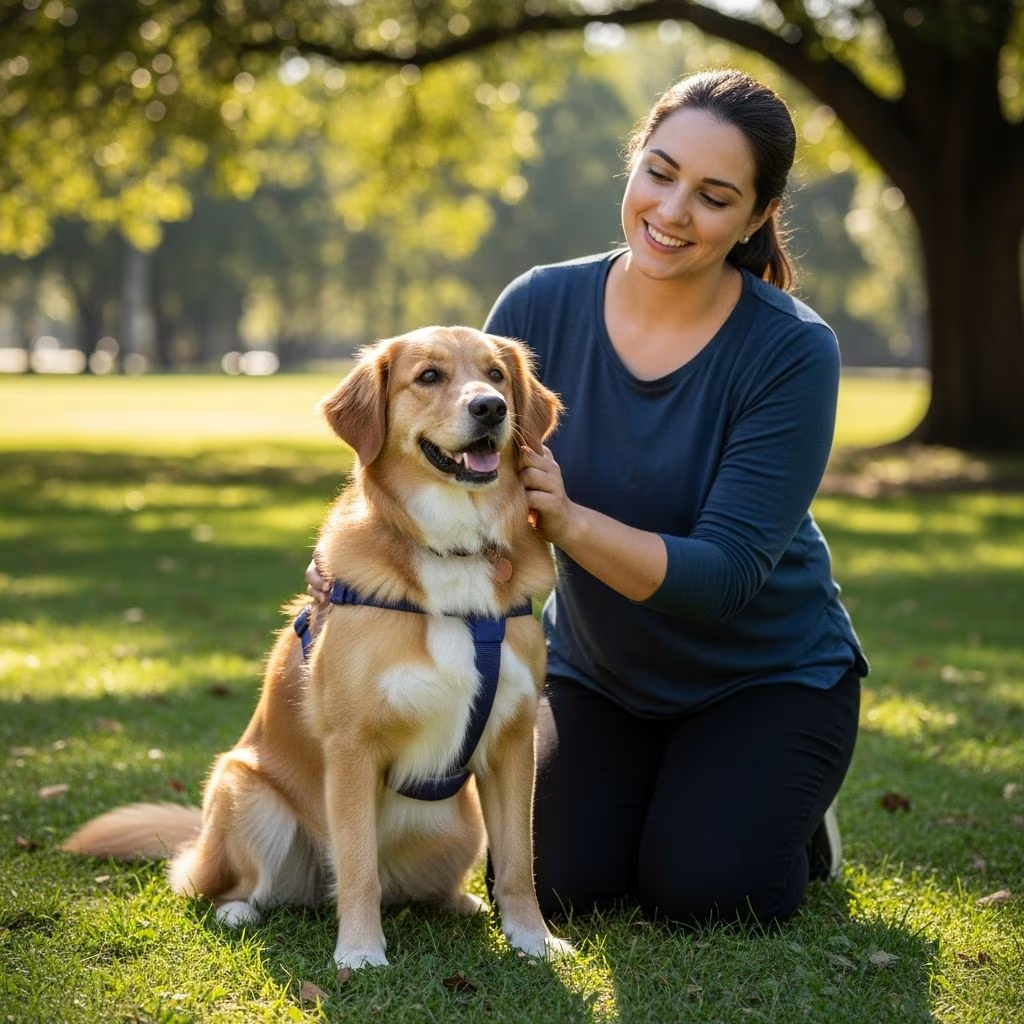
Canine epilepsy, a neurological condition characterized by recurrent seizures, affects many dogs but does not have to limit their quality of life. With appropriate medical interventions, dietary adjustments, and attentive care, affected dogs can engage in regular activities, play, and companionship much like their healthy counterparts.
Understanding Seizures in Dogs
Seizures in dogs manifest as sudden, uncontrolled bursts of electrical activity in the brain, leading to symptoms ranging from mild disorientation to convulsions. These episodes can last seconds to minutes and vary in frequency. Idiopathic epilepsy, the most common form with no identifiable cause, typically appears between six months and six years of age in predisposed breeds.
Recognizing a seizure early is crucial. Initial signs might include behavioral changes like restlessness or salivation, progressing to limb paddling, loss of consciousness, or involuntary urination. Post-seizure recovery, known as the postictal phase, may involve confusion, thirst, or temporary blindness lasting hours.
- Common breeds at risk: Labrador Retrievers, German Shepherds, Border Collies, and Beagles.
- Triggers: Stress, flashing lights, low blood sugar, or missed meals.
- Distinguishing from other conditions: Syncope (fainting) or heatstroke mimic seizures but lack rhythmic movements.
Diagnostic Approaches for Canine Epilepsy
Diagnosis begins with a thorough history and physical exam to rule out metabolic issues, toxins, or structural brain problems. Blood tests assess liver function, glucose levels, and organ health, as these can provoke seizures.
Advanced imaging like MRI or CT scans identifies tumors or inflammation, while cerebrospinal fluid analysis detects infections. Electroencephalography (EEG), though less common in veterinary practice, records brain waves during suspected activity.
| Test | Purpose | Typical Findings in Idiopathic Epilepsy |
|---|---|---|
| Complete Blood Count (CBC) | Detect infections or anemia | Normal |
| Serum Chemistry Panel | Evaluate organ function | Normal or mild elevations from medications |
| MRI/CT Scan | Visualize brain structure | No abnormalities |
| EEG | Monitor electrical activity | Interictal spikes |
Confirming idiopathic epilepsy requires excluding all other causes, guiding effective long-term management.
Primary Pharmacological Treatments
Anticonvulsant drugs form the cornerstone of epilepsy control, aiming to decrease seizure frequency by at least 50% while minimizing side effects. Treatment initiation is recommended for dogs experiencing more than one seizure per month or clusters.
Phenobarbital, the gold standard first-line therapy, is FDA-approved for dogs and effective in 60-80% of cases as monotherapy. Starting dose is 2-3 mg/kg twice daily, with therapeutic serum levels of 20-40 mcg/mL monitored every 6 months. Short-term effects include increased thirst and appetite; long-term risks involve liver enzyme elevation.
Potassium Bromide (KBr) offers an alternative, especially for liver-compromised dogs, with a loading dose followed by 20-30 mg/kg daily. It reaches steady state in 3-6 months and controls seizures in up to 83% of patients. Side effects: ataxia and sedation.
Advanced and Adjunctive Medications
For refractory cases—where seizures persist despite first-line drugs—polytherapy combines agents. Levetiracetam (Keppra) is favored for minimal side effects, dosed at 20 mg/kg three times daily, often with phenobarbital.
Zonisamide and Imepitoin (Europe-approved, used off-label in the US) provide additional options. Imepitoin matches phenobarbital efficacy in studies, with fewer sedation issues. Gabapentin supports pain-related seizures.
- Refractory epilepsy affects 20-30% of dogs.
- Monitor drug interactions: Phenobarbital accelerates levetiracetam clearance.
- Emergency: Rectal diazepam for status epilepticus.
Nutritional Strategies to Support Seizure Control
Diet plays a pivotal role beyond medications. Medium-chain triglyceride (MCT)-enriched diets reduce seizure frequency by providing ketones, an alternative brain fuel. Clinical trials show 50% fewer seizures in dogs on MCT diets versus controls.
Veterinary formulas like Purina Pro Plan NC NeuroCare combine MCTs with antioxidants, enhancing cognition and trainability. Ketogenic diets mimic human epilepsy protocols but require veterinary oversight to prevent deficiencies.
General tips:
- Maintain consistent meal times to stabilize blood sugar.
- Avoid high-carbohydrate foods that may exacerbate symptoms.
- Hydrate well, especially with polydipsia-inducing drugs.
Lifestyle Modifications for Optimal Well-Being
Epileptic dogs thrive with structured routines. Minimize stress through predictable schedules, ample exercise, and mental stimulation. Avoid known triggers like fireworks or extreme temperatures.
Regular veterinary check-ups ensure timely dose adjustments. Owners track seizures in logs noting duration, triggers, and recovery, aiding personalized plans.
Exercise benefits outweigh risks; swimming or leashed walks suit most dogs. Travel preparations include medication supplies and emergency contacts.
Monitoring Progress and Side Effect Management
Therapeutic drug monitoring (TDM) via blood levels optimizes dosing and detects toxicity. CBC and biochemistry panels every 6 months screen for hepatotoxicity.
Common side effects and counters:
| Drug | Side Effect | Management |
|---|---|---|
| Phenobarbital | Polydipsia/Polyuria | Increase water access, frequent potty breaks |
| KBr | Ataxia | Dose reduction, supportive care |
| Levetiracetam | Sedation (rare) | Timing with meals |
Annual liver ultrasounds for long-term phenobarbital users prevent complications.
Non-Pharmacological and Emerging Therapies
Adjuncts include vagus nerve stimulation (limited data) and acupuncture for stress reduction. Cannabidiol (CBD) shows promise in trials but lacks FDA approval for epilepsy.
Behavioral therapy addresses anxiety-triggered seizures. Genetic screening in breeds like Belgian Tervurens informs breeding decisions.
Prognosis and Long-Term Outlook
With compliant treatment, 70% of dogs achieve good control, enjoying 2-5 extra healthy years. Refractory cases may require specialist referral. Euthanasia considerations arise only in severe, uncontrolled scenarios impacting welfare.
Frequently Asked Questions
Can epileptic dogs live a normal lifespan?
Yes, many do with proper management, though monitoring is lifelong.
Is epilepsy hereditary in dogs?
Often in predisposed breeds; genetic testing is advancing.
What if my dog has a seizure at home?
Ensure safety, time the event, and contact your vet if over 5 minutes.
Are there natural remedies for dog seizures?
MCT diets show evidence; consult vets before alternatives.
How much do epilepsy treatments cost?
Monthly meds: $20-100; monitoring adds $200-500 yearly.
References
- Treatment Plans for Routine and Refractory Canine Epilepsy — Today’s Veterinary Practice. 2023. https://todaysveterinarypractice.com/neurology/treatment-plans-for-routine-and-refractory-canine-epilepsy/
- Treatment in canine epilepsy – a systematic review — PMC – NIH. 2014-10-01. https://pmc.ncbi.nlm.nih.gov/articles/PMC4209066/
- Epilepsy in Dogs: Treatment and Long-Term Management — Purina US. 2024. https://www.purina.com/articles/dog/health/symptoms/epilepsy-in-dogs-treatment
- Canine Idiopathic Epilepsy — MU Veterinary Health Center. 2023. https://vhc.missouri.edu/small-animal-hospital/neurology-neurosurgery/facts-on-neurologic-diseases/canine-idiopathic-epilepsy/
- Epilepsy Treatment in Dogs Fact Sheet — Davies Veterinary Specialists. 2023. https://www.vetspecialists.co.uk/fact-sheets-post/epilepsy-in-dogs-fact-sheet/



