

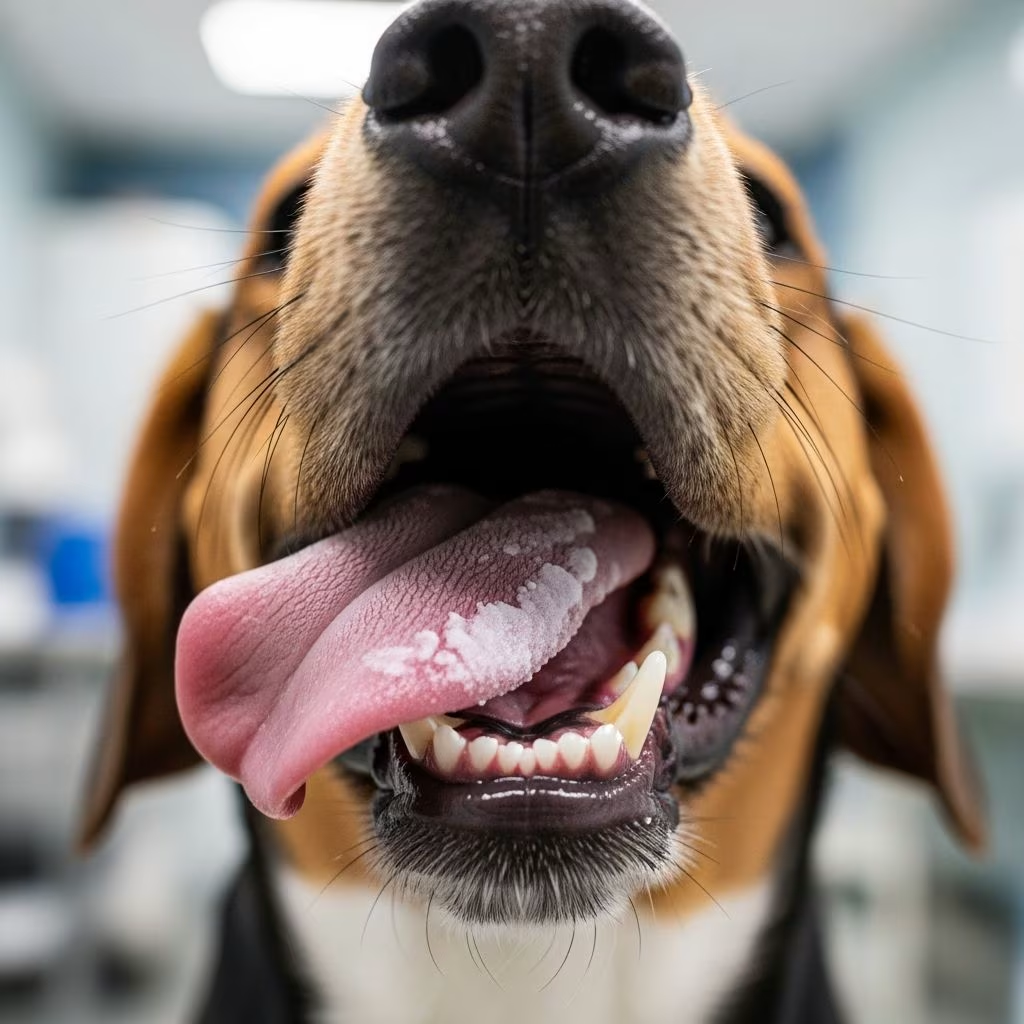
A dog’s tongue serves as a vital health indicator, much like gums or eyes. Normally pink and moist, a sudden shift to white or pale hue demands immediate attention, as it often points to circulation issues, infections, or systemic diseases. Understanding these changes helps pet owners respond promptly to safeguard their companion’s life.
Understanding Normal vs. Abnormal Tongue Appearance
Dogs’ tongues vary by breed—some like Chow Chows have natural blue-black pigmentation, while most display vibrant pink. A healthy tongue feels slick, warm, and shows visible capillaries beneath the surface. When it pales, blood flow or oxygen delivery falters, coating it in white or leaving it ashen. Factors like breed, age, and hydration influence baseline color, but any unexplained whitening warrants a vet visit.
Observe alongside gums: pale or tacky gums amplify concerns. Quick checks include pressing the gumline; it should pink up in 1-2 seconds. Delays signal poor perfusion, a hallmark of emergencies.
Circulatory and Blood-Related Triggers
Many white tongue cases stem from impaired blood circulation or loss, reducing oxygen to tissues.
Anemia: A Common Culprit
Anemia arises when red blood cell counts or hemoglobin drop, starving tissues of oxygen. Causes span chronic blood loss (parasites, ulcers), nutritional gaps (iron deficiency), or bone marrow suppression. Affected dogs exhibit pale tongues, lethargy, rapid breathing, and weakness. Breeds like Greyhounds may mask mild cases due to naturally pale mucous membranes.
- Symptoms: Fatigue, fast heartbeat, appetite loss, dirt-eating (pica).
- Diagnosis: Blood tests reveal low packed cell volume (PCV).
- Treatment: Address root cause—supplements, transfusions for severe cases.
Internal Bleeding and Hemorrhage
Visible wounds alert owners, but internal hemorrhage silently drains blood volume, paling the tongue. Triggers include trauma (car accidents), toxins (rodenticides), tumors, or gastrointestinal ulcers. Blood may pool in abdomen, chest, or tracts, evading notice until collapse.
Signs mimic anemia but progress rapidly: cold extremities, collapse, distended belly. Emergency surgery or transfusions save lives.
Shock States Explained
Shock disrupts organ perfusion, turning tongues ghostly white. Types include:
| Type | Causes | Key Signs |
|---|---|---|
| Hypovolemic | Blood/fluid loss, dehydration | Weak pulse, sunken eyes, rapid breath |
| Cardiogenic | Heart failure | Coughing, fluid buildup |
| Septic | Infection overload | Fever, vomiting |
Immediate IV fluids and stabilization are critical; delay risks multi-organ failure.
Cardiovascular and Pressure Issues
Hypotension’s Hidden Impact
Low blood pressure hampers circulation, whitening extremities like the tongue. Rooted in heart disease, endocrine disorders (Addison’s), sepsis, or drugs, it prompts excessive thirst, disorientation, and fainting. Chronic cases link to kidney/liver failure. Monitor via home blood pressure cuffs if recurrent, but vets use Doppler for accuracy.
- Associated symptoms: Increased urination, staggering, collapse.
Cancer Connections: Leukemia and Beyond
Leukemia floods the body with faulty white cells, crowding out red cell production and inducing anemia. Symptoms blend pale membranes with weight loss, fever, bruising. Diagnosis via bone marrow biopsy; chemotherapy offers management, though prognosis varies by type.
Other malignancies like lymphoma or hemangiosarcoma cause bleeding/anemia, paling tongues indirectly.
Oral and Infectious Conditions
Fungal Overgrowth: Stomatitis Details
Candida albicans proliferates in immunocompromised dogs—post-antibiotics, diabetes, or Cushing’s—causing white plaques, ulcers, and inflammation. Halitosis, drooling, and pain ensue, hindering eating.
Treatment involves antifungals (fluconazole), immune support, and dental cleanings. Prevent via probiotics during antibiotics.
Dental Disease and Buildup
Plaque, tartar, and pus from periodontitis coat tongues white. Advanced gingivitis breeds bacteria, risking heart/kidney spread. Breeds like small faces (Pugs) suffer more.
- Prevention: Daily brushing, dental chews, annual cleanings.
White spots signal ulcers, warts (papillomas), or leukoplakia—biopsy if persistent.
Environmental and Metabolic Factors
Dehydration’s Subtle Signs
Thick saliva from fluid loss mimics whitening. Heatstroke, vomiting, or diabetes spur it. Skin tenting and dry nose confirm; rehydrate orally or IV.
Hypothermia Risks
Cold exposure constricts vessels, paling tongues. Shivering dogs in wet winters need warming blankets and monitoring.
When to Seek Veterinary Help
Never ignore whitening—rush to ER if paired with collapse, bleeding, or breathing distress. Routine checks suit mild cases with dental focus. Vets employ bloodwork, imaging, cultures for pinpointing.
Diagnostic Approaches
Comprehensive exams include:
- PCV/hemoglobin for anemia.
- Coagulation panels for bleeding.
- Cytology for infections.
- Ultrasound for internal bleeds.
Home Monitoring and Prevention Tips
Daily checks foster early detection. Maintain diets rich in iron/taurine, vaccinate against leptospirosis, and schedule dentals. Hydration stations and shade prevent dehydration/shock.
FAQs
Is a white tongue always an emergency?
Not always, but paired with weakness or bleeding, yes—seek care within hours.
Can diet fix a pale tongue?
It aids mild anemia but never substitutes vet diagnosis.
Why do some breeds have pale tongues naturally?
Sighthounds have thinner vessels; monitor changes.
How to clean a white-coated tongue at home?
Avoid—underlying issues need pro treatment; use vet-approved rinses post-clearance.
Does age affect tongue color risks?
Seniors face higher anemia/cancer odds.
Prognosis and Long-Term Care
Outcomes hinge on cause—dental issues resolve readily, while cancers demand ongoing management. Regular wellness integrates blood panels, fostering longevity.
References
- Pale Gums in Dogs: Is It an Emergency? — Garden State Veterinary Specialists. 2023-05-15. https://gsvs.org/blog/pale-gums-dogs-emergency/
- Fungal Stomatitis in Dogs: Causes & Treatments — WellPets Veterinary Clinic. 2022-11-10. https://www.wellpets.com/blog/162-fungal-stomatitis-in-dogs-causes-treatments/
- Talking Tongues: Decoding Your Dog’s Health Through Tongue Color — Veterinary Dentist TN. 2024-03-20. https://vetdentisttn.com/talking-tongues-decoding-your-dogs-health-through-tongue-color/
- Why Is My Dog’s Tongue White? 6 Vet-Verified Reasons — Dogster (Veterinary Review). 2023-08-12. https://www.dogster.com/dog-health-care/why-is-my-dogs-tongue-white
- Signs and Colors of an Unhealthy Dog Tongue — Odie Pet Insurance Blog. 2024-01-05. https://getodie.com/blog/unhealthy-dog-tongue-white-pale-yellow-blue-purple/



