

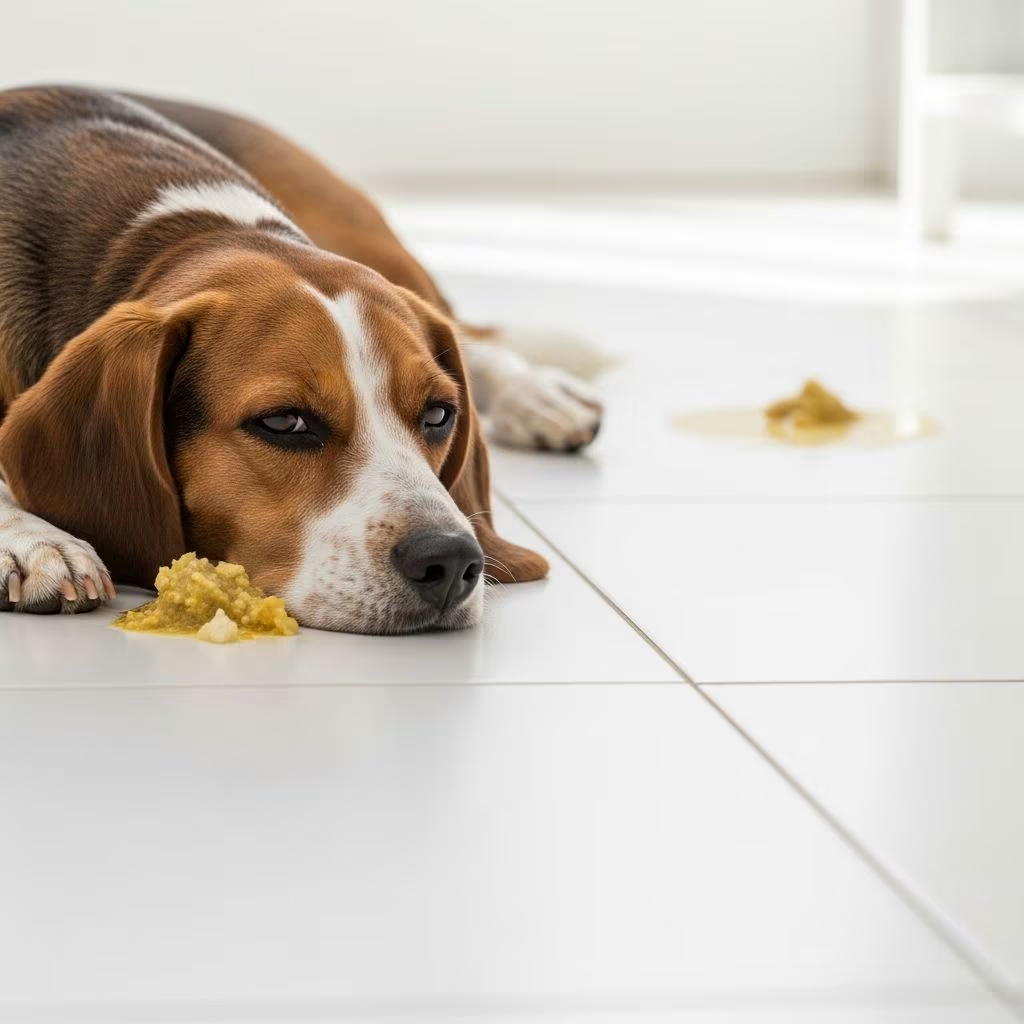
Vomiting and diarrhea are frequent gastrointestinal complaints in dogs, often signaling temporary upset but sometimes indicating serious conditions requiring prompt veterinary attention.
Recognizing Gastrointestinal Distress in Canines
Dogs experience stomach and intestinal irritation known as gastroenteritis, which inflames the digestive tract and leads to fluid loss through vomit and loose stools. This condition varies in severity; mild cases resolve with rest, while acute forms like hemorrhagic gastroenteritis involve bloody discharge and demand immediate care.
Owners often notice these issues after dietary indiscretions, such as scavenging garbage or consuming inappropriate items. Puppies and senior dogs face higher risks due to weaker immune systems.
Common Triggers Behind Digestive Upset
Several factors provoke these symptoms. Dietary problems top the list, including overeating, sudden food switches, or ingesting spoiled items.
- Infections: Bacterial, viral (like parvovirus), or parasitic invasions disrupt gut flora.
- Toxins: Exposure to chocolate, plants, or chemicals irritates the lining.
- Foreign Objects: Swallowed toys or strings cause blockages.
- Systemic Issues: Liver, kidney, pancreas disorders, or hormonal imbalances like diabetes.
- Stress or Allergies: Environmental changes or food sensitivities.
Less common culprits include motion sickness, heatstroke, or tumors.
Key Symptoms to Monitor Closely
Beyond obvious vomiting and watery stools, watch for associated signs that gauge severity.
| Symptom | Description | Concern Level |
|---|---|---|
| Lethargy | Dog appears tired, unwilling to play | Moderate to High |
| Abdominal Pain | Whining or guarding belly when touched | High |
| Loss of Appetite | Refuses food or water | Moderate |
| Bloody Stools/Vomit | Red or dark tarry discharge | Emergency |
| Dehydration | Gum pinch test: skin stays tented | High |
Frequent episodes produce foamy bile vomit or ice-cream-like diarrhea, often with fever. Dehydration sets in rapidly after 24 hours.
Home Management Strategies for Mild Cases
For isolated incidents without red flags, initial steps can stabilize the dog.
- Withhold Food: Fast for 12-24 hours to rest the gut, but provide water.
- Hydration Focus: Offer small sips of cooled boiled water or diluted broth frequently.
- Bland Diet Introduction: Start with boiled chicken and rice in tiny portions every 2 hours, transitioning to normal food over days.
- Rest and Monitor: Keep the dog calm, track stool quality and energy.
Avoid grass eating assumptions; dogs graze for various reasons. Probiotics may aid recovery but consult a vet first.
Diagnostic Approaches at the Vet
Professionals use history, exams, and tests to pinpoint causes.
- Physical check for pain or fever.
- Fecal analysis for parasites.
- Blood panels for organ function, infections.
- Imaging like X-rays or ultrasounds for obstructions.
These rule out parvo or metabolic diseases.
Professional Treatment Protocols
Vets tailor therapies to the diagnosis.
- Anti-Nausea Meds: Maropitant (Cerenia) or metoclopramide.
- Protectants: Famotidine for ulcer prevention.
- Fluid Therapy: IV drips for rehydration.
- Antibiotics/De-wormers: If infection confirmed.
- Surgery: Rare, for blockages.
Isolation prevents spread in infectious cases. Prescription diets support long-term healing.
Preventive Measures for Healthy Digestion
Proactive habits reduce recurrence risks.
- Consistent, high-quality diet without abrupt changes.
- Secure trash and toxic items.
- Regular de-worming and vaccinations (e.g., parvo).
- Stress minimization during travel or routine shifts.
- Annual check-ups for early detection.
Monitor scavenging tendencies, especially in puppies.
When to Rush to Emergency Care
Not all cases wait; certain signs demand immediate action.
- Blood or worms in output.
- Persistent vomiting >24-48 hours.
- Severe lethargy or collapse.
- Signs of pain, bloating, or suspected ingestion.
- Dehydration refusal to drink.
Puppies, elderly, or multi-pet households heighten urgency.
Frequently Asked Questions
Can I treat my dog’s vomiting at home?
Mild, single episodes yes, with fasting and bland food; escalate if ongoing.
Is bloody diarrhea always fatal?
No, but hemorrhagic forms need urgent vet intervention.
How long before seeing a vet?
24 hours if mild; immediately for blood, pain, or dehydration.
Does grass eating help dogs vomit?
Often coincidental; not reliable nausea relief.
What diet post-recovery?
Gradual return to normal via bland meals; vet-recommended if chronic.
References
- Vomiting and Diarrhoea | Gastroenteritis in Dogs — Blue Cross. 2023. https://www.bluecross.org.uk/advice/dog/health-and-injuries/vomiting-and-diarrhoea-in-dogs
- Gastroenteritis in Dogs — VCA Animal Hospitals. 2023. https://vcahospitals.com/know-your-pet/gastroenteritis-in-dogs
- Vomiting and Diarrhea: Can It Wait Until Morning? — UrgentVet. 2023. https://urgentvet.com/vomiting-and-diarrhea-can-it-wait-until-morning/
- Gastroenteritis in Pets — Herndon Animal Medical Center. 2023. https://www.herndonveterinary.com/blog/gastroenteritis-in-pets
- Understanding Pet Upset: Vomiting and Diarrhea Explained — Cobb & Co. Veterinary Clinic. 2023. https://cobb.vet/understanding-pet-upset-vomiting-and-diarrhea-explained/
- Vomiting and Diarrhea — Prospect Ridge Veterinary. 2023. https://www.prospectridgevet.com/vomiting-and-diarrhea
- Vomiting and Diarrhea — University of Missouri Veterinary Health Center. 2023. https://vhc.missouri.edu/small-animal-hospital/emergency-and-critical-care/vomiting-and-diarrhea/



