

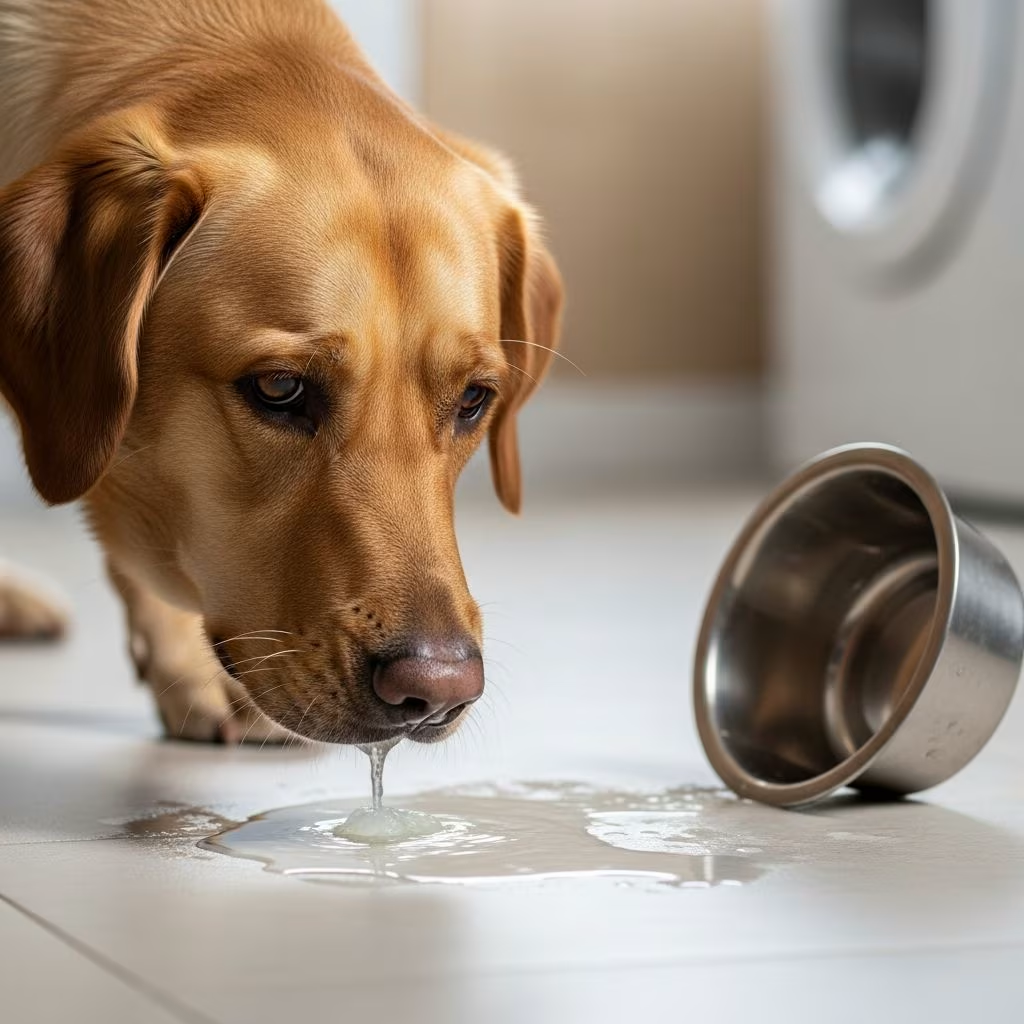
Vomiting right after drinking water is a frequent concern for dog owners, often signaling anything from innocent behaviors to underlying health problems. This guide breaks down the primary triggers, how to spot them, immediate actions, and strategies for long-term prevention to keep your canine companion comfortable and healthy.
Recognizing the Signs of Vomiting vs. Regurgitation
Before diving into causes, distinguish between vomiting and regurgitation. Vomiting involves active stomach contractions, expelling digested or partially digested material, bile, or clear fluid forcefully. Regurgitation is passive, with undigested water or food flowing back up effortlessly, often soon after intake. Both can follow water consumption, but regurgitation typically points to esophageal or swallowing issues, while vomiting relates more to stomach distress.
Observe the vomit: clear liquid suggests recent water; foamy or yellow-tinged indicates bile from an empty stomach; green hues may signal bile reflux or toxins.
Everyday Behavioral Triggers
Many cases stem from normal dog habits that overwhelm the digestive system temporarily.
Rapid Gulping of Fluids
Dogs often drink voraciously after exercise, heat exposure, or thirst buildup, swallowing air alongside water. This distends the stomach rapidly, triggering expulsion to relieve pressure. Active or large breeds are prone, especially post-play or in hot weather.
- Occurs within minutes of drinking.
- No other symptoms like lethargy.
- Resolves quickly without recurrence.
Excessive Water Intake Leading to Imbalance
Overhydration dilutes blood electrolytes like sodium, causing nausea. Pups playing in pools, lakes, or with unlimited bowls risk this, particularly if panting heavily.
Symptoms include bloating, weakness, or unsteadiness beyond simple vomiting.
Environmental and Dietary Culprits
External factors can introduce irritants directly or indirectly.
Contaminated Water Sources
Stagnant ponds, puddles, or unclean bowls harbor bacteria (e.g., Leptospirosis), parasites (Giardia, worms), viruses, or algae toxins (cyanobacteria). Domesticated dogs lack wild resilience, leading to gastrointestinal upset shortly after ingestion.
| Contaminant Type | Common Sources | Associated Risks |
|---|---|---|
| Bacteria/Viruses | Puddles, shared bowls | Diarrhea, fever |
| Parasites | Standing water, soil | Worms in stool, weight loss |
| Blue-Green Algae | Lakes, rivers | Seizures, rapid breathing |
Dietary Mismatches or Sensitivities
An empty stomach produces bilious vomiting—clear or yellow fluid—exacerbated by water. Recent food changes, allergies, or indigestible items can sensitize the gut, making water a tipping point.
Stress, anxiety, or overexertion amplifies this, common in new environments or after intense activity.
Serious Medical Conditions to Rule Out
Persistent or repeated episodes warrant professional evaluation, as they may indicate deeper issues.
Gastrointestinal Disorders
Gastritis, inflammatory bowel disease, pancreatitis, or infections inflame the stomach lining, reacting poorly to water. Parvovirus in unvaccinated pups causes severe fluid loss and vomiting.
Esophageal and Structural Problems
Megaesophagus—a dilated esophagus—prevents proper fluid passage, causing immediate regurgitation. Hiatal hernias, tumors, or hypothyroidism contribute similarly.
Systemic Diseases
Kidney dysfunction, Addison’s disease, or electrolyte imbalances heighten thirst and provoke vomiting cycles. Heatstroke combines overexertion with fluid overload, demanding urgent care.
Monitor for red flags: blood in vomit, repeated episodes (3+ in 24 hours), diarrhea, lethargy, appetite loss, or dehydration signs (dry gums, sunken eyes).
Immediate Response Strategies
Act swiftly but calmly to avoid escalation.
- Withhold Food and Water Temporarily: 6-12 hours for adults; 4-6 for puppies to rest the stomach.
- Reintroduce Bland Diet: Boiled rice and chicken in small portions, then gradual normal food over 24-48 hours.
- Hydrate Carefully: Offer ice cubes or small sips from a slow-feed bowl to prevent gulping.
- Clean Environment: Disinfect bowls daily; use filtered water.
For mild cases resolving in 24 hours, home care suffices. Persistent issues? Vet visit essential.
Preventive Measures for Lasting Health
Proactive habits minimize risks effectively.
- Slow Drinking Tools: Puzzle bowls, elevated feeders, or anti-gulp mats slow intake by 50-70%.
- Portion-Controlled Access: Limit bowl refills; use timed dispensers for multi-dog homes.
- Regular Parasite Checks: Fecal exams biannually; deworm as advised.
- Vaccinations and Wellness Exams: Core shots protect against Leptospirosis, Parvo; annual bloodwork catches kidney/electrolyte issues early.
- Diet Optimization: High-quality, breed-specific kibble; transition foods over 7-10 days.
Avoid natural water bodies during algae season (warm, still waters).
When to Seek Emergency Veterinary Help
Not all vomiting needs a trip, but these demand immediate attention:
- Bloody, coffee-ground, or explosive vomit.
- Accompanied by seizures, collapse, or pale gums.
- Puppy/underweight dog unable to keep any fluids down.
- Signs of pain (whining, hunched posture).
- History of toxin exposure or blue-green algae.
Vets may use diagnostics: blood tests, X-rays, ultrasound, or endoscopy to pinpoint causes.
FAQs on Dogs Vomiting After Drinking Water
Q: Is it normal for dogs to vomit water occasionally?
A: Infrequent episodes from gulping are common and harmless, but patterns signal issues.
Q: How can I stop my dog from gulping water?
A: Use slow-feeder bowls, freeze water into cubes, or train with commands during drinks.
Q: What if the vomit is yellow or foamy?
A: Likely bilious from empty stomach; feed smaller, frequent meals and consult vet if recurrent.
Q: Can parasites cause this without diarrhea?
A: Yes, early infestations may only provoke vomiting; check stool routinely.
Q: Is overhydration common in swimming dogs?
A: Absolutely—monitor playtime and offer breaks with fresh water sips.
Long-Term Wellness for Your Dog’s Digestive System
Maintaining gut health involves holistic care. Probiotics support flora balance post-upset; fiber-rich foods aid motility. Track intake/output in a journal for trends. Breeds like Bulldogs (brachycephalic) or seniors face higher risks due to anatomy or age-related sensitivities—tailor care accordingly.
Exercise moderately to build thirst tolerance without exhaustion. Seasonal vigilance: more contaminants in summer puddles, heatstroke risks.
Empower yourself with knowledge: most cases resolve simply, but vigilance ensures rare problems don’t escalate. Your attentiveness directly boosts your dog’s quality of life.
References
- Dog Keeps Throwing Up After Drinking Water: Causes and Solutions — UAH Pet. 2023. https://www.uahpet.com/blogs/post/dog-keeps-throwing-up-after-drinking-water-causes-and-solutions
- So Your Dog Throws Up After Drinking Water – What Now? — Spark Paws. 2023. https://www.sparkpaws.com/blogs/community/so-your-dog-throws-up-after-drinking-water
- Why Does My Dog Throw Up After Drinking Water? — Petcube. 2023. https://petcube.com/blog/dog-throw-up-after-drinking/
- Why Is My Dog Throwing Up Water or Clear Liquid? — Spot & Tango. 2023. https://www.spotandtango.com/blog/why-is-my-dog-throwing-up-water-or-clear-liquid
- Why Is My Dog Drinking a Lot of Water? — PetMD. 2024-01-15. https://www.petmd.com/dog/symptoms/why-is-my-dog-drinking-a-lot-of-water
- Why Is My Dog Throwing Up Clear Liquid? A Vet Explains — PetLab Co. 2023. https://thepetlabco.com/learn/dog/health-wellness/dog-throwing-up-clear-liquid



