

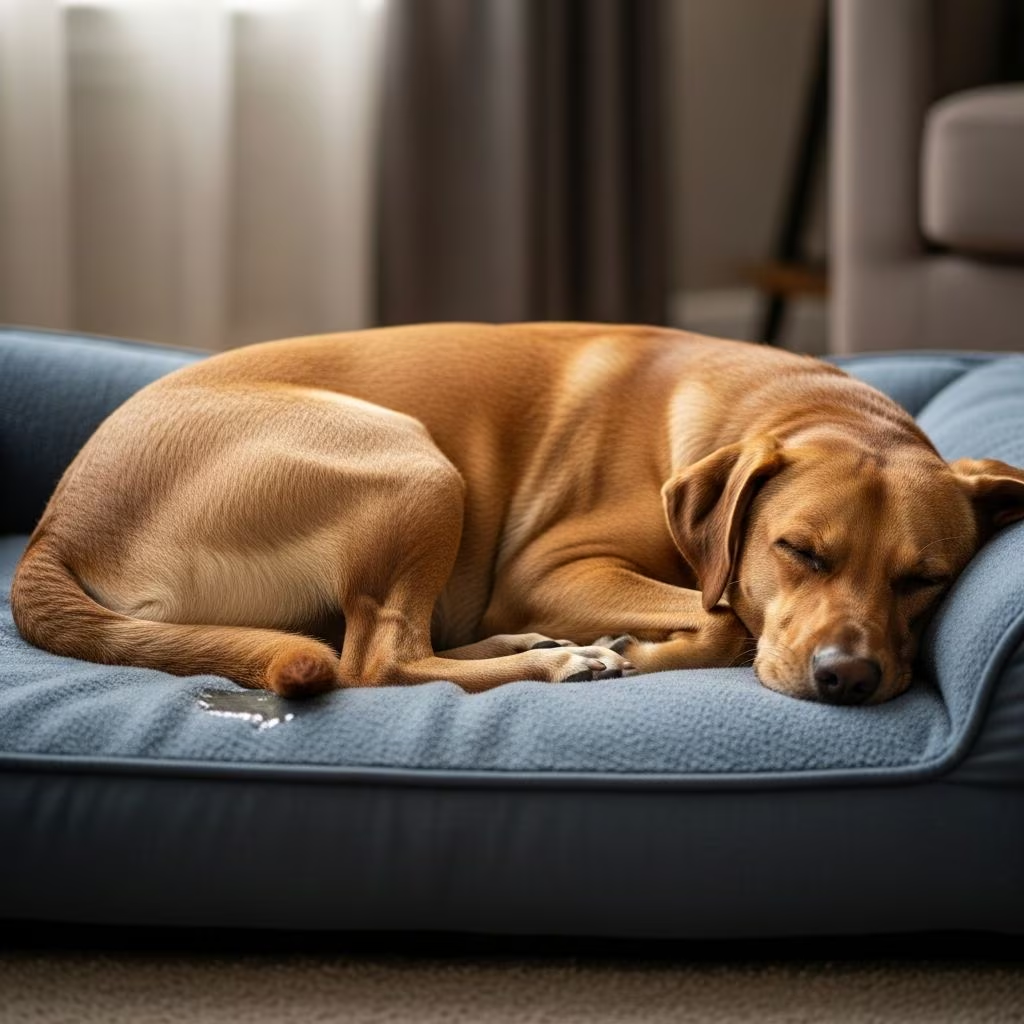
Dogs urinating involuntarily while asleep often signals an underlying health concern rather than behavioral problems. This condition, known as urinary incontinence, affects many pets, particularly seniors and spayed females, leading to wet bedding and discomfort if unaddressed.
Recognizing the Signs of Involuntary Urination in Sleeping Dogs
Spotting urine leaks during rest is the primary indicator. Owners frequently discover damp patches on beds or floors where their dog has been lying, especially noticeable in the morning. The fur near the hindquarters may appear wet, and a persistent urine smell or reddish-brown staining on the legs can develop from repeated exposure.
- Damp bedding or sleeping areas after naps or overnight.
- Wet fur around the vulva, penis, or rear legs.
- Excessive licking of the genital region.
- Dribbles noticed during walks or after normal urination.
- Apparent unawareness by the dog of the leakage.
These symptoms distinguish incontinence from deliberate marking, as affected dogs show no conscious intent.
Primary Medical Causes Behind Sleep Urination
Several health factors contribute to this issue, with muscle weakness and infections topping the list. Understanding these helps in prompt intervention.
Age-Related Bladder Weakness
As dogs age, bladder muscles and sphincters lose tone, reducing control during deep relaxation like sleep. This is prevalent in seniors beyond middle age, where natural decline impairs holding urine.
Urinary Tract Infections (UTIs)
Bacterial invasions in the urinary system cause inflammation, preventing proper bladder closure. Symptoms include cloudy or foul-smelling urine, frequent small urinations, straining, and genital licking. UTIs often link to kidney issues, arthritis, or cognitive decline in older dogs.
Hormonal Deficiencies Post-Spaying
Spayed females frequently experience urethral sphincter mechanism incompetence (USMI), or “spay incontinence,” due to reduced estrogen levels. This hormone normally bolsters the urethral muscles; its absence weakens them, leading to leaks during rest. Studies indicate 3-20% of spayed females are affected.
Other Contributing Conditions
Systemic diseases exacerbate the problem:
- Diabetes: Increases urine production, overwhelming bladder capacity.
- Kidney Disease: Impairs urine concentration and control.
- Bladder Stones: Cause irritation and involuntary release.
- Neurological Disorders: Disrupt nerve signals to the bladder.
- Spinal Issues: Degeneration or injury affects muscle coordination.
Males, especially neutered ones, face rarer risks from low testosterone.
Why It Happens More at Night
Sleep fully relaxes all muscles, including the urethra, which normally retains urine. Without hormonal support or with weakened structures, leakage occurs unconsciously. This explains why accidents cluster during naps or overnight.
Steps for Accurate Diagnosis
Veterinary evaluation is crucial. Expect:
- A thorough physical exam focusing on the abdomen and genitals.
- Urine analysis to detect infections, crystals, or blood.
- Blood tests for diabetes, kidney function, or hormone levels.
- Imaging like ultrasound for stones or tumors.
- Neurological assessments if spinal issues are suspected.
Early diagnosis prevents complications like chronic kidney infections or stones from untreated dribbles.
Effective Treatment Options
| Condition | Treatment Approach | Expected Outcome |
|---|---|---|
| UTI | Antibiotics, hydration support | Rapid resolution of leaks post-treatment |
| Hormonal USMI | Estriol or phenylpropanolamine meds | Strengthened sphincter, 80-90% success rate |
| Age-Related Weakness | Medications, dietary changes | Improved control with management |
| Diabetes/Kidney Disease | Specific therapies (insulin, diet) | Reduced urine volume |
Hormone therapies like estriol may cause temporary side effects such as vulvar swelling in females. Ongoing monitoring ensures adjustments.
Practical Home Management Strategies
While awaiting vet care or alongside treatments:
- Frequent Outings: Schedule potty breaks every 4-6 hours, including last thing at night.
- Absorbent Products: Use dog diapers or washable belly bands for containment; change regularly to avoid skin irritation.
- Water Management: Limit evening intake but ensure daily hydration.
- Cleanliness: Bathe rear areas daily, use gentle wipes to prevent UTIs.
- Bedding Solutions: Waterproof liners or elevated cots keep sleeping areas dry.
These reduce household mess and maintain dignity.
Preventive Measures for Long-Term Bladder Health
Maintain ideal weight to lessen abdominal pressure on the bladder. High-quality diets support urinary tract function. Regular vet check-ups catch issues early, especially for at-risk groups like spayed females over 2 years.
When to Seek Emergency Care
Rush to the vet if accompanied by blood in urine, lethargy, vomiting, excessive thirst, or sudden onset. These signal acute problems like stones or organ failure.
Frequently Asked Questions (FAQs)
Is it normal for puppies to pee in their sleep?
Rarely; it usually indicates incomplete house training or early UTI. Consult a vet if persistent.
Can diet fix dog incontinence?
Diet aids management by promoting urinary health but doesn’t cure underlying causes like USMI.
How effective are diapers for senior dogs?
Very; they provide comfort and prevent accidents while treatments work.
Will neutering my male dog cause this?
Less common than in females, but possible due to testosterone drop.
Can anxiety trigger sleep peeing?
Typically not directly, but stress may worsen existing incontinence.
Supporting Your Dog’s Quality of Life
With proper diagnosis and care, most dogs manage well, enjoying active lives. Patience and consistency from owners make a big difference. Track symptoms in a journal to aid vets.
References
- Older Dog Peeing in Sleep: Common Causes and Fixes — Woofz. 2023. https://www.woofz.com/blog/senior-dog-peeing-in-sleep/
- Why Is My Dog Peeing in Their Sleep? — ElleVet Sciences. 2023. https://www.ellevetsciences.com/blog/dog-pees-in-sleep/
- Dog Peeing in Sleep — Whole Dog Journal. 2023. https://www.whole-dog-journal.com/health/dog-peeing-in-sleep/
- Dog Incontinence At Night: Why Dogs Pee in Their Sleep & What to Do — Walkin’ Pets. 2023. https://walkinpets.com/blogs/blog/dog-incontinence-at-night
- Why Is My Pet Peeing in His Sleep? Q&A: Urinary Incontinence — Animal Hospital of Bethesda. 2023. https://www.ah-bc.com/why-is-my-pet-peeing-in-his-sleep-qa-urinary-incontinence/
- Urinary Incontinence (Urethral Incontinence) in Dogs — VCA Animal Hospitals. 2023. https://vcahospitals.com/know-your-pet/urethral-incontinence-in-dogs



