

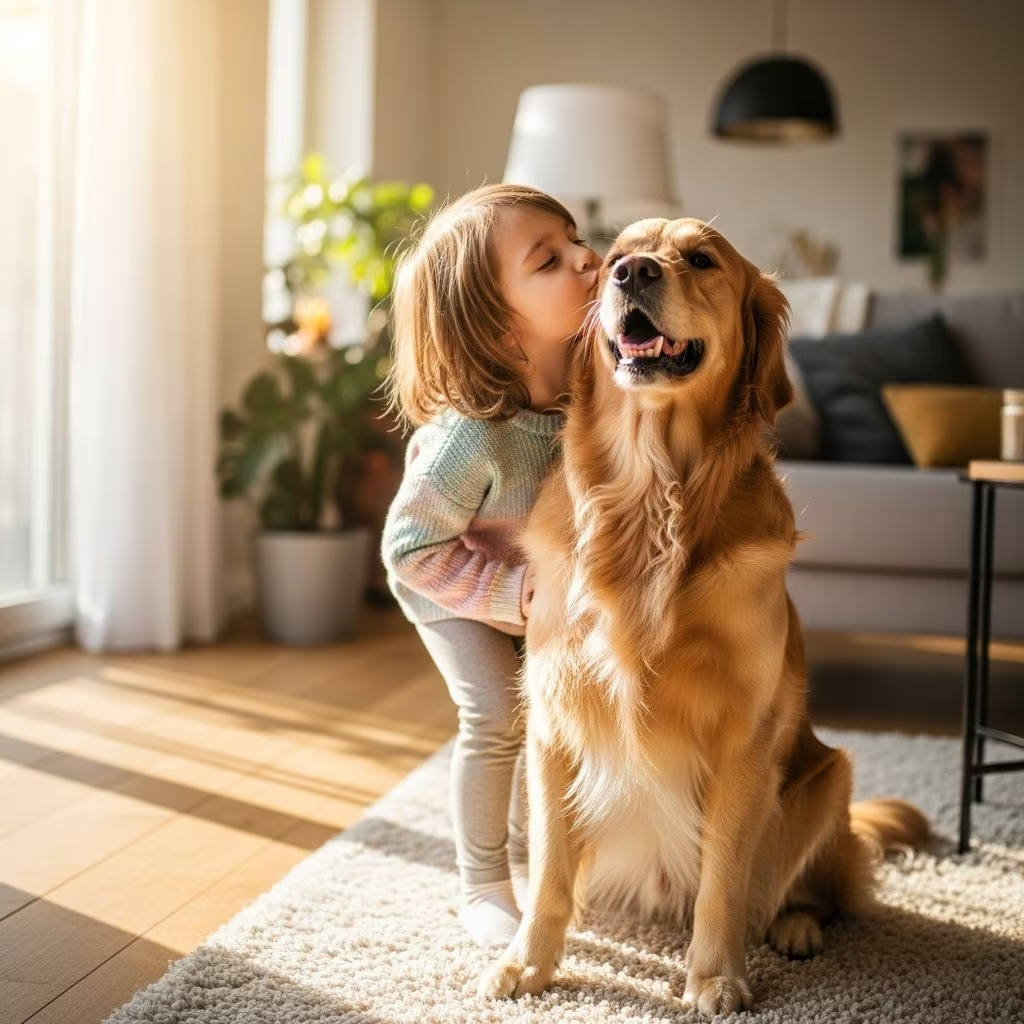
When we lean in to give our beloved dogs a kiss, we’re expressing one of the most fundamental ways humans show affection. Yet beneath this seemingly universal gesture lies a fascinating question: do our canine companions actually understand what we’re trying to communicate through a kiss? The answer, according to animal behaviorists and scientific research, is more nuanced than a simple yes or no.
The Fundamental Difference in Canine Communication
Dogs operate within their own rich system of communication that developed over thousands of years of evolution. This system relies heavily on scent, body posture, vocalizations, and facial expressions—but notably absent from normal dog-to-dog interactions is the human gesture of kissing. When dogs greet one another, they sniff faces, wag tails, play-bow, and use a complex array of physical signals to convey their intentions and emotions.
According to certified animal behaviorists, dogs do not naturally perform kissing behaviors among themselves or with other animals. This means that when a human leans in to kiss a dog on the face, the dog is encountering an action that falls entirely outside their instinctive behavioral repertoire. Rather than innately understanding this gesture as a token of love, dogs initially perceive it as simply an unfamiliar action—and sometimes, a potentially confusing or even threatening one.
The absence of kissing in dog-to-dog communication is significant because it highlights how species-specific our expressions of affection truly are. What we humans view as an obvious and universal symbol of love is, to a dog, simply a novel behavior that requires interpretation and learning.
How Dogs Learn to Associate Kisses With Positive Emotions
While dogs don’t inherently understand kisses, they are remarkably capable learners when it comes to associating human actions with outcomes. Dogs possess exceptional observational skills and can quickly link specific behaviors with rewards, emotions, or consequences. This is where the story of dogs and kisses becomes more hopeful and interesting.
When we kiss our dogs, we typically don’t do so in isolation. Instead, we pair the kiss with other positive signals: our voice elevates to a happy, excited tone; our body language becomes animated and affectionate; we often follow the kiss with petting, cuddles, or treats. Dogs, being highly attuned to human emotions and behavioral patterns, begin to recognize these associated signals. Over time and with repeated exposure, many dogs learn to connect the act of being kissed with the positive feelings and rewards that typically follow.
This learning process doesn’t mean the dog understands a kiss the way a human does—as a symbol of romantic love or deep affection. Rather, the dog learns that kisses are a precursor to good things happening. The dog’s brain begins to predict that when their human’s face comes close and they feel the sensation of lips, pleasant experiences are likely to follow.
This distinction is crucial: dogs don’t understand the emotional significance or cultural meaning of a kiss, but they can absolutely learn to recognize it as a positive interaction. It’s a form of behavioral conditioning that works because dogs are motivated by the consequences of actions, not by abstract concepts of love.
Individual Differences in How Dogs Respond to Kisses
Not every dog welcomes kisses, and this important variation deserves serious consideration from dog owners. Just as individual humans have different preferences for physical affection, dogs display remarkable diversity in their comfort levels with human kissing.
Several factors influence whether a particular dog will tolerate or enjoy being kissed:
- Early socialization experiences: Puppies raised in environments where they receive gentle, consistent physical affection from humans tend to be more accepting of kisses as they mature. Conversely, dogs with limited early exposure to human touch may feel more apprehensive or defensive when a face approaches theirs.
- Prior trauma or negative associations: Dogs with histories of rough handling, abuse, or other negative experiences involving facial contact may interpret kisses as threatening regardless of the owner’s intentions.
- Breed tendencies: While individual personality matters more than breed, some breeds have been selectively bred for traits like independence or wariness, which can influence their receptiveness to close facial contact.
- Personality and temperament: Some dogs are naturally more affectionate and physically demonstrative, while others are more reserved and prefer distance. These personality traits are relatively stable throughout a dog’s life.
- Current emotional state: A dog’s willingness to accept kisses may vary depending on their stress level, health status, or current emotional state. A dog feeling unwell or anxious may reject affection they would normally tolerate.
Understanding Canine Body Language and Comfort Signals
The key to respectful interaction with our dogs lies in learning to read and interpret their body language. Dogs communicate their comfort or discomfort through a sophisticated system of physical signals that we can learn to recognize and respect.
Signs your dog tolerates or enjoys kisses include:
- Leaning into you or moving closer as you approach
- Tail wagging in a relaxed, rhythmic pattern
- Relaxed facial muscles and soft eyes
- Returning affection with gentle licks
- Seeking continued contact or remaining still to receive the kiss
- Overall loose and comfortable body posture
Signs your dog feels uncomfortable or stressed include:
- Turning their head away or avoiding eye contact
- Pulling back or creating distance
- Ears pinned back against the head
- Lip licking or yawning—subtle stress signals dogs use to self-soothe
- Rigid or tense body posture
- Tail tucked between legs or held low
- Visible tension in facial muscles
- Attempting to move away from you
Understanding these signals is essential because a dog approaching their owner’s face can be perceived as a threat within the dog’s natural behavioral framework. Direct eye contact and close facial proximity—common precursors to confrontation in dog-to-dog interactions—can trigger anxiety or defensive responses. This is why some dogs, despite being loved and well-cared-for, simply don’t enjoy being kissed on the face.
The Role of Socialization in Shaping Affection Preferences
Socialization represents one of the most powerful influences on how dogs respond to human affection throughout their lives. The critical period for socialization occurs primarily during a dog’s puppyhood, typically between 3 and 14 weeks of age. During this window, puppies are particularly receptive to new experiences, and their brains are actively forming associations between stimuli and outcomes.
Puppies exposed to gentle human touch, positive interactions, and varied forms of physical affection during this critical period tend to develop more accepting attitudes toward human contact throughout their lives. When these experiences are paired with rewards—treats, praise, play, or other positive outcomes—puppies learn that human touch is a predictor of good things.
However, socialization continues beyond puppyhood. Even adult dogs can learn new associations through consistent, positive exposure. A dog that initially feared kisses might gradually become more accepting if kisses are repeatedly paired with rewards and never involve force or coercion. This process requires patience and respect for the dog’s pace of learning.
Conversely, dogs with limited socialization or those from rescue situations with unknown histories may require more time to acclimate to human affection, including kisses. Respecting their boundaries while offering gentle, positive experiences can help build trust over time.
The Science of Canine Emotions and Bonding
Recent scientific advances have revealed that dogs experience genuine emotional connections with their human companions. When dogs interact positively with humans they trust, their brains release oxytocin—the same hormone associated with bonding and attachment in humans. This neurochemical response demonstrates that dogs are not simply responding mechanically to stimuli but are experiencing genuine emotional states.
Dogs also possess the ability to recognize and respond to human emotional displays. They can detect changes in our facial expressions, interpret our vocal tones, and even recognize our individual body odors. This emotional intelligence means that dogs are sensitive to our feelings and intentions, even if they don’t interpret specific gestures the same way we do.
This capacity for emotional bonding doesn’t necessarily translate to understanding kisses, however. A dog might deeply love their owner and trust them completely while still finding facial kisses uncomfortable or confusing. Love and comfort with physical affection are related but distinct concepts.
Alternative Ways Dogs Show and Receive Affection
Rather than focusing exclusively on human-style affection like kisses and hugs, understanding and respecting a dog’s natural modes of communication strengthens the human-canine bond. Dogs have their own rich vocabulary of affection that we can learn to recognize and reciprocate:
| Dog’s Affection Method | What It Means | How to Reciprocate |
|---|---|---|
| Tail Wagging | Excitement and positive emotion | Engage in play, use happy voice tone |
| Face Licking | Affection and submission | Gently pet them or return soft licks on their head |
| Leaning Against You | Seeking comfort and closeness | Provide gentle petting and verbal reassurance |
| Play Bowing | Invitation to interact and play | Engage in appropriate play activities |
| Nuzzling | Affection and marking you as family | Respond with calm, gentle petting |
| Excited Greetings | Joy at seeing you | Return enthusiasm with positive interaction |
By honoring these natural expressions of canine affection, we create a communication system grounded in mutual understanding. Rather than imposing our human expressions of love onto our dogs, we meet them in their emotional language.
Building Respect-Based Relationships With Your Dog
The concept of consent is increasingly recognized as central to healthy human-animal relationships. Just as we would respect a friend’s preference not to be hugged, respecting a dog’s preference regarding physical affection—including kisses—strengthens trust and reduces stress.
This doesn’t mean never expressing affection physically; rather, it means paying close attention to your individual dog’s signals and adjusting your behavior accordingly. A dog that pulls away from kisses might still deeply enjoy being petted, having their ears gently rubbed, or receiving treats and praise.
When we prioritize a dog’s comfort and boundaries, we communicate respect. This creates a foundation of trust that actually deepens the bond more than forcing unwanted physical affection ever could. Dogs whose preferences are respected tend to seek out and trust their humans more fully.
Practical Tips for Expressing Love to Your Dog
If your dog does enjoy kisses, continue to pair them with positive experiences and always watch for signs of discomfort. If your dog doesn’t enjoy kisses, consider these alternative ways to show affection:
- Offer treats during positive interactions
- Engage in regular play sessions tailored to your dog’s interests
- Provide calm, gentle petting in areas your dog enjoys (many dogs prefer petting on the chest or sides rather than the top of the head)
- Spend quality time together in activities your dog loves
- Use a warm, affectionate tone of voice when speaking to your dog
- Learn and respond to your dog’s specific signals for wanting attention
- Respect your dog’s need for personal space and independence
Frequently Asked Questions
Can all dogs learn to accept kisses?
Not all dogs will learn to accept or enjoy kisses. Individual temperament, past experiences, breed characteristics, and personality all play significant roles. While some dogs can learn to tolerate kisses through consistent positive reinforcement, others may never become comfortable with this form of interaction. The key is respecting your dog’s individual preferences rather than assuming all dogs should enjoy what humans do.
What should I do if my dog shows discomfort with kisses?
If your dog displays signs of stress or discomfort when you lean in for a kiss, the most respectful response is to stop and redirect to forms of affection your dog does enjoy. Forcing unwanted physical contact can damage trust and increase anxiety. Some dogs prefer verbal praise, treats, petting, or play to facial kisses.
Why does my dog lick me back when I kiss them?
When a dog licks you after being kissed, they may be responding to the sensation, reciprocating what feels like friendly interaction, or simply enjoying the attention. This doesn’t necessarily mean the dog fully understands or loves kisses as humans do—it may simply indicate the dog has learned to associate the interaction with positive outcomes.
Is it safe to kiss my dog on the mouth?
From a health perspective, kissing a dog on the mouth carries risks of transferring bacteria or parasites. Most veterinarians recommend avoiding mouth-to-mouth contact. Additionally, some dogs find this particularly intrusive and may become defensive. Kissing on the head or other areas of the body poses fewer health risks and may be more comfortable for your dog.
How can I tell if my dog loves me if they don’t like kisses?
A dog’s love isn’t measured by their willingness to accept kisses. Dogs demonstrate affection through many behaviors: staying close to you, tail wagging, seeking your attention, responding to your moods, protecting you, and showing excitement at your return. These are all authentic expressions of canine love and attachment.
References
- Do Dogs Understand Kisses? What The Science Tells Us — Dogster. 2025. https://www.dogster.com/lifestyle/do-dogs-understand-kisses
- Do Dogs Like Kisses on Their Head? Understanding Canine Affection — Houndsy. 2025. https://www.houndsy.com/blogs/modern-tails/do-dogs-like-kisses-on-their-head-understanding-canine-affection
- Do Dogs Like It When You Hug or Kiss Them? — Fitwarm. 2025. https://www.fitwarm.com/blogs/news/do-dogs-like-it-when-you-hug-or-kiss-them
- Do Dogs & Cats Know We Love Them? — VCA Animal Hospitals. https://vcahospitals.com/resources/behavior-dog/communication/how-pets-know-we-love-them



