

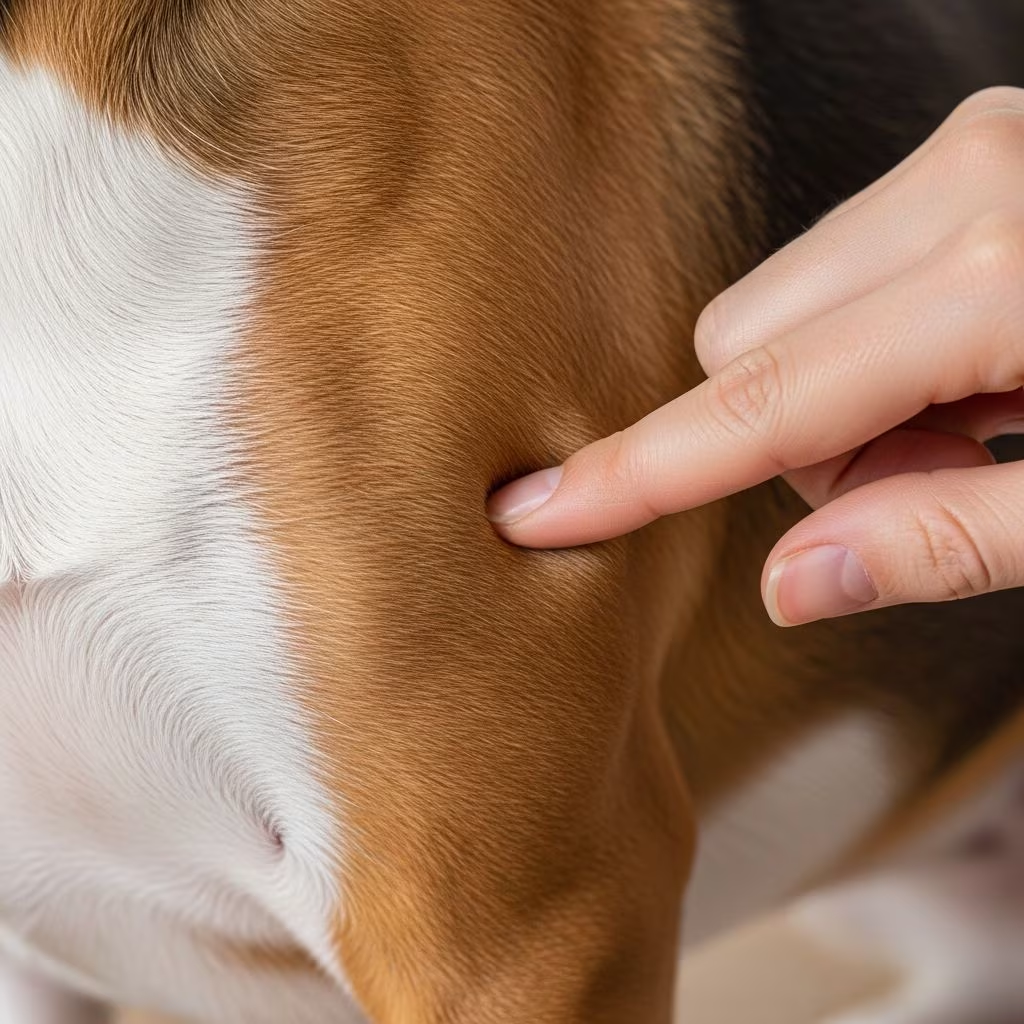
Many dog owners notice their pets reacting with sudden twitches, scratches, or jerks when specific areas of skin are touched. This involuntary response, often called the skin twitch reflex, serves as a protective mechanism but can signal underlying issues ranging from minor irritations to medical conditions needing attention.
The Science Behind the Skin Twitch Reflex
Dogs possess a heightened sensory system in their skin, particularly along the back, sides, and base of the tail. When stimulated, nerves trigger rapid muscle contractions to flick away potential threats like insects. This reflex, similar to a human knee-jerk, is hardwired for survival but becomes exaggerated if irritated.
In healthy dogs, a light touch might elicit a mild ripple or shake. However, persistent or intense twitching suggests hypersensitivity, where normal sensations feel amplified, prompting excessive responses.
Common Parasitic Culprits Causing Twitches
Parasites top the list of reasons for skin twitching in dogs. Fleas, the most frequent offenders, inject saliva during bites that contains proteins triggering allergic reactions in sensitive dogs. Even a single flea can provoke intense itching, leading to twitching across the back, thighs, and tail base.
- Flea Allergy Dermatitis (FAD): Affects up to 40% of itching dogs; symptoms include hair loss, red lesions, and frantic scratching.
- Mites and Ticks: Sarcoptic mange from mites causes severe crusting and twitching; ticks provoke localized spasms.
- Diagnosis Tip: Part the fur to check for flea dirt (black specks turning red with water) or use a flea comb.
Treatment involves thorough flea control with vet-recommended topicals or orals, alongside environmental cleaning to break the life cycle.
Allergic Reactions and Environmental Triggers
Beyond parasites, allergies to pollen, dust mites, mold, or grasses cause atopic dermatitis, the second most common skin issue in dogs. These environmental allergens provoke chronic itching, making skin hypersensitive to touch and resulting in twitching or rolling behaviors.
| Allergen Type | Common Symptoms | Affected Areas |
|---|---|---|
| Flea Saliva | Intense itch, twitching at base of tail | Back, thighs |
| Pollen/Dust | Chronic paw licking, ear infections | Face, paws, belly |
| Food (e.g., beef, chicken) | GI upset plus skin twitching | Generalized |
Food allergies, though less common, often involve proteins and pair skin twitches with vomiting or diarrhea. Elimination diets lasting 8-12 weeks confirm triggers.
Muscle and Nerve-Related Spasms
Not all twitches stem from skin irritation; some originate deeper in muscles or nerves. Overexertion during play fatigues hind leg muscles, causing spasms that worsen with touch. Dehydration or electrolyte imbalances from hot weather exacerbate this.
- Hip Dysplasia or Arthritis: Joint pain leads to protective muscle tightening, twitching on palpation.
- Shaker Syndrome: Idiopathic tremors affect small breeds, causing generalized shaking intensified by touch.
- Myoclonus: Involuntary contractions from nerve disorders mimic touch-induced jerks.
These differ from skin reflexes as they persist without direct contact and may involve limping or reluctance to move.
Pain Signals Masquerading as Twitches
Dogs in pain often twitch to guard sore spots. Spinal issues, injuries, or growing pains in puppies trigger spasms when touched. Arthritis in seniors causes similar reactions, with dogs shifting weight abruptly.
Observe for accompanying signs: whining, guarding limbs, or reduced activity. Veterinary exams, including X-rays, pinpoint sources like disc disease or fractures.
Toxic Exposures and Medication Side Effects
Toxins disrupt nerve function, inducing tremors or spasms. Common culprits include chocolate, xylitol, pesticides, and overdoses of flea preventives like isoxazoline products (e.g., NexGard). These cause whole-body twitching, worsened by touch.
Metabolic imbalances, such as low blood calcium post-whelping (eclampsia) or hypoglycemia, also provoke diffuse spasms. Immediate vet intervention is critical, often involving IV fluids and decontamination.
Neurological Disorders to Rule Out
Serious conditions like epilepsy, distemper, or strokes manifest as jerking. White shaker syndrome in small breeds causes head tremors escalating with stimulation. Distinguish these by their rhythmic, non-localized nature versus focal skin twitches.
When to Seek Veterinary Help
Monitor twitch frequency, duration, and spread. Benign reflexes are brief and localized. Worry if:
- Twitching spreads to legs or face.
- Accompanied by lethargy, vomiting, or seizures.
- Hair loss, sores, or odor present.
- Persists despite parasite prevention.
Vets use skin scrapes, allergy tests, bloodwork, and imaging for diagnosis. Early action prevents complications like infections.
Home Management and Prevention Strategies
While awaiting vet advice:
- Bathe with hypoallergenic shampoos to soothe skin.
- Ensure flea-free environments with monthly preventives.
- Maintain hydration and balanced diet to avoid metabolic issues.
- Use cone collars to halt self-trauma.
Long-term, hypoallergenic diets, immunotherapy for atopy, or pain meds control symptoms effectively.
FAQs on Dog Skin Twitching
Is skin twitching always a flea problem?
No, while fleas are common, allergies, pain, or neurological issues can mimic it. Comprehensive vet checks are essential.
Can diet cause my dog to twitch when touched?
Yes, food allergies trigger skin hypersensitivity. Switch to novel protein diets under vet guidance.
What if twitching only happens at night?
Nighttime flea activity or anxiety amplifies it. Check for parasites and reduce stressors.
Do all breeds twitch the same way?
No, small breeds prone to shakers; large ones to dysplasia-related spasms.
Is twitching dangerous for puppies?
Growing pains common, but rule out distemper or hypoglycemia promptly.
References
- My Pet Has That Itchy Twitchy Feeling — Palm City Animal Clinic. 2023-05-15. https://palmcityanimalclinic.com/my-pet-has-that-itchy-twitchy-feeling/
- What Causes Muscle Spasms in Dogs’ Hind Legs? — K9 Carts. 2024-02-20. https://k9carts.com/blogs/resources/muscle-spasms-in-dogs-hind-legs
- Why Is My Dog Jerking? 9 Reasons Why — Zigzag. 2023-11-10. https://zigzag.dog/en-us/blog/puppy-behavior/understanding-your-puppy/why-is-my-dog-jerking/
- Dog Muscle Spasms: Common Causes and When To Call Your Vet — PetMD. 2025-01-15. https://www.petmd.com/dog/symptoms/dog-muscle-spasms
- Why is My Dog Jerking Every Few Seconds — Main Street Vet Center. 2024-08-05. https://mainstreetvetcenter.com/blog/why-is-my-dog-jerking-every-few-seconds/
- Why is My Dog Shaking? 6 Reasons for Trembling or Shivering — Port City Vet. 2024-03-12. https://www.portcityvet.com/blog/why-is-my-dog-shaking
- Dog Muscle Spasms — WagWalking. 2023-09-22. https://wagwalking.com/condition/muscle-spasms



