

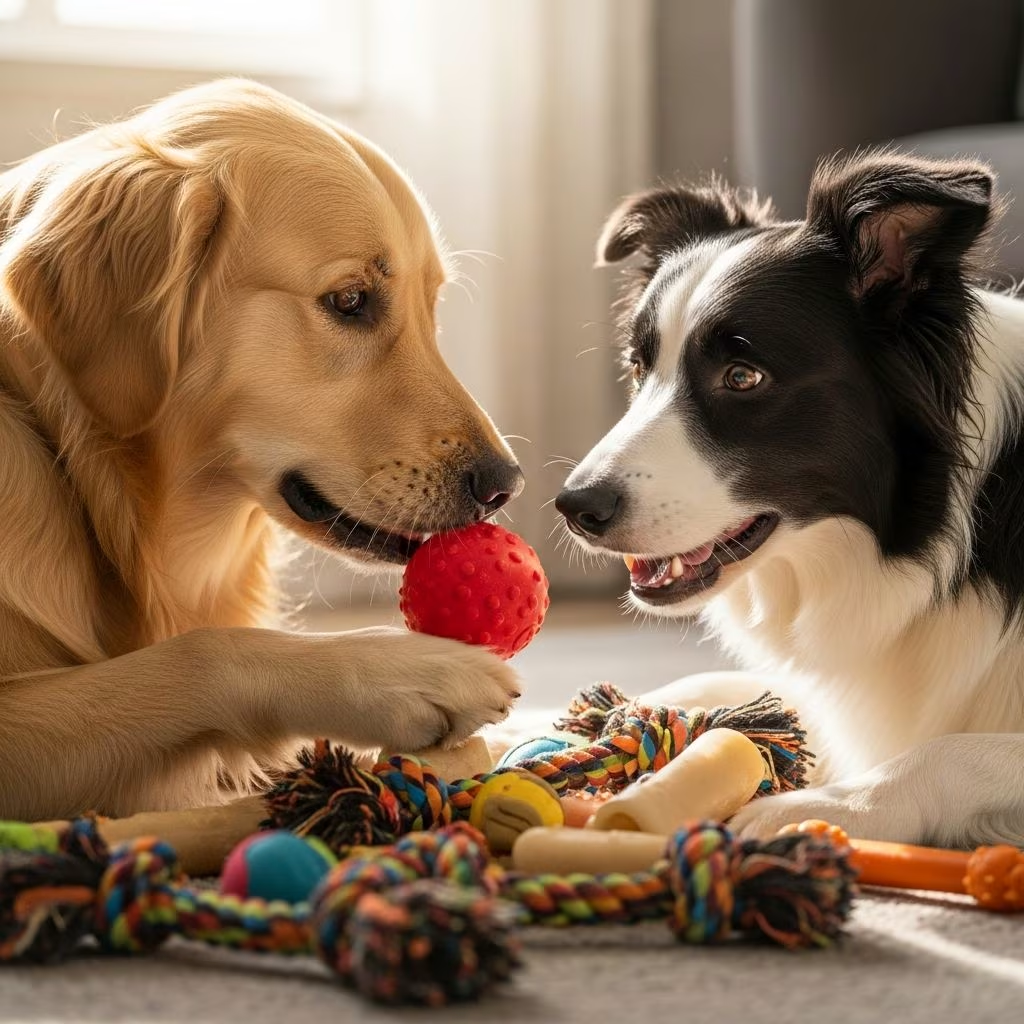
In multi-dog households, toy-related tensions can disrupt the peace. Resource guarding, a natural instinct where dogs protect valued items like toys, often leads to standoffs or conflicts during play. Understanding this behavior rooted in survival helps owners intervene effectively. This guide explores why dogs hoard toys, how to recognize warning signs, and step-by-step training protocols using positive reinforcement to encourage voluntary sharing and relaxed coexistence.
Decoding Resource Guarding Instincts
Dogs evolved in environments where food, toys, and shelter were scarce, prompting protective responses toward high-value possessions. A toy might represent prey or a comfort item, triggering a freeze, growl, or snap when approached. Mild signals like a stiff posture or lip curl are communication attempts; ignoring them risks escalation. In homes with multiple pets, this can strain relationships, but it’s modifiable through consistent training.
- Natural vs. Problematic: Brief stares or body blocks between socially adept dogs are normal if respected; aggression signals deeper issues.
- Triggers: High-arousal play, fatigue, or newcomer introductions amplify guarding.
- Breeds Prone: Herding and terrier types may show stronger tendencies due to breeding history.
Spotting Early Warning Signals
Observing canine body language prevents incidents. Key indicators include ears pinned back, whale eye (whites visible), tucked tail, or hovering over items. During fetch, a dog might speed away or snap if another nears the ball. Proactive monitoring during high-energy sessions allows timely intervention, averting bites or fights.
| Behavior | Meaning | Response |
|---|---|---|
| Hard stare or freeze | Boundary setting | Back off, reward calm retreat |
| Growl or lip lift | Escalating discomfort | Separate calmly, no punishment |
| Snap or lunge | High threat | Professional help immediately |
Building Trust Through Solo Exchanges
Start training alone to teach “drop it” or “give,” creating positive associations with relinquishing items. Select a moderate-value toy your dog enjoys but won’t fiercely defend. Hold a superior treat near their nose; as they open to sniff, say “drop” when the toy falls. Immediately reward, then return the toy. Repeat 5-10 times daily, fading treats gradually.
- Practice with varied toys: balls, ropes, chews.
- Extend to food bowls: Approach during meals, drop treats to link humans with abundance.
- Aim for 80% success before group scenarios.
This foundation ensures dogs view handlers as sources of better rewards, reducing human-directed guarding.
Pairing Pets for Cooperative Play
Transition to inter-dog sharing via structured games. For two-dog homes, use leashes or gates initially if history suggests tension. Employ the “sharing game”: Sit both dogs apart, offer a toy to one, then immediately to the other with treats. Toggle rapidly to build momentum, watching for joyful tails and relaxed postures.
- Toy Toggle: Use duplicates; pass between dogs calmly, rewarding each interaction.
- Intensity Ramp: Begin low-energy, slowly increase play vigor one variable at a time.
- Chew Sessions: Hold separate chews, gradually closing distance if calm.
Exercise beforehand with solo flirt pole play to burn energy, keeping sessions under 5 minutes for focus.
Environmental Tweaks for Success
Management minimizes rehearsal of bad habits. Remove contested toys during unsupervised time, feed separately, and provide abundant low-stakes items. Introduce multi-dog toys like long tug ropes to shift focus from possession to joint fun. Daily routines matter: 45 minutes walking, 20-40 minutes running or agility, plus mental puzzles enhance overall relaxation.
Advanced Techniques for Stubborn Cases
For persistent guarders, teach alternative behaviors. Train the non-guarding dog to retreat on cue when the possessive one claims a toy, reinforcing safety. Conversely, cue the guarder to “place” or “go bed” for a chew. Professional input from certified trainers accelerates progress, especially with aggression history.
Quick Wins
- Pockets full of treats during playdates.
- One-dog-at-a-time fetch initially.
- Video sessions to self-assess body language.
Common Hurdles and Fixes
New puppies often spark veteran dogs’ defensiveness. Counter by equalizing resources and supervised intros. Overstimulation leads to regressions; shorten play, insert breaks. If progress stalls, rule out medical pain via vet check—arthritis can heighten irritability.
FAQs
Is some possessiveness normal?
Yes, polite signals like stares are fine if heeded; intervention needed only for escalation.
How long until sharing improves?
Weeks to months with daily 10-minute sessions; consistency key.
What if my dog growls at me?
Never punish; use trade-up method and consult behaviorist.
Can all dogs learn to share?
Most can with positive methods; severe cases may need lifelong management.
Best toys for sharing?
Durable tugs, large balls; avoid single-chew singles.
Long-Term Harmony Strategies
Sustain gains with ongoing reinforcement. Rotate toys to prevent fixation, host controlled playdates, and monitor stress. Celebrate milestones like peaceful toy pile-ups. Balanced packs thrive on equity, turning rivals into romp partners.
References
- How to Teach Your Dog to Share — Chewy. 2023-05-15. https://www.chewy.com/education/dog/training-and-behavior/training-training-tips-how-to-teach-your-dog-to-share
- The Sharing Game — Courteous Canine. 2022-11-10. https://www.courteouscanine.com/the-sharing-game/
- Can’t We All Just Get Along? How to Teach Your Dogs to Share — Steve Brooks K9U. 2024-03-22. https://www.stevebrooksk9u.com/cant-we-all-just-get-along-how-to-teach-your-dogs-to-share/
- Teaching Toy Sharing — Loving Pets Products. 2023-08-07. https://lovingpetsproducts.com/blog/teaching-toy-sharing/
- Pet Behavior Guidelines: Resource Guarding — ASPCA (via aggregated expert protocols). 2025-01-12. https://www.aspca.org/pet-care/dog-care/common-dog-behavior-issues/resource-guarding



