

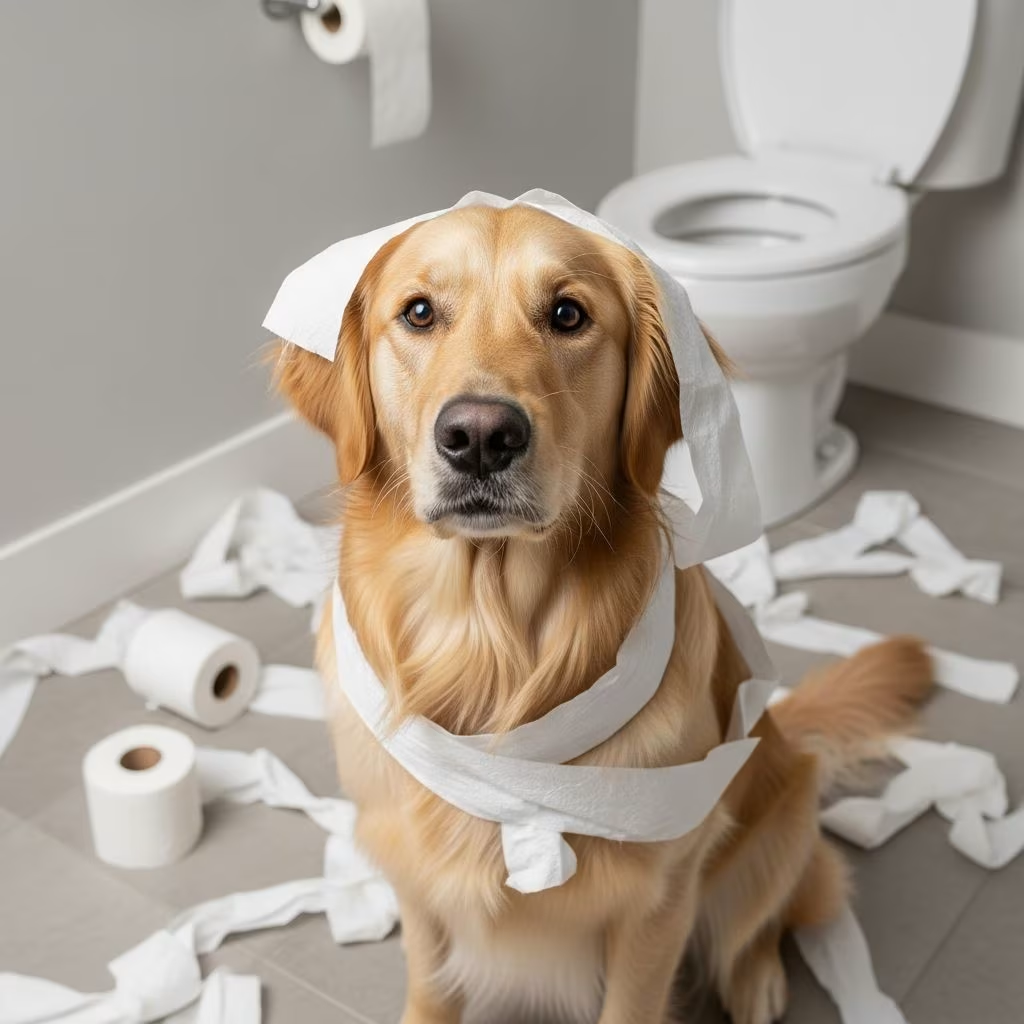
Toilet paper rolls disappearing or scattered across the floor is a common sight for many dog owners. This quirky behavior stems from a mix of natural instincts, developmental needs, emotional states, and potential health issues. Understanding these drivers helps pet parents intervene effectively, preventing harm and fostering better habits.
Unraveling the Instinctual Pull
Dogs often approach toilet paper driven by primal urges. The soft, shreddable texture mimics prey like fur or feathers, triggering an innate desire to tear and mouth it. This sensation provides satisfaction similar to hunting small game, where pulling and unraveling feels rewarding.
Adult dogs retain these predatory play instincts, turning bathroom supplies into impromptu toys. The roll’s ability to spin and unroll amplifies the fun, creating a dynamic play experience that keeps them engaged longer than static objects.
Developmental Stages and Chewing Needs
Puppies frequently target toilet paper during teething phases. Emerging adult teeth cause discomfort in their gums, and the paper’s softness offers temporary relief through gnawing. This phase typically peaks between 3 to 6 months but can persist if not redirected.
- Signs of teething include drooling, pawing at the mouth, and selective chewing on soft items.
- Providing safe alternatives like frozen chew toys can ease pain without risking household items.
Even beyond puppyhood, some dogs chew paper to explore textures, using their mouths as primary sensory tools to navigate their world.
Emotional and Environmental Triggers
Boredom ranks high among culprits. Dogs with insufficient mental or physical stimulation seek outlets for pent-up energy. Toilet paper becomes an accessible, entertaining distraction, especially in understimulated environments.
Anxiety or stress from changes like new household members, loud noises, or owner absences can prompt destructive chewing as a self-soothing mechanism. Similarly, attention-seeking plays a role: even scolding provides interaction, reinforcing the behavior inadvertently.
| Trigger | Common Signs | Quick Fixes |
|---|---|---|
| Boredom | Random destruction, pacing | Daily walks, puzzle toys |
| Anxiety | Whining, hiding, shredding | Calming routines, vet check |
| Attention-Seeking | Behavior only when noticed | Ignore bad acts, reward good |
Nutritional and Medical Factors
Deficiencies in diet can lead dogs to crave non-food items. Insufficient iron, zinc, or overall calories may drive them toward paper as a misguided attempt to fulfill needs. Gastrointestinal issues, diabetes, or parasites like worms heighten hunger, making bland paper appealing.
Pica represents a more serious concern: a disorder where dogs compulsively ingest inedibles. Linked to anemia, nutritional gaps, or behavioral issues, it demands veterinary attention. Blood tests often reveal underlying causes like low mineral levels.
- Symptoms of pica: Persistent eating of rocks, fabric, or paper despite access to food.
- Risk factors: Poor diet history, breed predispositions (e.g., Labradors).
Health Dangers of Paper Consumption
Occasional nibbles may pass harmlessly, but regular intake poses severe threats. Indigestible fibers cause vomiting, diarrhea, constipation, or lethargy as the gut struggles.
Worse, wads can form blockages (intestinal obstructions), requiring emergency surgery. Symptoms include abdominal bloating, appetite loss, pain, and weight decline. Dyed or scented papers add toxicity risks, irritating the digestive tract or worse.
One case involved a dog needing surgery after ingesting a hooked item hidden in mail, underscoring hidden perils beyond plain rolls.
Immediate Prevention Tactics
Start with environmental control. Close bathroom doors, store spares in locked cabinets, and use tamper-proof dispensers that block paw access.
- Install child-proof locks on cabinets.
- Opt for vertical holders that minimize spinning.
- Supervise during bathroom visits.
Cleanup reduces temptation: promptly discard used paper and secure trash bins to eliminate tasty remnants from food-soiled napkins.
Long-Term Training Strategies
Address root causes through enrichment. Increase exercise with 30-60 minute daily walks, incorporating fetch or agility games to burn energy.
Mental stimulation via puzzle feeders, scent games, or obedience training prevents idle mischief. For attention-seekers, ignore the act entirely—turn away without reaction—while rewarding calm behaviors lavishly.
Positive reinforcement shines: Teach “leave it” by offering high-value treats when they disengage from paper. Practice in low-distraction settings, gradually increasing challenges.
- Hold a treat out of sight.
- Present paper; say “leave it” firmly.
- Reward compliance instantly.
Veterinary Guidance and Next Steps
Consult a vet promptly if eating persists or accompanies symptoms like weight loss or unusual stools. Exams, bloodwork, or fecal tests pinpoint issues like pica or deficiencies. Treatments may include dietary shifts, supplements, or anxiety meds.
Rule out medical problems first, as behavioral fixes fail without health baselines. Post-diagnosis, combine vet advice with home strategies for best results.
Frequently Asked Questions (FAQs)
Is it normal for dogs to eat toilet paper?
Occasionally, yes, due to curiosity or play. Persistent cases signal deeper issues needing intervention.
Can toilet paper kill my dog?
Not instantly, but blockages can be fatal without surgery. Monitor closely and prevent access.
How do I train my puppy to stop?
Redirect to teething toys, use “leave it” commands, and ensure ample playtime.
What if my dog ate a whole roll?
Watch for distress signs; contact a vet or pet poison hotline immediately.
Does breed matter?
High-energy breeds like Labs or herders are prone due to boredom, but any dog can develop the habit.
Building a Paper-Proof Home
Transform your space proactively. Designate dog-free zones like bathrooms, enrich play areas with durable toys, and maintain routines. Consistency yields results within weeks.
Track progress: Note incidents daily, adjusting tactics as needed. Celebrate milestones, like a clean week, with extra affection or outings.
References
- Why Does My Dog Eat Toilet Paper? — American Kennel Club. 2023-05-15. https://www.akc.org/expert-advice/training/dog-eats-toilet-paper/
- Eating Toilet Paper: Is Your Dog on a Roll? — Zebra CBD. 2024-02-10. https://zebracbd.com/blogs/cbd-dog-blog/dogs-eat-toilet-paper
- Why Do Dogs Eat Toilet Paper and Paper Products? — Pet Professional Guild. 2023-08-22. https://www.petprofessionalguild.com/barks/barks-magazine-blog/why-do-dogs-eat-toilet-paper-and-paper-products/
- Pica in Dogs — PetMD. 2024-11-05. https://www.petmd.com/dog/conditions/behavioral/pica-dogs
- What Is Pica in Dogs? Causes, Symptoms, and Treatment — GoodRX. 2025-03-12. https://www.goodrx.com/pet-health/dog/pica-in-dogs-causes



