

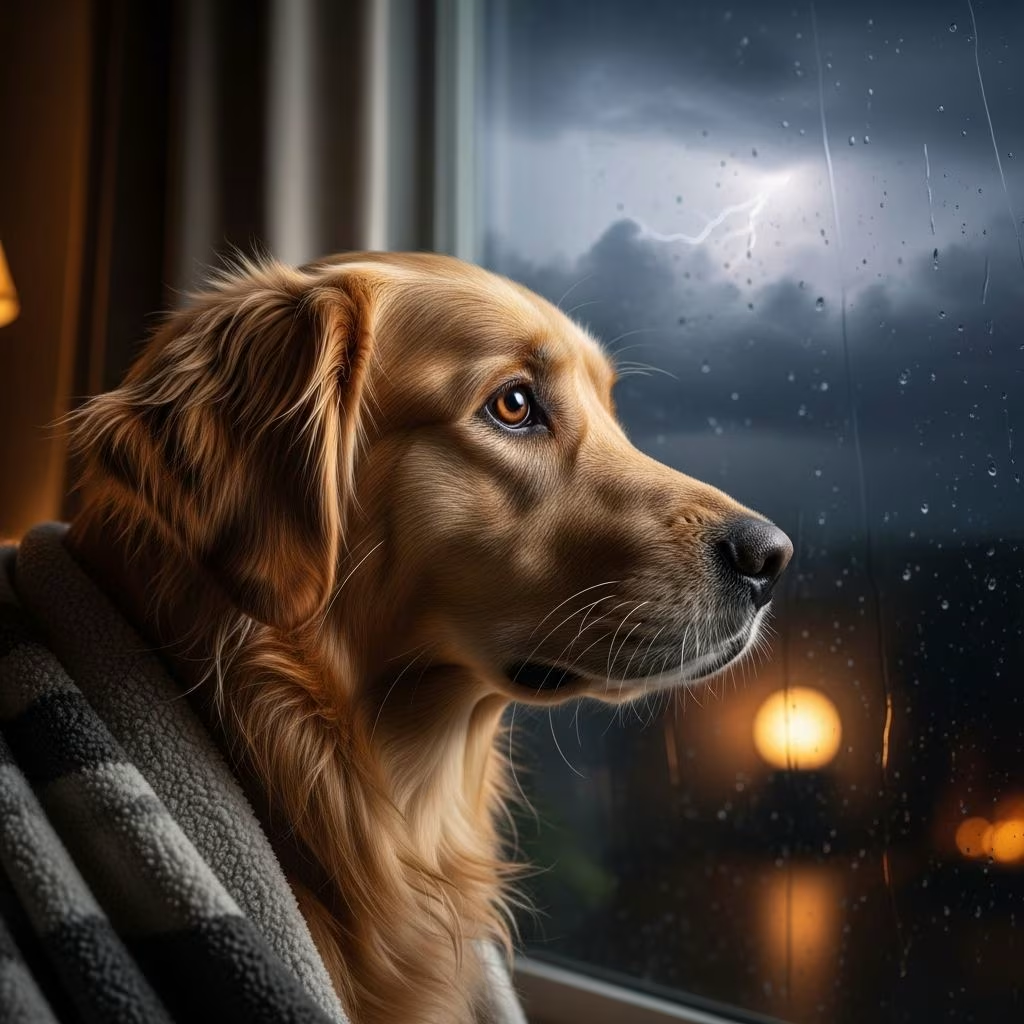
Thunderstorms can transform a peaceful day into a nightmare for many dogs, triggering intense fear responses that leave pet owners searching for solutions. This common issue, affecting up to 40% of dogs, stems from a mix of sensory overload, environmental cues, and genetic factors. Understanding these triggers is the first step toward helping your furry companion weather the storm calmly.
The Science Behind Canine Storm Sensitivity
Dogs perceive thunderstorms differently from humans due to their heightened senses. Their superior hearing detects low-frequency rumbles from distant thunder long before we do, often building anticipation of the main event.
Changes in barometric pressure, a drop signaling an approaching storm, can unsettle dogs sensitive to atmospheric shifts. High winds, rain, and even the scent of ozone in the air contribute to pre-storm anxiety, creating a multi-sensory warning system unique to canines.
Static electricity buildup during storms is another culprit. Long-coated or larger breeds may accumulate charge in their fur, leading to mild shocks when touching metal objects like bowls or door frames. This uncomfortable sensation reinforces avoidance behaviors.
Recognizing Thunder-Related Distress in Dogs
Spotting the signs early allows for timely intervention. Common indicators include:
- Trembling or shaking: A physical manifestation of fear, often accompanied by a tucked tail.
- Panting excessively: Even in cool conditions, this signals stress rather than overheating.
- Pacing or restlessness: Dogs may circle endlessly or seek escape routes.
- Hiding behaviors: Crawling under furniture, behind appliances, or in bathrooms near plumbing for grounding.
- Vocalizations: Whining, howling, or barking in distress.
- Destructive actions: Chewing furniture or scratching doors during panic.
These reactions can escalate over time, worsening with repeated exposures if unaddressed, potentially leading to chronic anxiety.
Factors Influencing Storm Phobia Development
Not all dogs react equally; individual differences play a key role. Genetic predispositions are evident in herding breeds like Border Collies and Australian Shepherds, which show higher rates of noise phobias.
Lack of early socialization to storms during puppyhood heightens vulnerability. A single traumatic event, such as being left alone during a storm, can imprint lasting fear. Owner responses, if inconsistent, may unintentionally reinforce the phobia.
| Breed/Group | Phobia Risk Level | Key Traits |
|---|---|---|
| Herding Breeds (e.g., Border Collie) | High | Heightened sensitivity to sounds and changes |
| Hunting Breeds | Moderate | Reactive to environmental shifts |
| Companion Breeds | Variable | Depends on early experiences |
This table summarizes breed tendencies based on veterinary observations, highlighting why some dogs are more prone.
Health Impacts of Unmanaged Storm Anxiety
Prolonged fear takes a toll beyond behavior. Physiologically, dogs experience elevated cortisol levels, mimicking a 207% spike seen in studies with simulated storm sounds.
Escape attempts risk injuries: broken teeth from chewing through crates, cuts on paws from digging, or trauma from jumping fences. Respiratory distress from hyperventilation and gastrointestinal issues from stress-induced house soiling are common. In severe cases, chronic anxiety compromises immunity, raising infection risks.
Proven Strategies to Alleviate Dog Storm Fears
Management combines desensitization, environmental tweaks, and professional aids. Start with creating a safe haven: a quiet room with familiar bedding, white noise machines to mask thunder, and blackout curtains to block lightning flashes.
Counter-conditioning pairs storms with positives. Play soothing music or offer high-value treats during mild rumbles, gradually building tolerance. Pheromone diffusers mimicking calming maternal scents reduce overall anxiety.
For moderate cases, calming vests apply gentle pressure like a hug, signaling safety. Supplements with L-theanine or CBD (vet-approved) promote relaxation without sedation.
- Prepare in advance: Monitor weather apps and ready your dog’s safe space before storms hit.
- Stay calm: Your composed presence reassures without reinforcing fear—comfort is beneficial.
- Avoid punishment: Scolding heightens stress; focus on redirection.
- Exercise daily: Tire them out pre-storm to lower baseline anxiety.
Advanced Interventions for Severe Cases
When home methods fall short, consult a veterinary behaviorist. Prescription medications like fluoxetine or trazodone provide short-term relief during peak storm seasons. FDA-approved anxiety meds target serotonin pathways for lasting calm.
Systematic desensitization uses recorded storm sounds at low volumes, incrementally increasing intensity while rewarding calm. This rewires neural responses over weeks or months.
Behavior modification plans tailored by certified experts, incorporating tools like anxiety wraps and thunder shirts, yield high success rates. Tracking progress with journals helps refine approaches.
FAQs: Common Questions on Dog Thunder Phobias
Why do some dogs fear storms suddenly?
Sudden onset can link to pain from underlying health issues, negative associations, or aging changes like cognitive decline. A vet check rules out medical causes.
Does comforting my dog make it worse?
No—offering gentle reassurance does not reinforce fear; it provides security. Withholding comfort can intensify isolation.
Are certain breeds more affected?
Yes, herding and working breeds show genetic leanings, but any dog can develop it based on experiences.
How long does storm anxiety last post-storm?
Some dogs remain agitated for hours or days, as cues like humidity linger.
Can training eliminate the fear entirely?
While complete elimination is rare, training significantly reduces severity and improves quality of life.
Long-Term Prevention and Seasonal Prep
Build resilience year-round. Enroll in puppy classes exposing young dogs to varied sounds. For adults, gradual noise exposure via apps prevents sensitization. Summer prep includes storm simulations during calm weather.
Holistic aids like massage or aromatherapy complement behavioral work. Regular vet visits monitor for escalating issues, ensuring proactive care.
By addressing storm fears comprehensively, you empower your dog to face thunder with confidence, fostering a stronger bond through turbulent times.
References
- Why are Dogs Scared of Thunder? — Purina US. 2023. https://www.purina.com/articles/dog/behavior/understanding-dogs/why-are-dogs-scared-of-thunder
- Why Are Dogs Afraid of Thunderstorms? — Vets of the Rockies. 2024-06-15. https://vetsoftherockies.com/education/why-are-dogs-afraid-of-thunderstorms/
- Thunderstorm Phobias in Dogs: How to Manage Dog Storm Anxiety — PetMD. 2025-01-10. https://www.petmd.com/dog/conditions/behavioral/c_dg_thunderstorm_phobias
- Thunderstorm Phobia — Positively.com. 2023. https://positively.com/dog-training/article/behavior-problems-thunderstorm-phobia
- Dogs and Thunderstorms — Blue Cross. 2024. https://www.bluecross.org.uk/advice/dog/behaviour-and-training/dogs-and-thunderstorms
- Noise and Storm Phobias and Anxiety in Dogs — Today’s Veterinary Practice. 2024-03-20. https://todaysveterinarypractice.com/behavior/noise-storm-phobias-anxiety-in-dogs/



