

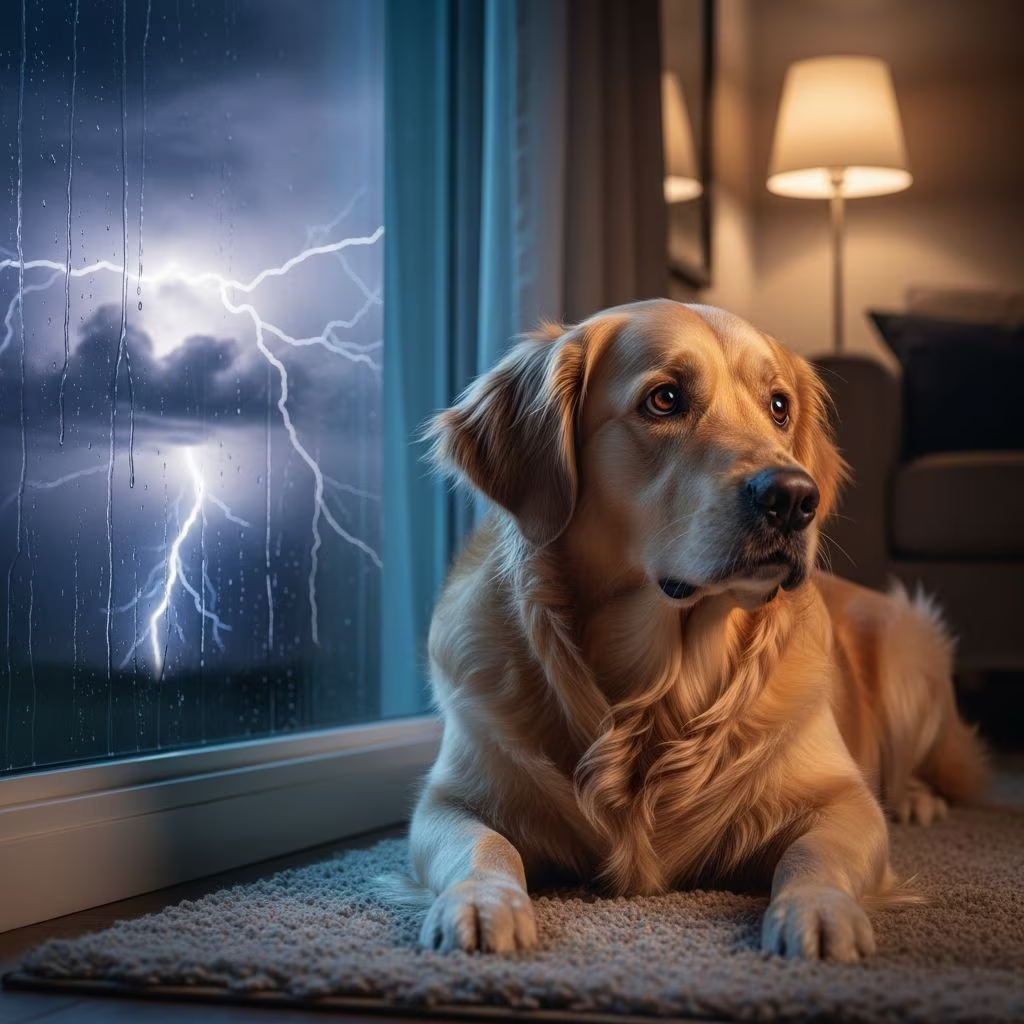
Thunderstorm phobia affects many dogs, manifesting as intense fear responses to storms that can disrupt their daily lives and well-being. This common issue involves not just the loud booms but a range of sensory cues, leading to behaviors from mild unease to severe panic. Owners often notice these reactions worsening over time without intervention, impacting the pet’s quality of life and household harmony.
Recognizing Storm Anxiety in Your Dog
Dogs display clear signals when thunderstorms trigger their anxiety, helping owners identify the problem early. These behaviors vary in intensity but share common patterns rooted in the fight-or-flight response.
- Panting and trembling: Excessive breathing and shaking indicate heightened stress levels, often starting before the storm peaks.
- Pacing or restlessness: Dogs may walk endlessly, unable to settle, showing their inner turmoil.
- Hiding or clinging: Seeking safety under furniture or pressing close to family members reflects a need for security.
- Vocalizations: Whining, barking, or howling express distress that echoes through the home.
- Destruction or elimination issues: Chewing doors, scratching walls, or indoor accidents stem from overwhelming panic.
- Physical signs: Drooling, dilated pupils, and rapid heartbeat signal acute fear.
These symptoms can appear suddenly or build gradually, sometimes linked to a dog’s age, breed, or past experiences. Herding breeds and rescues may be particularly prone due to genetic sensitivities or trauma.
Why Thunderstorms Terrify Dogs: Multi-Sensory Triggers
Thunder is just one piece of a complex puzzle; dogs perceive storms through multiple senses far more acutely than humans. Their superior hearing detects low-frequency rumbles miles away, while other factors amplify the fear.
| Trigger | Description | Dog Sensitivity |
|---|---|---|
| Sound | Thunderclaps, wind, rain | Hears infrasound humans miss |
| Visual | Lightning flashes, dark skies | React to sudden brightness changes |
| Smell | Ozone from strikes, wet earth | Keen olfactory detection |
| Pressure | Barometric shifts | Senses atmospheric changes early |
| Static | Electricity buildup | Fur picks up charges painfully |
Dogs often anticipate storms 15-30 minutes ahead via these cues, starting anxiety cycles before rain falls. A single negative event, like being trapped outside, can condition lifelong phobia through association.
The Hidden Health Toll of Storm Phobias
Unchecked anxiety takes a physical toll, elevating stress hormones and risking injury. Chronic fear raises cortisol, suppressing immunity and causing long-term issues.
- Heart and breathing: Elevated rates lead to exhaustion or collapse.
- Digestive upset: Appetite loss, vomiting, or diarrhea from stress.
- Injuries: Paws bleed from frantic digging; teeth crack on crates.
- Skin and muscles: Bruises, cuts from escape bids.
Sudden escalations may signal underlying pain, like spinal infections (discospondylitis), where thunder vibrations exacerbate discomfort, creating a pain-fear loop. Veterinary checks rule out arthritis, heart disease, or cognitive decline in seniors.
Step-by-Step Strategies to Calm Storm Fears
Effective management combines immediate relief with long-term desensitization, tailored to severity. Start with environmental tweaks and progress to professional help if needed.
Create a Safe Haven
Designate a quiet, fortified space like a bathroom or basement with blankets for sound muffling. Add white noise machines or fans to drown low rumbles.
Calming Aids and Products
- Compression garments: Vests like ThunderShirts apply gentle pressure, mimicking swaddling for 70-80% efficacy.
- Pheromone diffusers: Adaptil releases synthetic appeasing pheromones to reduce tension.
- Supplements: L-theanine, melatonin, or CBD (vet-approved) promote relaxation without drowsiness.
Behavioral Training Techniques
Counter-conditioning pairs storm cues with rewards. Play recordings at low volume, offering treats to build positive links. Desensitization gradually increases volume over weeks.
Tools like apps with storm sounds enable controlled exposure. Consistency yields results in 4-12 weeks for mild cases.
Medical Interventions
For severe phobias, vets prescribe anxiolytics like fluoxetine (long-term) or alprazolam (as-needed). FDA-approved options like Sileo (dexmedetomidine) target noise fears specifically. Always pair meds with behavior plans.
Prevention and Early Intervention Tips
Puppies socialized to noises via gentle exposures rarely develop full phobias. Monitor for early signs like ear flattening or avoidance, intervening promptly.
- Exercise daily to burn stress energy pre-storm.
- Maintain routines; distractions like puzzle toys divert focus.
- Avoid comforting fearful behaviors, as it reinforces anxiety.
Track episodes in a journal noting triggers and responses to refine strategies.
When to Seek Professional Help
If home efforts fail or symptoms include self-harm, aggression, or constant distress, consult a veterinary behaviorist. They assess for comorbidities and craft personalized protocols.
Recent studies show integrated approaches (training + meds) resolve 60-90% of cases effectively.
Frequently Asked Questions (FAQs)
Can all dogs outgrow thunder fear?
No, phobias often intensify without treatment, but training helps most dogs cope better.
Is medication safe for storm anxiety?
Yes, when vet-prescribed; short-term use minimizes side effects.
Why do some dogs fear storms suddenly?
Triggers include pain onset, trauma, or aging changes amplifying sensitivity.
Do breeds differ in storm sensitivity?
Herding and sight hounds show higher rates, but any dog can be affected.
How long until training works?
Weeks to months with daily practice; patience is key.
Long-Term Outlook for Anxious Dogs
With proactive care, most dogs lead storm-resilient lives. Owners report calmer pets enjoying outdoor time year-round post-intervention. Monitor progress and adjust as weather patterns shift, ensuring a happy, secure bond.
References
- Thunderstorm Phobias in Dogs: How to Manage Dog Storm Anxiety — PetMD Editorial. 2023. https://www.petmd.com/dog/conditions/behavioral/c_dg_thunderstorm_phobias
- Thunderstorm Phobia in Dogs – Symptoms, Causes, Diagnosis — WagWalking. 2023. https://wagwalking.com/condition/thunderstorm-phobia
- When Thunderstorms Hurt: Understanding the Link Between Pain — FY Dog Training. 2024. https://fydogtraining.com/training-tips/when-thunderstorm-hurt
- Understanding Thunderstorm Anxiety in Dogs — Youngsville Animal Hospital. 2023. https://youngsvilleanimalhospital.com/understanding-thunderstorm-anxiety-in-dogs/
- Noise and Storm Phobias and Anxiety in Dogs — Today’s Veterinary Practice. 2022-01-01. https://todaysveterinarypractice.com/behavior/noise-storm-phobias-anxiety-in-dogs/
- Dog Storm Anxiety — Shallowford Animal Hospital. 2023. https://shallowfordvet.com/dog-storm-anxiety/
- Helping Dogs with Severe Phobias During Storms and Fireworks — VCA Animal Hospitals. 2023. https://vcahospitals.com/know-your-pet/helping-dogs-with-severe-phobias-during-storms-and-fireworks



