
Dogs and Strep Throat: Transmission Risks
Explore the low but possible risks of strep throat passing between dogs and humans, with expert insights on symptoms, prevention, and veterinary advice.
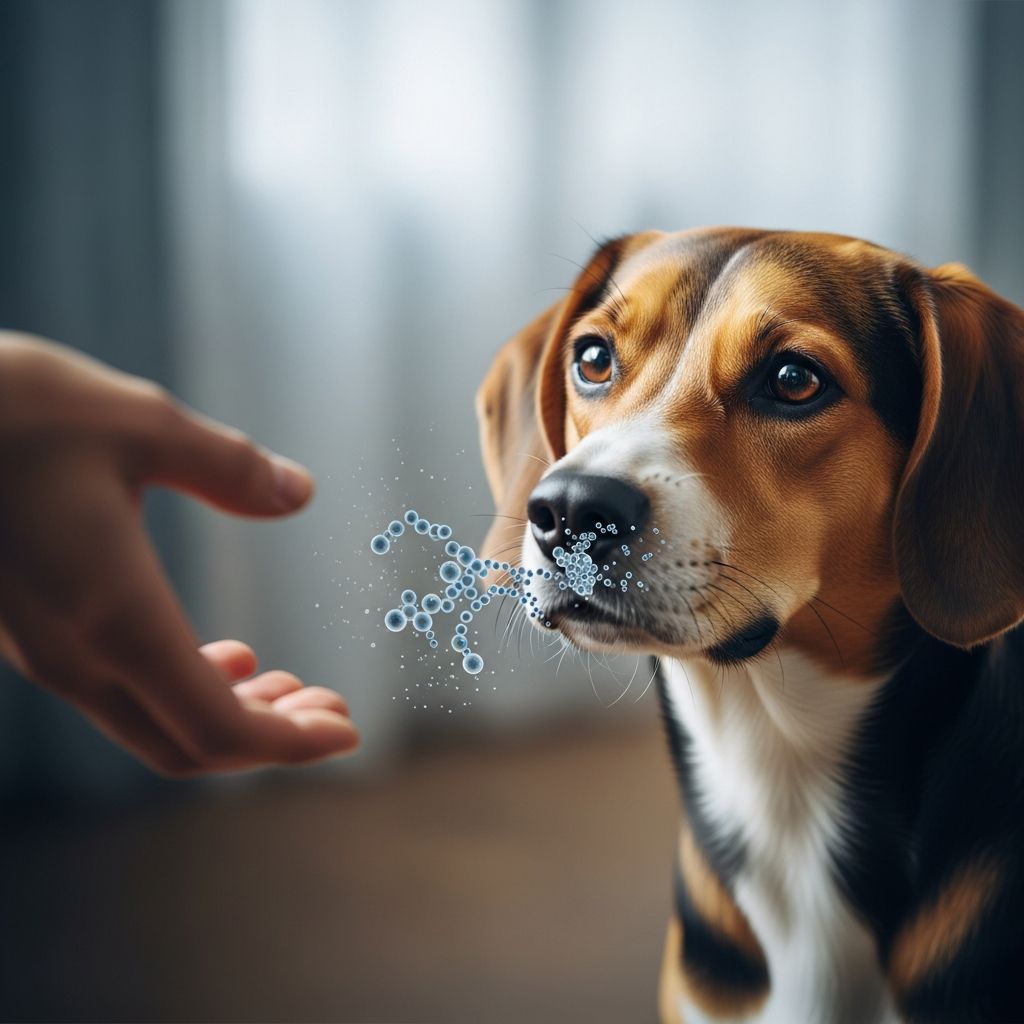
Strep throat, a common bacterial infection in humans caused primarily by Streptococcus pyogenes (Group A Streptococcus), raises concerns for pet owners about cross-species transmission. While dogs do not typically develop the exact same condition as humans, they can harbor related bacteria, sparking questions about mutual infectivity. This article delves into the science behind these interactions, emphasizing rarity while outlining practical steps for health management.
Understanding Streptococcus Bacteria in Humans and Dogs
Streptococcus encompasses various strains, each with host preferences. In humans, Group A Streptococcus triggers classic strep throat symptoms like severe sore throat, fever, and swollen lymph nodes. Dogs, conversely, more commonly encounter Group G Streptococcus, such as Streptococcus canis, which may lead to tonsillitis or skin issues rather than human-like throat infections.
These distinctions arise from bacterial adaptation: human strains thrive in our mucous membranes, while canine versions align with dogs’ physiology. Despite this, close living arrangements could facilitate rare exchanges, particularly in households with recurrent infections.
Rarity of Human-to-Dog Transmission
Veterinary consensus holds that dogs rarely acquire human strep throat. The American Veterinary Medical Association notes dogs are not natural hosts for Group A Streptococcus, minimizing infection likelihood even with exposure via saliva or shared spaces. Experts like Dr. Ernst Ward from VCA Hospitals affirm dogs do not get “strep throat” but might temporarily carry the bacteria asymptomatically.
- Transmission requires direct contact, such as kissing or sharing utensils.
- Weakened canine immunity from stress or illness heightens susceptibility.
- Shelter outbreaks highlight intra-canine spread via contaminated bowls, not humans.
Cornell University’s veterinary insights further debunk myths, stating no credible evidence supports dogs as routine carriers of human strains, attributing past concerns to flawed culturing methods that confused Group A with Group G.
Can Dogs Transmit Strep to Humans?
Reverse transmission—dog to human—is equally uncommon. Dogs acting as carriers could theoretically spread Group A Streptococcus through licks or sneezes, but studies show this is extremely rare. The Infectious Diseases Society of America and sources like Worms & Germs Blog emphasize pets’ minimal role in human infections, with older reports likely misidentifying common canine streptococci.
In households with persistent family strep cases, vets might test pets, but evidence does not routinely implicate them. Basic hygiene, like handwashing post-pet contact, suffices for prevention.
| Aspect | Human Strep (Group A) | Dog Strep (Group G) |
|---|---|---|
| Bacteria Strain | S. pyogenes | S. canis |
| Common Symptoms | Sore throat, fever, white patches | Tonsillitis, lethargy, coughing |
| Transmission Risk Cross-Species | Rare | Rare |
| Treatment | Antibiotics (e.g., penicillin) | Antibiotics if symptomatic |
Recognizing Symptoms in Dogs
Dogs with streptococcal issues rarely mimic human strep exactly. Watch for:
- Excessive swallowing or drooling.
- Bad breath or pus on tonsils.
- Coughing, fever, or loss of appetite.
- Lethargy or respiratory distress in severe cases.
These overlap with other conditions like kennel cough or allergies, necessitating veterinary throat swabs for confirmation. Early detection prevents complications like abscesses.
Veterinary Diagnosis and Treatment Options
Diagnosis involves physical exams, swabs, and cultures distinguishing streptococcal groups. Treatment mirrors human protocols: antibiotics like amoxicillin for confirmed cases, alongside supportive care such as hydration and soft foods.
Post-treatment cultures verify clearance, especially in multi-pet homes. Probiotics may aid gut recovery from antibiotics. Prevention trumps cure: vaccinate against respiratory pathogens and maintain hygiene.
Prevention Strategies for Pet Owners
Minimize risks through daily habits:
- Avoid close facial contact during human illness.
- Disinfect shared surfaces and bowls regularly.
- Isolate sick pets in group settings.
- Boost immunity with balanced nutrition and wellness checks.
For recurrent household infections, consult vets about pet screening, though unnecessary routinely per authoritative guidelines.
Debunking Common Myths
Myth 1: Dogs frequently cause family strep outbreaks. Fact: No modern evidence supports this; older studies used imprecise methods.
Myth 2: All sore throats in dogs are strep. Fact: Viruses and other bacteria dominate canine cases.
Myth 3: Transmission is inevitable with cuddles. Fact: Species-specific strains and hygiene barriers protect most interactions.
When to Contact Your Veterinarian
Seek immediate care if your dog shows persistent symptoms post-human strep exposure or vice versa. Prompt action averts escalation, ensuring household harmony.
Frequently Asked Questions (FAQs)
Can my dog get strep from me if I have it?
Possible but rare; limit contact until treated.
Should I test my dog for strep during family outbreaks?
Only if recurrent and vet-recommended; not standard.
What if my dog has tonsillitis?
Get a swab; treat if bacterial, monitor otherwise.
Are certain breeds more prone?
No breed specificity; immunity and environment matter more.
How long is strep contagious in dogs?
Until antibiotics clear it, typically 24-48 hours post-start.
Long-Term Health Management for Pets
Beyond acute episodes, foster resilience via annual checkups, dental care (as oral bacteria interplay with throat health), and stress reduction. Diets rich in omega-3s support mucosal integrity, potentially deterring bacterial adhesion.
Monitor for zoonotic signals in vulnerable groups like immunocompromised family members, prioritizing separation during illnesses.
References
- Can Dogs Get Strep Throat? Can Dogs Get Strep From Humans? — Ollie Blog. 2023. https://blog.ollie.com/can-dogs-get-strep-throat/
- Can Dogs Get Strep Throat from Humans? — WagWalking. 2023. https://wagwalking.com/wellness/can-dogs-get-strep-throat-from-humans
- Can My Dog Get Strep Throat & Can They Give It To Me? — Rover.com. 2023. https://www.rover.com/blog/can-dogs-get-strep-throat/
- Can Dogs Get Strep Throat from a Human? — Whole Dog Journal. 2023. https://www.whole-dog-journal.com/health/can-dogs-get-strep-throat-from-a-human/
- Strep throat? Probably not correct to blame the dog — Cornell University College of Veterinary Medicine. 2019-11-05. https://www.vet.cornell.edu/about-us/news/20191105/strep-throat-probably-not-correct-blame-dog
- Pets and strep throat — Worms & Germs Blog. 2008-05. https://www.wormsandgermsblog.com/2008/05/articles/diseases/other-diseases/pets-and-strep-throat/
Similar Articles








Read full bio of Sneha Tete




