

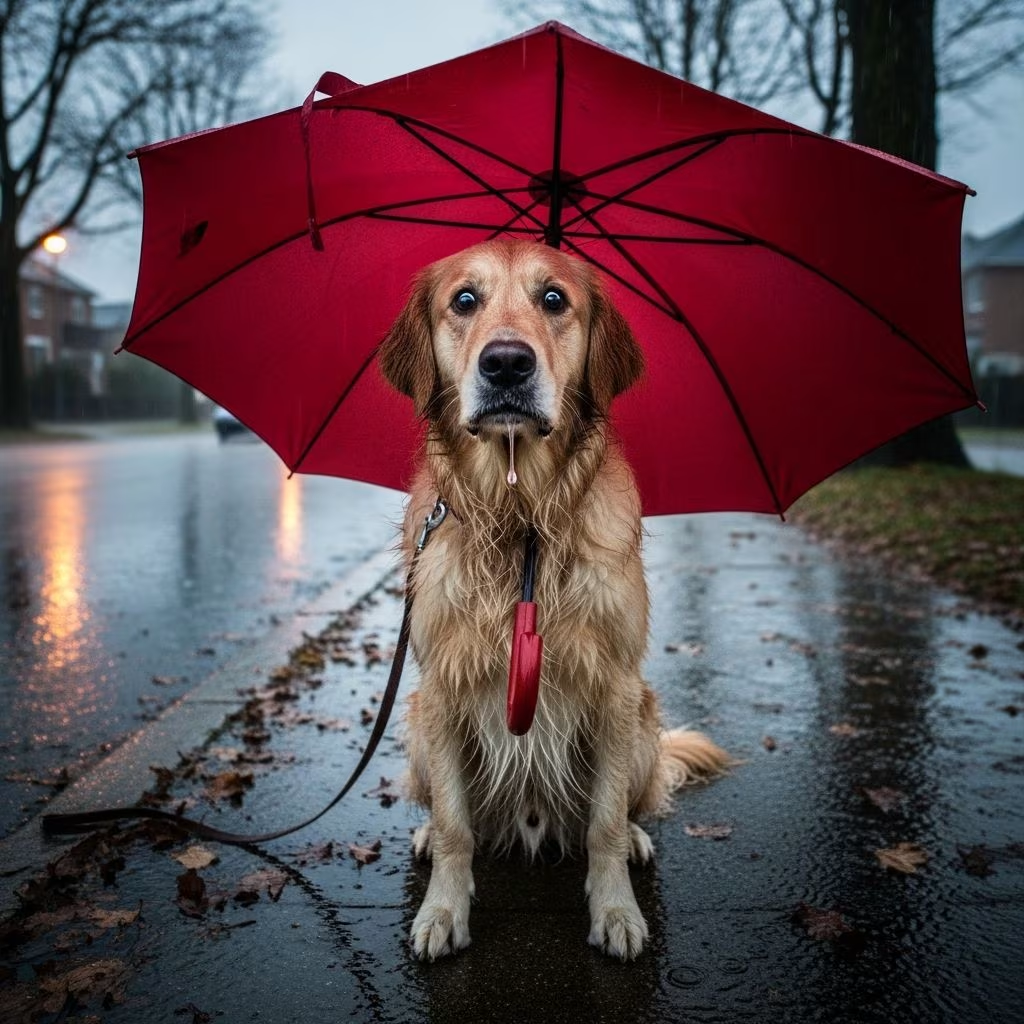
Many dog owners face the challenge of convincing their pets to relieve themselves outside during rainy weather. This common issue stems from discomfort with wetness, unfamiliar sensations, or lack of prior exposure, but targeted strategies can resolve it effectively.
Understanding Canine Discomfort in Wet Conditions
Dogs often hesitate to venture out in rain due to the unpleasant feel of water on their fur, cold paws on slick surfaces, or the squelching mud underfoot. Certain breeds with thick coats or sensitive skin may find these sensations particularly off-putting, leading to indoor accidents or prolonged holding that risks urinary issues. Young puppies, with limited exposure to varied weather, are especially prone, as are older dogs with arthritis exacerbated by damp chill.
Psychological factors play a role too. If a dog associates rain with negative past events, like thunderstorms, anxiety amplifies avoidance. Surface preferences matter; some dogs prefer dry grass and balk at soggy turf, interpreting it as unstable or unclean. Recognizing these triggers allows owners to tailor solutions, preventing frustration and maintaining hygiene.
Building Positive Associations with Rain
The foundation of overcoming rain reluctance lies in reshaping your dog’s emotional response through gradual desensitization and rewards. Start indoors by playing recordings of rain sounds at low volume, pairing them with treats or playtime to create neutral or positive links.
- Expose briefly: On light drizzle days, step out for seconds, offering high-value treats immediately upon return.
- Feed on wet grass: Place meals in bowls on damp lawns to link wetness with mealtime joy.
- Incorporate play: Toss favorite toys or scatter kibble in rainy yards, praising any outdoor time.
Consistency rewards small wins. If your dog merely stands in the rain, celebrate lavishly; over time, extend sessions to include potty success. This counter-conditions fear, turning rain into a cue for fun.
Practical Gear for Rainy Relief
Protective accessories bridge the gap between aversion and acceptance, keeping dogs drier and warmer to focus on business.
| Gear Type | Benefits | Tips for Use |
|---|---|---|
| Raincoats | Shields body from soaking; retains warmth | Choose lightweight, adjustable fits; introduce gradually with treats |
| Booties | Prevents wet, cold paws and mud tracking | Opt for waterproof, grippy soles; practice walking indoors first |
| Large Umbrellas | Provides instant overhead cover | Hold steady; combine with leashed walks for security |
| Towel Stations | Quick dry-off post-potty | Station near door with warm towels to end outings positively |
These tools reduce physical discomfort, making outings tolerable while you work on behavioral adaptation.
Finding or Creating Sheltered Potty Zones
Shelter minimizes direct rain exposure, easing transitions for hesitant dogs. Scout yards for natural canopies like dense tree branches or install awnings over favored spots.
- Urban walks: Use building overhangs, scaffolding, or bus stops for curbside relief.
- Yard hacks: Position planters with sod or shallow dirt pools under porches as temporary patches.
- Portable options: Deploy pop-up tents or large tarps for customizable cover.
These setups allow potty needs without full immersion, gradually expanding to open areas as confidence grows.
Exercise and Movement Techniques
Physical activity stimulates natural urges, overriding weather reluctance. Short leashed walks in rain prompt the gastrocolic reflex, encouraging elimination faster than standing still.
- Start slow: 2-5 minute loops around the block, praising at every step.
- Sniff incentives: Scatter treats along paths to prolong exposure positively.
- Timing: Schedule post-meal or high-need periods when urgency peaks.
Accompany your dog every time; isolation heightens anxiety. Your calm presence models bravery.
Temporary Indoor Alternatives
While training outdoors, prevent accidents with interim solutions. Designated pee pads in low-traffic zones offer reliability during storms.
- Setup: Place on easy-clean mats; scent with prior waste for familiarity.
- Training: Lead gently, reward use; phase out as weather tolerance improves.
- Alternatives: Real grass patches in litter boxes or balcony turfs for apartment dwellers.
Use sparingly to avoid dependency, always prioritizing outdoor success.
Maintaining Routines and Patience
Stick to potty schedules rain or shine, avoiding punishment for hesitation, which worsens fear. Supervise indoors post-outing via leashes or crating to cue return trips. Track progress in a journal: note weather, duration, and successes to refine approaches.
Patience varies by dog; some adapt in days, others weeks. Breeds like Labs may embrace wet faster than Greyhounds with thin coats. Consult vets for persistent issues signaling pain or illness.
Common Mistakes to Avoid
Coddling reinforces avoidance; upbeat energy during outings signals normalcy. Skipping supervision invites indoor slips, eroding training. Rushing gear risks rejection—introduce playfully.
- Don’t force long exposures early.
- Avoid yelling or dragging.
- Steer clear of over-relying on umbrellas without behavioral work.
FAQs
Why does my dog hate wet grass specifically?
Soggy textures feel unstable or dirty to paws unaccustomed to them. Counter by feeding meals on it repeatedly.
Can I train a senior dog to tolerate rain?
Yes, with gentler pacing and joint-friendly gear; check for arthritis first.
What if my dog holds it all day?
Risks bladder strain; use urgency timing and walks. Vet if prolonged.
Are pee pads a permanent fix?
No, temporary only; wean off to preserve outdoor habits.
How long until improvement?
1-4 weeks with daily practice; consistency key.
References
- 5 Things To Do When Your Dog Won’t Potty Outside In Bad Weather — Glad Wags. 2025-03-23. https://www.gladwags.com/blog/2025/3/23/5-things-to-do-when-your-dog-wont-potty-outside-in-bad-weather
- For Those Who Hate the Rain, Because Their Dog Won’t Go Outside — Lowcountry Dog. 2019-10-08. https://www.lowcountrydog.com/sit-stay-behave/2019/10/8/for-those-who-hate-the-rain-because-their-dog-wont-go-outside
- Why Won’t My Dog Go Out in the Rain? — Hill’s Pet Nutrition. N/A. https://www.hillspet.com/dog-care/training/dog-wont-go-outside-in-rain
- Training Dogs to Potty in Rain, Snow, or Other Bad Weather — American Kennel Club. N/A. https://www.akc.org/expert-advice/training/potty-in-bad-weather/
- Dog Not Wanting to Go Outside — Advanced Pet Care of Clear Lake. N/A. https://advancedpetcareofclearlake.com/blog/dog-not-wanting-to-go-outside/
- 10 Tips for Dogs That Refuse to Potty in the Rain — PetHelpful. N/A. https://pethelpful.com/dogs/dog-refusing-to-go-potty-in-the-rain



