

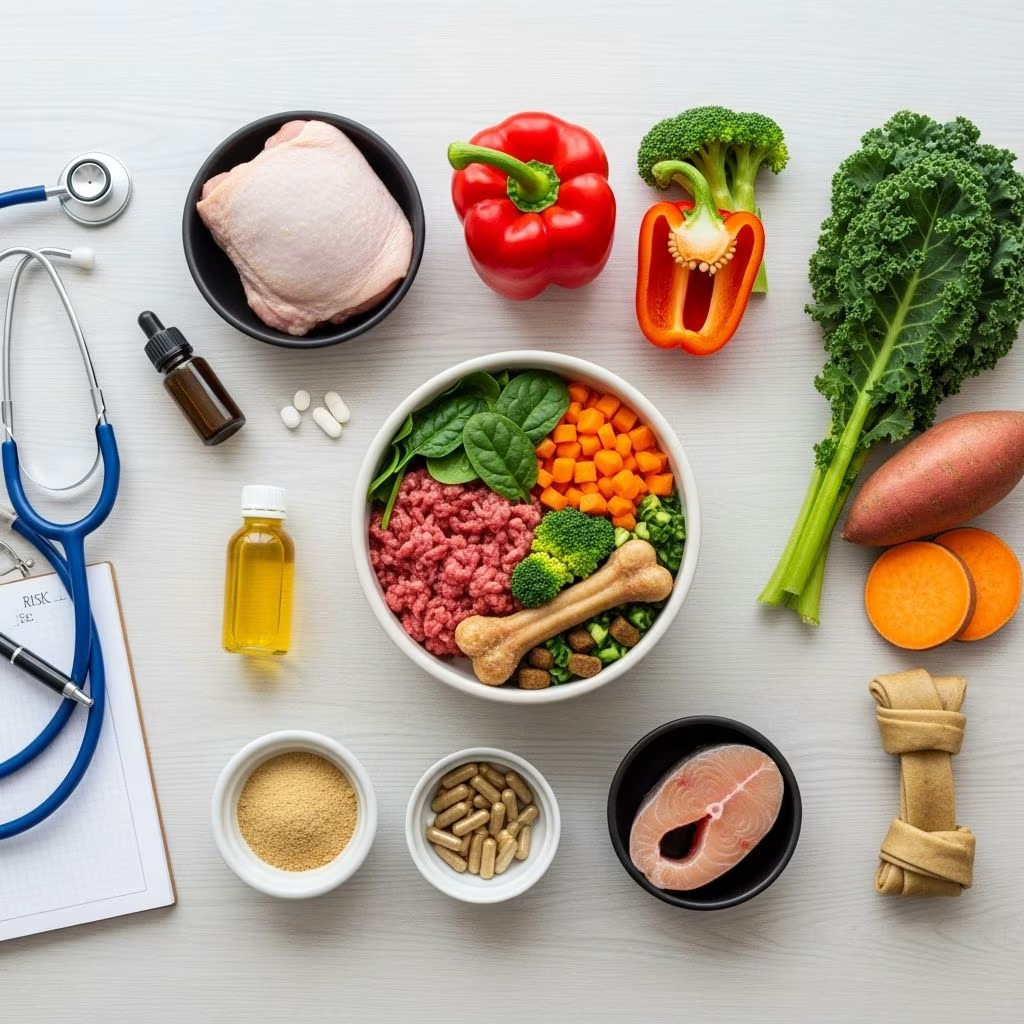
Is It Safe to Feed My Dog Raw Food?
The safety of raw food diets for dogs is a topic of significant concern among veterinarians and pet health organizations worldwide. The risks associated with feeding raw food clearly outweigh any potential benefits. Multiple authoritative health organizations have taken unified positions on this issue. The Centers for Disease Control and Prevention (CDC), the Center for Veterinary Medicine (CVM), the US Food and Drug Administration (FDA), and the Canadian Veterinary Medical Association (CVMA) all stand united in their position that feeding raw food to dogs is potentially dangerous to the dog, to other pets in the house, and to the dog owner.
The primary concerns with raw food diets revolve around two critical areas: food safety hazards and nutritional adequacy. These issues have been extensively documented through scientific research and veterinary clinical experience. Understanding these risks is essential for any dog owner considering this feeding approach.
Food Safety and Bacterial Contamination
One of the most significant dangers of raw dog food is the presence of harmful pathogens that can cause serious illness in both dogs and their human companions. A comprehensive study conducted from 2011 through 2012 screened commercially available raw dog foods for bacteria that can cause illness. The research examined raw dog food products that were frozen in tube-like packages, made from ground meat or sausage. The findings were alarming: nearly 25% of the raw food samples tested positive for harmful bacteria, including Salmonella and Listeria monocytogenes.
These bacteria pose significant health risks not only for the dogs who consume the raw food but also for the dog owners who handle the food while preparing it. The contamination risk extends beyond direct consumption. Harmful bacteria can be shed through a dog’s saliva and feces, which means other pets in the household can become infected even if they are not fed a raw food diet themselves. This cross-contamination presents a serious public health concern, particularly for families with multiple pets.
Cooking is the primary method that effectively kills harmful bacteria in food. Since raw food remains uncooked, the presence of bacteria is virtually guaranteed in many commercial raw food products. Individuals with compromised immune systems, whether they are humans or pets, face heightened risk from bacterial infections associated with raw-fed diets. Dogs with conditions like diabetes or those taking immunosuppressant medications are particularly vulnerable to serious complications from bacterial contamination.
Nutritional Deficiencies and Imbalances
Beyond food safety concerns, raw food diets frequently fail to meet dogs’ complete nutritional requirements. Dogs require several essential nutrients to maintain optimal health, including amino acids, fatty acids, vitamins, and minerals. While raw food diets typically contain substantial amounts of protein, they often fall short in critical vitamins and minerals. Many raw food diets have been found to be deficient in one or more essential nutrients, which can lead to serious clinical disease over time.
Raw food diets come in many forms and can be grouped into two primary categories: commercial and homemade. When commercial raw food is available, pet owners should check the label for a nutritional adequacy statement, which indicates that the food is complete (contains all essential nutrients) and balanced (in the correct amounts and proportions). However, many commercial products still lack such certification or assurance of nutritional balance.
Contrary to marketing claims that raw diets are “biologically appropriate,” modern dogs have actually adapted to consuming cooked diets over thousands of years. Dogs can digest complex carbohydrates more easily once they have been cooked, and they have evolved alongside humans for over ten thousand years. This adaptation means that raw food is not necessarily superior to properly formulated commercial diets. Additionally, raw food diets contain none of the fiber or beneficial bacteria that a dog’s digestive system needs to function properly. Dogs on raw food diets should use probiotic supplements to support gastrointestinal health, and a comprehensive multivitamin supplement like Homecooked supplement may be necessary to address nutritional gaps.
Physical Risks Associated with Raw Diets
Beyond bacterial contamination and nutritional concerns, raw food diets present direct physical hazards to dogs. Bones are a common component of raw diets, but they carry significant risks. Dogs that chew on bones, whether raw or cooked, face several dangers:
- Bones can wear down or break teeth, causing painful dental damage
- Bones can splinter into sharp fragments
- Bone shards can potentially cause blockage or perforation in the intestines
- Intestinal perforations from bone fragments can be fatal in severe cases
The risk of intestinal perforation is particularly serious, as it can require emergency surgical intervention and may result in death if not treated immediately. Additionally, dogs fed raw food diets commonly experience gastrointestinal issues such as diarrhea or constipation, likely due to the lack of pre- and probiotics in raw meat.
Contamination Risk Statistics
Research data underscores the severity of contamination risks. One critical statistic repeatedly cited by veterinary professionals is that approximately one in three, or 33%, of raw food samples tested contained infectious pathogens like Salmonella or E. coli. This means that when a pet owner purchases raw dog food, there is a one-in-three chance that the product contains harmful bacteria capable of causing serious illness.
What Is the Best Diet for Your Dog?
For healthy adult dogs, selecting the best diet requires careful consideration of nutritional completeness and food safety. The optimal approach is to select a diet that is nutritionally complete and balanced and that has undergone rigorous testing for harmful bacteria. Commercial pet foods that meet AAFCO (Association of American Feed Control Officials) standards provide assurance that the diet contains all essential nutrients in appropriate proportions.
Pet owners have numerous dietary options to choose from, and fortunately, many alternatives offer superior safety and nutritional profiles compared to raw diets. High-quality commercial dog foods, veterinary-formulated diets, and properly prepared home-cooked diets supervised by a veterinary nutritionist all represent safer alternatives to raw feeding.
If despite these recommendations you choose to continue feeding a raw diet, ensure you inform your veterinarian so they are aware of your decision. Your veterinarian may be able to offer guidance around options that might be safer than others, including recommendations for nutritional supplementation and food safety practices to minimize risk.
Professional Veterinary Position
The veterinary profession has reached clear consensus on raw food diets. According to the VCA Veterinary Hospital group in the USA, “There are no clinically proven benefits of a raw food diet, but there are documented hazards and risks.” The American Veterinary Medical Association (AVMA) strongly discourages people from feeding pets a raw food diet based on extensive scientific evidence.
This professional consensus is not based on preference or tradition but on documented cases of illness, injury, and death resulting from raw food consumption. The accumulation of clinical evidence over many years has led responsible veterinarians to recommend against raw feeding for the health and safety of both pets and their families.
Special Considerations for Puppies
Young puppies face particular risks from raw food diets and should not be fed raw food. Puppies can be especially vulnerable to infections because their immune systems are not fully developed. Additionally, puppies may be more severely affected by nutrient imbalances, such as imbalances between calcium and phosphate, because their tissues and bones are still actively growing. Nutritional imbalances during the critical growth period can have lifelong ramifications for a dog’s skeletal health and overall development.
Immunocompromised Dogs and Raw Food
Dogs with compromised immune systems face significantly elevated risks from raw food diets. Dogs with diabetes, those taking immunosuppressant medications, elderly dogs with declining immune function, and dogs with certain health conditions should absolutely not be fed raw food. For these vulnerable animals, the bacterial infections that a healthy dog might successfully fight off can pose a serious, potentially life-threatening threat.
Frequently Asked Questions
Q: Can dogs eat raw meat?
Technically, dogs can consume raw meat, but most veterinarians strongly advise against feeding your dog raw meat due to the high risk of bacterial infection to both you and your dog, as well as nutritional imbalances that typically result from raw feeding. The potential risks far outweigh any claimed benefits.
Q: How much of raw dog food samples test positive for harmful bacteria?
Research shows that approximately 25% of commercially available raw dog food samples tested positive for harmful bacteria such as Salmonella and Listeria monocytogenes. Some studies indicate that one-third of raw food products contain infectious pathogens, representing a significant contamination rate.
Q: Can puppies eat raw food diets?
No, puppies should not be fed raw food diets. Puppies have developing immune systems that cannot effectively fight off bacterial infections, and they are particularly vulnerable to nutritional imbalances that can affect their growing bones and tissues, potentially causing lifelong health problems.
Q: What are the main risks of raw food diets for dogs?
The primary risks include bacterial contamination (Salmonella, E. coli, Listeria), nutritional deficiencies in vitamins and minerals, and physical hazards from bone fragments including tooth damage, intestinal blockage, and potential fatal perforation of the digestive tract.
Q: Should I tell my veterinarian if I feed my dog raw food?
Yes, absolutely. Inform your veterinarian if you choose to feed raw food so they can monitor your dog’s health closely and provide guidance on potentially safer raw feeding practices, if you insist on continuing this diet approach.
Q: What organizations recommend against raw food diets for dogs?
The CDC, FDA, CVM, CVMA, AVMA, and VCA Animal Hospitals all recommend against raw food diets due to documented health risks and lack of proven benefits. These authoritative organizations have reached unified positions based on scientific evidence.
References
- Dogs and Raw Food Diets — VCA Animal Hospitals. 2024. https://vcahospitals.com/know-your-pet/dogs-and-raw-food-diets
- Nutrition – General Feeding Guidelines for Dogs — VCA Animal Hospitals. 2024. https://vcahospitals.com/know-your-pet/nutrition-general-feeding-guidelines-for-dogs
- The Raw Dog Food Diet: What You Need to Know — Omni Pet. 2024. https://omni.pet/blogs/news/raw-dog-food-diet-guide
- Centers for Disease Control and Prevention (CDC) — Food Safety Guidelines — CDC. 2024. https://www.cdc.gov/foodsafety
- U.S. Food and Drug Administration (FDA) — Pet Food Safety — FDA. 2024. https://www.fda.gov/animal-veterinary/animal-health-literacy/pet-food-safety



