

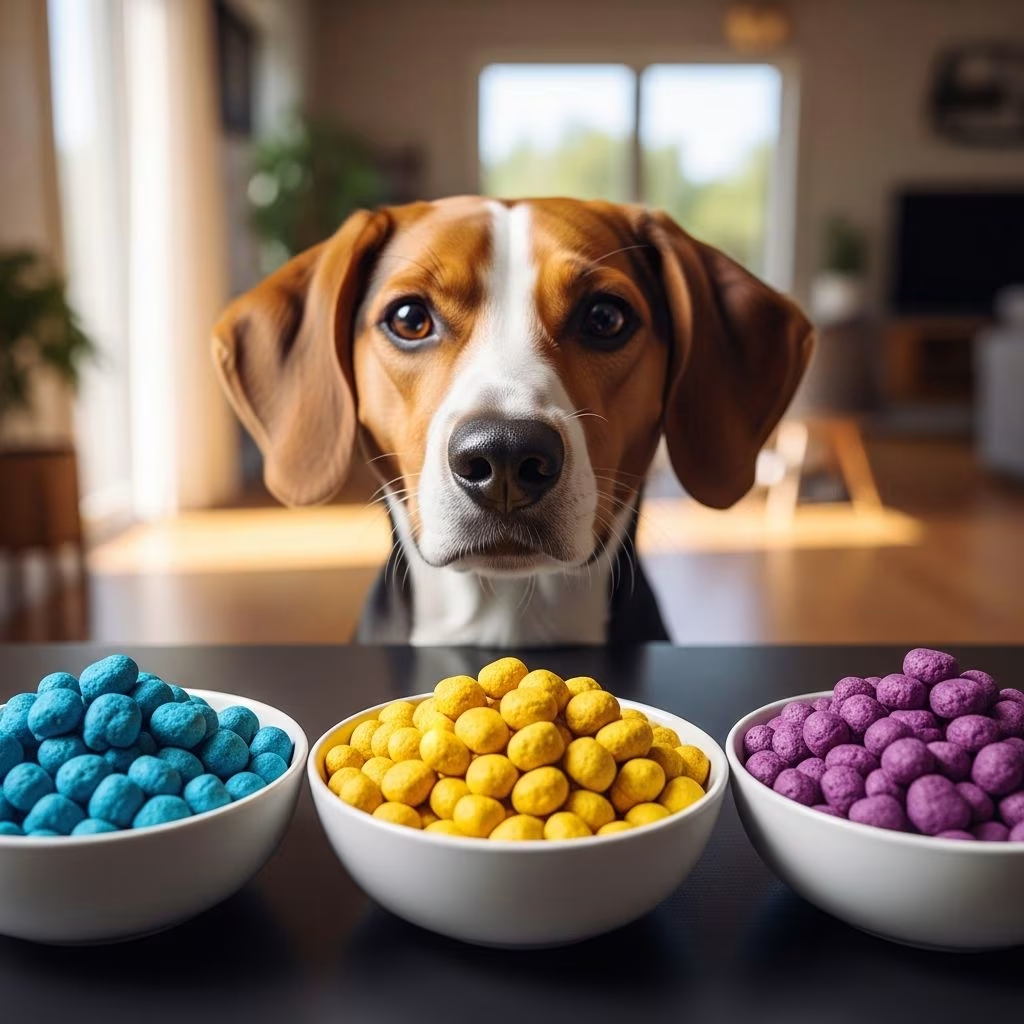
Dogs perceive a limited color spectrum dominated by blues and yellows, with scientific studies showing a strong preference for yellow in foraging scenarios and blue for toys and play. This understanding transforms how we select toys, bedding, and training aids to match their visual world.
The Science of Canine Color Perception
Dogs possess dichromatic vision, relying on two types of cone cells in their eyes sensitive primarily to short (blue-violet) and medium (yellow-green) wavelengths, unlike humans’ trichromatic system with added red sensitivity. This means reds appear as dark yellowish-brown or grayish tones to dogs, while greens blend into yellows or grays.
Research confirms dogs actively use color cues over mere brightness for object recognition. In one experiment with eight mixed-breed dogs, participants distinguished colored papers (dark/light yellow and blue) paired with rewards, choosing correctly based on hue 70-100% of the time across ten trials, prioritizing color over brightness.
Key Studies on Color Preferences
Multiple experiments highlight specific favorites within dogs’ visible palette:
- A 2023 study on 134 free-ranging dogs in India tested yellow, blue, and gray bowls. Yellow was selected over twice as often as others, even when empty against food-filled alternatives (41 vs. 11 choices for biscuits; 47 vs. 14 for chicken).
- Earlier UC Davis research indicated preferences for blue (perceived vividly) and red (as dark yellow), with blue standing out most.
- Toy interaction studies showed dogs engaging longer with blue items compared to red or green, due to higher visual contrast.
These findings suggest innate or learned biases, possibly linked to food associations like turmeric-tinged scraps appearing yellowish.
Why Yellow Stands Out to Dogs
Yellow’s dominance in preference tests may stem from survival advantages. Scavenging dogs associate it with edible items—raw meat juices or spiced human foods reflect yellowish hues in their vision. The high contrast against typical ground colors (browns/grays) draws attention rapidly, as seen when dogs bypassed guaranteed food for empty yellow bowls.
Psychology analyses reinforce this: from their palette, yellowish tones signal potential nutrition, shaping strong behavioral pulls.
Blue as a Playtime Favorite
Blue excels in stimulation and toy appeal. Dogs interact more with blue objects, likely because it remains distinct without confusing with yellows or grays. Trainers note blue’s utility in commands, as it pops against varied backgrounds.
A student-led test hypothesized blue preference due to vivid perception, aligning with observed play behaviors.
Colors Dogs Struggle With
Reds, oranges, and greens fade into dull yellows, browns, or grays, reducing appeal. Red toys, popular with humans, often disappoint dogs who see them as unremarkable dark shades. Greens merge with yellows, lacking distinction.
| Color (Human View) | Dog Perception | Preference Level |
|---|---|---|
| Yellow | Bright yellow | High (foraging favorite) |
| Blue | Clear blue | High (toy/play favorite) |
| Red | Dark yellow/brown | Low |
| Green | Yellow/gray | Low |
| Gray | Gray (brightness-based) | Neutral |
Practical Applications for Pet Owners
Leverage these insights daily:
- Toys and Fetch Items: Opt for yellow or blue rubber balls, ropes, or plushies. Avoid red, which blends into dirt.
- Bedding and Crates: Blue or yellow fabrics provide calming visual comfort without overwhelming their senses.
- Training Aids: Use blue cones or yellow targets for commands; color reinforces memory better than shape alone.
- Clothing for Owners: Blue shirts enhance visibility during walks; dogs spot you faster against greenery.
- Food Bowls: Yellow ceramic or plastic bowls may encourage eating, mimicking preferred forage cues.
Environmental Enhancements at Home
Design dog-friendly spaces with their vision in mind. Walls in soft blues create engaging yet soothing atmospheres. Yellow accents on ramps or puzzle feeders boost interaction. Steer clear of all-red decor, which appears monotonous.
For multi-dog homes, mix blue and yellow items to prevent competition over ‘favorite’ colors observed in studies.
Breed and Individual Variations
While patterns hold across mixed breeds and street dogs, variations exist. Breeds with denser rod cells (e.g., herding dogs) emphasize motion over color, but cone-based preferences persist. Age and experience influence: puppies learn via play, seniors favor high-contrast yellows for visibility.
Free-ranging vs. pet dogs differ; pets may associate blue with toys, amplifying preferences.
Debunking Persistent Myths
The black-and-white vision myth lingers despite evidence. Dogs aren’t monochromatic; their world bursts with blue skies, yellow suns, and gray shadows. Brightness matters, but color decisions prove functional.
Future Research Directions
Ongoing studies explore neural processing: do dogs dream in yellow? Cross-cultural tests (e.g., Morocco showed no preference) question universality. Tech like color-calibrated cameras simulates dog vision for better product design.
Frequently Asked Questions (FAQs)
Can all dogs see the same colors?
Most share dichromatic vision, but rare mutations or breeds may vary slightly. Consult vets for eye health checks.
Should I only buy blue and yellow toys?
These excel, but textures, scents, and squeaks matter too. Variety prevents boredom.
Do color preferences change with age?
Puppies explore broadly; adults refine based on experience. Seniors benefit from bold contrasts.
Is yellow really preferred over food?
Yes, in Indian street dog tests—even empty yellow beat loaded gray 77% of the time.
How does dog vision compare to cats?
Similar dichromacy, but cats lean greener; both prioritize night vision over hues.
References
- Dogs Clearly Have a Favorite Color, New Study Finds — Kinship. 2023. https://www.kinship.com/news/dogs-favorite-color-study
- New Study Shows That Dogs Use Color Vision After All — Smithsonian Magazine. 2013-10-22. https://www.smithsonianmag.com/science-nature/new-study-shows-that-dogs-use-color-vision-after-all-13168563/
- The Dish on Dog and Cat Vision — Animal Arts. N/A. https://www.animalarts.com/the-dish-on-dog-and-cat-vision/
- What’s Your Dog’s Favorite Color? — Psychology Today. 2025-04. https://www.psychologytoday.com/us/blog/canine-corner/202504/which-colors-do-dogs-prefer
- A Guide To Understanding How Dogs See Color — 30A Dog Trainers. N/A. https://30adogtrainers.com/blog/a-guide-to-understanding-how-dogs-see-color/
- Do Dogs Have A Color Preference? — SARSEF Virtual Fair. 2025-02-17. https://virtualfair.sarsef.org/wp-content/uploads/2025/02/5-ANI02-virtual_presentation-2025-02-17T214448.000Z.pdf
- What colours can dogs see? — Tug-E-Nuff. N/A. https://tug-e-nuff.com/blogs/news/what-colours-can-dogs-see



