

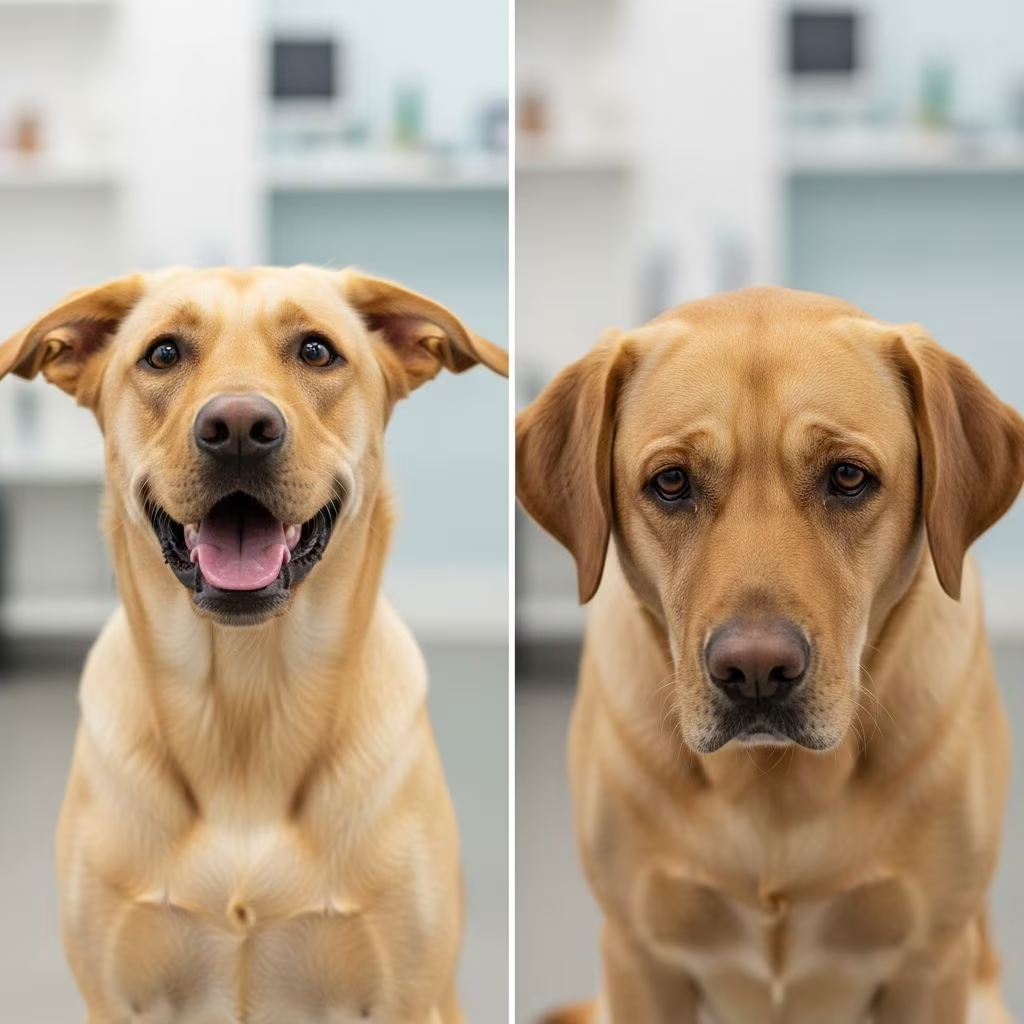
Dogs develop distinct personalities influenced by genetics, environment, and experiences, but sudden or gradual changes can signal underlying issues requiring attention. Understanding these shifts helps owners intervene early to ensure their pet’s well-being.
Understanding Your Dog’s Personality
Dogs exhibit unique personalities akin to humans, characterized by traits like sociability, playfulness, curiosity, fearfulness, and aggressiveness. Research using tools like the C-BARQ questionnaire reveals these traits are measurable and relatively stable in adults, though puppies show more variability in areas like fearfulness and trainability. Breed sets a baseline—explaining only about 9% of behavior variation—but environment and owner influence play larger roles.
Personality forms through a mix of heritability and life experiences. Puppies’ early socialization window (3-12 weeks) critically shapes adaptability; positive exposures lead to calmer adults, while negatives foster fear. Owners’ traits correlate with dogs’: calm, consistent guardians often have resilient pets, while anxious ones may see more reactive behaviors.
Signs of Personality Change in Dogs
Recognize shifts by comparing current behavior to established baselines. Key indicators include:
- Increased fear or anxiety: Hesitation around familiar people, objects, or places previously enjoyed.
- Aggression spikes: Growling, snapping, or biting without provocation, especially toward family or other pets.
- Lethargy or withdrawal: Reduced play, avoidance of interaction, or sleeping more than usual.
- Hyperactivity or restlessness: Pacing, destructiveness, or inability to settle, contrasting prior calmness.
- Appetite or sleep changes: Eating less/more or irregular sleep patterns.
These may appear suddenly (e.g., post-trauma) or gradually (e.g., aging). Track via a journal noting triggers, frequency, and duration for vet discussions.
Common Causes of Personality Changes
Changes stem from medical, environmental, or developmental factors. A table summarizes key causes:
| Category | Examples | Typical Signs |
|---|---|---|
| Medical | Pain (arthritis, injuries), thyroid issues, neurological disorders | Irritability, withdrawal, limping |
| Environmental | Household stress, routine disruptions, lack of exercise | Anxiety, hyperactivity |
| Age-Related | Puppy adolescence, senior cognitive decline | Rebelliousness or confusion |
| Trauma | Abuse history, accidents | Sudden fear/aggression |
Medical Issues
Pain is a primary culprit; dogs hide discomfort, manifesting as grumpiness or avoidance. Conditions like hypothyroidism alter mood via hormone imbalances. Tumors or infections can cause behavioral shifts mimicking personality changes.
Environmental Stress
Dogs mirror owner anxiety through social referencing—reading tone, posture, and expressions. Anxious guardians foster edgy dogs; inconsistent routines heighten fear. Unmet needs like insufficient exercise lead to frustration.
Age-Related Changes
Puppies’ traits stabilize post-adolescence; early tests predict poorly, but adult personalities endure. Seniors face Canine Cognitive Dysfunction (CCD), causing disorientation, house soiling, and altered interactions—similar to human dementia.
When to See a Vet
Consult a vet immediately for sudden changes, physical symptoms (vomiting, limping), or age over 7 with cognitive signs. Rule out health issues first; bloodwork, imaging, or neurology referrals may be needed. Early detection improves outcomes—e.g., pain meds restore sociability quickly.
Behavioral vets or certified trainers assist if medical causes are excluded. Avoid self-diagnosing; professional assessment prevents escalation.
How to Help Your Dog
Intervene based on cause:
- Medical treatment: Follow vet prescriptions; monitor progress.
- Enrich environment: Increase exercise (30-60 min daily walks), puzzle toys for mental stimulation.
- Positive reinforcement training: Reward desired behaviors; ignore/redirect undesirables. Consistency builds confidence.
- Reduce stress: Create predictable routines, use calming aids (pheromone diffusers, anxiety wraps).
- Socialization: Gradual exposures to build resilience, especially for fearful dogs.
For seniors, CCD management includes antioxidant diets, supplements (e.g., omega-3s), and routines to combat confusion.
Preventing Personality Changes
Proactive steps maintain stability:
- Socialize puppies during key windows.
- Provide balanced exercise/nutrition.
- Model calm behavior; use reward-based handling.
- Regular vet check-ups detect issues early.
- Monitor for breed-specific risks (e.g., herding breeds’ high energy).
Research emphasizes environment’s role over genetics alone, empowering owners.
Case Studies: Real-Life Examples
Consider Max, a once-playful Labrador who grew irritable. Vet diagnosed arthritis; pain relief and joint supplements restored his personality. Luna, a rescue, showed stranger fear due to mill trauma; counter-conditioning via treats during exposures helped. These illustrate targeted interventions’ success.
Frequently Asked Questions (FAQs)
Can a dog’s personality change overnight?
Yes, trauma, pain onset, or acute illness can cause rapid shifts. Seek vet care promptly.
Is it normal for old dogs’ personalities to change?
Common due to CCD or health decline; management improves quality of life.
Does breed determine if personality changes?
No, breed influences tendencies (9% variance), but individual experiences dominate.
How do I know if it’s behavior or medical?
Vet exam first; persistent changes post-treatment suggest behavioral training needs.
Can training fix personality changes?
If non-medical, yes—positive methods reshape responses effectively.
References
- People and Their Dogs Really Do Have Similar Personalities — Kinship. 2023. https://www.kinship.com/pet-behavior/dogs-mirror-humans
- Does Your Dog Have a Unique Personality? — Kinship. 2023. https://www.kinship.com/dog-behavior/dogs-personalities
- Redefining Parenting and Family – The Child-Like Role of Dogs — Hogrefe Publishing. 2023-10-01. https://econtent.hogrefe.com/doi/10.1027/1016-9040/a000552
- Dog Behavior and Personality Assessment — American Veterinary Medical Association (AVMA). 2024-05-15. https://www.avma.org/resources-tools/pet-owners/petcare/dog-behavior-personality
- Canine Cognitive Dysfunction Guidelines — WSAVA Global Guidelines. 2025-01-10. https://wsava.org/global-guidelines/canine-cognitive-dysfunction



