
Your Dog’s Oral Health: Understanding and Preventing Dental Disease
Comprehensive guide to maintaining your dog's dental health and preventing serious oral diseases.
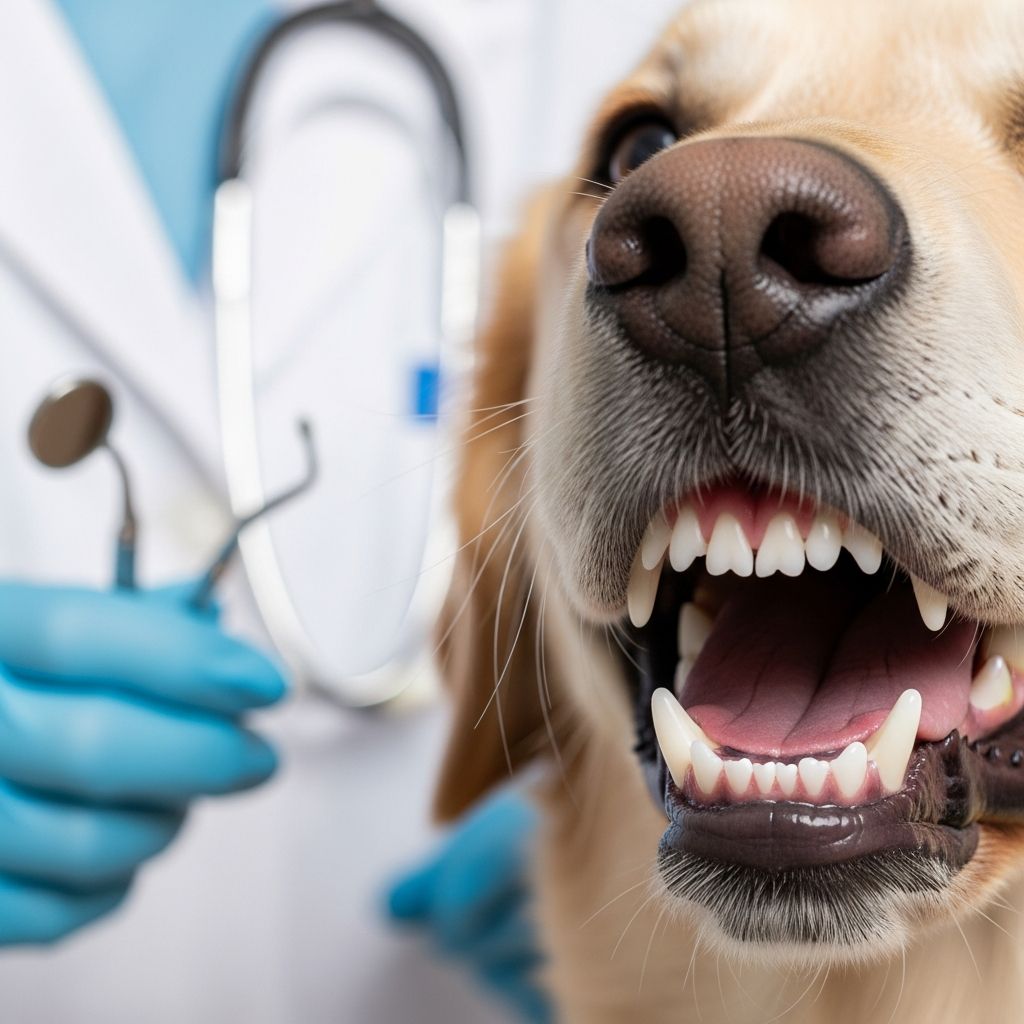
Dental disease is one of the most common health issues affecting dogs today, yet many pet owners remain unaware of its serious consequences or how to prevent it. While daily tooth brushing may seem like an overwhelming task, understanding the importance of oral health and implementing a comprehensive dental care strategy can dramatically improve your dog’s quality of life and overall health. From recognizing early warning signs to establishing effective prevention routines, this guide will help you take control of your dog’s dental wellness.
Understanding Dental Disease in Dogs
Dental disease progresses through several stages, and understanding this progression is crucial for preventing serious complications. The process begins when plaque accumulates on your dog’s teeth. When plaque remains on the teeth too long, it hardens into tartar—a brown deposit that cannot be removed by brushing alone. This tartar is approximately 80 percent bacteria, and it gradually damages the gums, the bone beneath them, and the ligaments that hold teeth in place.
As dental disease advances, the bacteria in tartar can access the bloodstream and infect vital organs including the heart, lungs, and kidneys. Advanced dental disease causes pain and makes dogs feel sick, significantly affecting their quality of life. The longer dental disease goes untreated, the more difficult and expensive the treatment becomes.
Signs Your Dog May Have Dental Disease
Recognizing the early signs of dental disease allows for prompt intervention and prevents progression to more serious stages. Watch for these common indicators:
- Bad breath or unusually foul odor from the mouth
- Visible tartar buildup on the teeth
- Bleeding or swollen gums
- Difficulty eating or dropping food while chewing
- Excessive drooling
- Reluctance to eat hard foods or treats
- Behavioral changes or signs of pain
- Loose or missing teeth
If you notice any of these signs, schedule a veterinary examination immediately. Your veterinarian can assess the severity of dental disease and recommend appropriate treatment options.
The Role of Professional Dental Cleanings
Professional veterinary dental cleaning is the most effective method for removing tartar from both the tooth surfaces and beneath the gum tissue. Unlike at-home brushing, professional cleanings reach areas that cannot be accessed with a toothbrush alone. This procedure requires full anesthesia to allow your veterinarian to thoroughly examine and clean all tooth surfaces and remove any damaged teeth if necessary.
While professional dental cleanings involve an expense and require anesthesia, they are essential for dogs with existing dental disease or those at high risk. Your veterinarian can recommend the appropriate frequency of professional cleanings based on your individual dog’s needs. Some dogs may need annual cleanings, while others might require them more or less frequently depending on their genetics, diet, and home care routine.
Home Dental Care: The Foundation of Prevention
Daily Tooth Brushing
Daily tooth brushing is the most effective method of plaque and calculus prevention. Tooth brushing is three times more effective at controlling plaque accumulation in dogs than using dental chews or special diets alone. To brush your dog’s teeth effectively:
- Use only veterinary toothpaste formulated specifically for dogs. Never use human toothpaste, which contains detergents, flavorings, and fluoride that can cause gastrointestinal upset or toxicity in dogs.
- Avoid using baking soda, as this can also cause gastrointestinal upset.
- Choose a toothpaste with a flavor your dog enjoys, making the experience more pleasant
- Some veterinary toothpastes contain enzymes or antimicrobials that actively reduce plaque formation
- Brush in gentle circular motions, focusing on the gum line where plaque accumulates most
- Begin with short sessions to help your dog adjust to the routine
However, it’s important to note that brushing should only begin after any existing periodontal disease has been treated and oral tissues have healed. Brushing teeth that are already affected by disease, with sore gums, tooth resorption, or mobile teeth will cause pain and may cause your dog to resist having their teeth brushed even after professional treatment.
Dietary Choices and Dental Treats
What your dog eats plays a significant role in oral health. Feeding a high-quality food, avoiding table scraps, and using treats specially formulated to support dental health are easy steps you can take to support overall dental wellness. In some cases, your veterinarian might recommend a special dental health diet designed to minimize plaque and tartar buildup.
While dental chews and special diets can support oral health, remember that they are supplements to, not replacements for, tooth brushing. These products clean only the surfaces of teeth directly involved in chewing, leaving the incisors and canine teeth largely untouched. Additionally, even the most diligent dental homecare cannot reach deep periodontal pockets that may develop below the gum line.
Recognizing That Every Dog Is Unique
Just as every dog has a unique personality, each dog’s mouth requires individualized care. The amount of dental maintenance needed to keep one dog healthy may be completely different from what another dog needs. Some dogs naturally have stronger teeth and less susceptibility to plaque buildup, while others may develop dental disease more quickly despite excellent home care.
Breed can also influence dental disease risk. Smaller breeds and certain genetic lines may be more prone to dental problems than others. Rather than comparing your dog’s dental needs to another dog’s, work closely with your veterinarian to understand your specific dog’s unique requirements. Ask your veterinarian for guidance on the frequency of professional cleanings, the best home care routine, and any signs to watch for specific to your dog’s breed and age.
Creating a Comprehensive Dental Health Strategy
Dental homecare can prevent or at least slow the progression of periodontal disease. However, this homecare must occur either before periodontal disease develops or after any existing disease has been professionally treated and oral tissues have healed. A comprehensive strategy includes:
- Daily tooth brushing with veterinary toothpaste (for healthy dogs)
- High-quality diet and appropriate dental treats
- Regular professional dental examinations at least once yearly
- Professional dental cleanings as recommended by your veterinarian
- Oral rinses or water additives if recommended by your veterinarian
- Monitoring for any signs of dental disease
Even with diligent daily dental homecare, your dog will still need regular professional cleanings, as homecare cannot completely eliminate plaque formation on every tooth surface. Schedule regular rechecks every three to six months to keep your pet owner compliance on track and to monitor your dog’s oral cavity for plaque buildup and gingivitis.
Addressing Age-Related Dental Changes
As dogs age, their dental needs may change. From age one to two, dogs may begin to show signs of plaque and tartar accumulation as a natural part of aging. Between the ages of five and ten, wear and gum disease become more common. Elderly pets may eventually lose teeth due to tooth decay or gum disease if dental disease is not properly managed throughout their lives.
Older dogs may also be at increased risk during professional dental procedures due to anesthesia concerns. However, modern veterinary anesthesia is generally very safe, and your veterinarian will conduct pre-anesthetic bloodwork to ensure your older dog is healthy enough for the procedure. The benefits of addressing dental disease typically far outweigh the anesthesia risks.
The Financial Aspect of Dental Care
One significant factor preventing many dog owners from maintaining proper dental care is cost. Professional dental cleanings can be expensive, and the procedure requires full anesthesia. However, viewing dental care as an investment rather than an expense is crucial. Preventing dental disease through home care and regular professional cleanings is far less expensive than treating advanced dental disease, which may require extractions, antibiotics, and additional veterinary care.
Consider budgeting for dental care as you would for any other essential health maintenance. Many veterinary clinics offer dental care plans or financing options to make professional cleanings more affordable. Investing in prevention now prevents larger veterinary bills later.
Frequently Asked Questions About Canine Dental Health
Q: What’s the best age to start dental care for my dog?
A: Dental care should ideally begin when your dog is a puppy, even though their baby teeth will eventually be replaced. Starting early helps establish good habits and allows your dog to become comfortable with tooth brushing and oral examinations.
Q: Can I use human toothpaste to brush my dog’s teeth?
A: No, never use human toothpaste on your dog. Human toothpaste contains ingredients that cannot be spit out by dogs and may cause gastrointestinal upset or toxicity. Always use veterinary toothpaste formulated specifically for dogs.
Q: How often should my dog have professional dental cleanings?
A: The frequency depends on your individual dog’s needs and risk factors. Some dogs need annual cleanings, while others may require them more frequently. Your veterinarian can recommend the appropriate schedule based on your dog’s dental health status, breed, age, and home care routine.
Q: What should I do if my dog has bad breath?
A: Bad breath is often a sign of dental disease and warrants a veterinary examination. While some odor is normal, excessively foul breath typically indicates plaque or tartar buildup and potential infection. Schedule an appointment with your veterinarian promptly.
Q: Is anesthesia safe for older dogs undergoing dental cleaning?
A: Modern veterinary anesthesia is generally very safe, even for older dogs. Your veterinarian will perform pre-anesthetic bloodwork to assess your dog’s health and determine if they’re a good candidate for the procedure. The benefits of addressing dental disease typically outweigh anesthesia risks.
Q: Can dental disease affect my dog’s overall health?
A: Yes, significantly. Bacteria from dental disease can enter the bloodstream and infect vital organs including the heart, lungs, and kidneys. Proper dental care helps prevent systemic infections and supports your dog’s overall health and longevity.
Taking Action for Your Dog’s Dental Health
Maintaining your dog’s oral health requires commitment and consistency, but the rewards—a healthier, happier dog with a longer lifespan—are well worth the effort. Start by scheduling a dental examination with your veterinarian to assess your dog’s current oral health status. Based on that examination, work with your veterinarian to develop a personalized dental care plan that includes appropriate home care, professional cleanings, and monitoring schedules.
Remember that dental disease is preventable, and even advanced cases can be managed with appropriate treatment. By taking action now to understand and prevent dental disease, you’re investing in your dog’s quality of life and giving them the best chance at a healthy, pain-free mouth for years to come.
References
- Veterinarian Confession: “Why I Don’t Brush My Dog’s Teeth” — Vetstreet. 2024-09-18. https://www.vetstreet.com/our-pet-experts/veterinarian-confession-i-dont-brush-my-dogs-teeth
- Developing Dental Homecare Programmes; How to Brush the Teeth of Dogs and Cats — CAB Digital Library. 2021. https://www.cabidigitallibrary.org/doi/pdf/10.5555/20210427470
- How to Tell A Pet’s Age from Its Teeth — TR Animal Hospital. 2025. https://www.tranimalhospital.com/articles/a_33289.html/539810-how-to-tell-a-pet-s-age-from-its-teeth
- Dog and Cat Dental Cleaning: Why It’s Important — Vetstreet. https://www.vetstreet.com/care/dental-cleaning-for-dogs-and-cats
- Why Dental Hygiene and Oral Health Are Important for Pets — Vetster. 2025. https://vetster.com/en/wellness/why-dental-hygiene-and-oral-health-are-important-for-pets
- Dental Trouble in Pets: What to Watch For and How to Prevent It — Vetstreet. https://www.vetstreet.com/our-pet-experts/dental-trouble-in-pets-what-to-watch-for-and-how-to-prevent-it
Similar Articles








Read full bio of medha deb




