

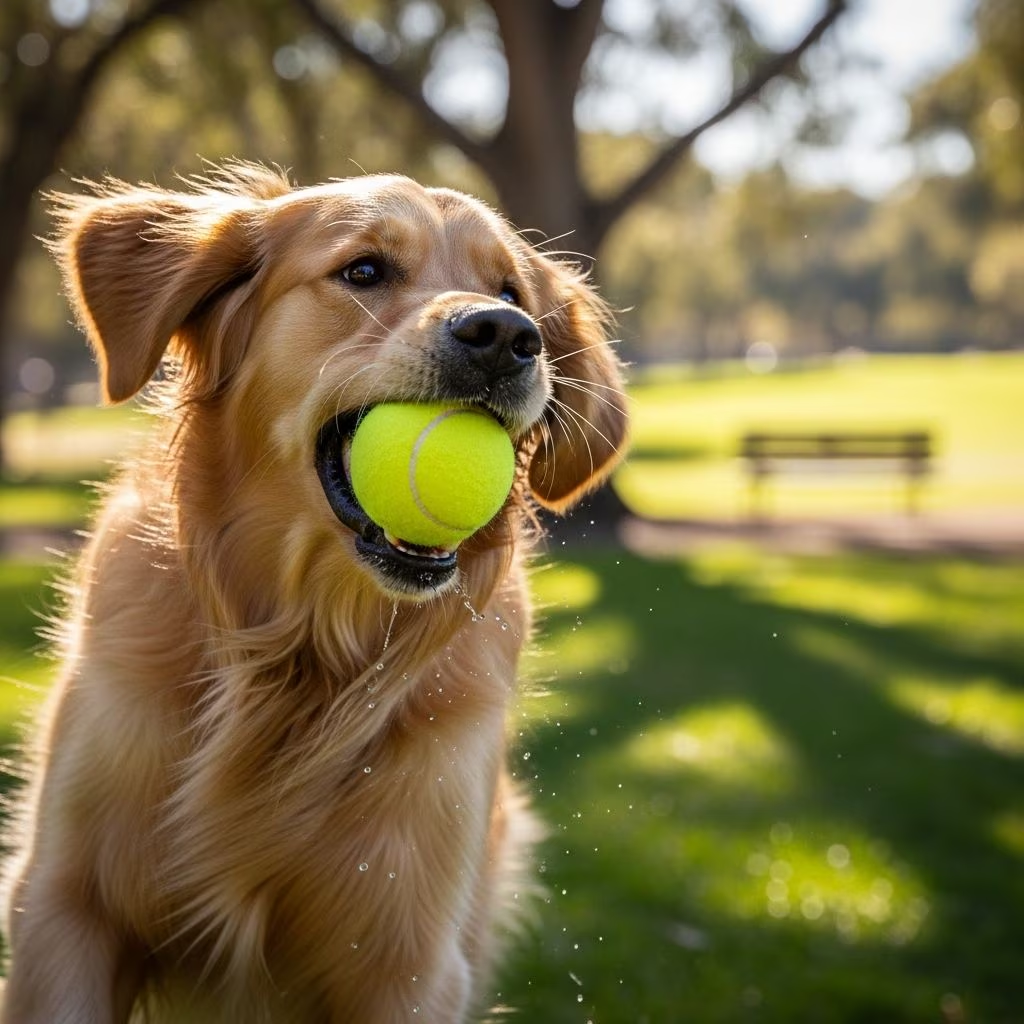
Tennis balls hold an almost magnetic appeal for dogs, sparking boundless energy and enthusiasm during playtime. This simple toy triggers a perfect storm of natural drives, sensory pleasures, and rewarding experiences that keep canines coming back for more.
The Evolutionary Roots of the Chase
At the heart of a dog’s love for tennis balls lies their ancient **prey drive**, a survival instinct inherited from wild ancestors. Wolves and early canines hunted small, quick-moving animals like rabbits or birds, which darted unpredictably to evade capture. Modern dogs, even pampered pets, retain this wiring.
When a tennis ball is thrown, its erratic bounces and rolls replicate the evasive maneuvers of prey. This unpredictable path lights up a dog’s brain, mimicking the thrill of a real hunt in a harmless backyard setting. Breeds like retrievers and herding dogs, selectively bred for chasing and fetching game, feel this pull most intensely.
- Erratic motion: Bounces off at odd angles, unlike smooth-rolling balls.
- Visual trigger: Bright yellow color stands out against grass or pavement.
- Size match: Fits perfectly in most dog mouths, ideal for carrying.
This instinctual match explains why fetch with a tennis ball feels like destiny for many dogs—it’s play that echoes their genetic heritage.
Sensory Features That Captivate
Beyond motion, the physical properties of tennis balls deliver multi-sensory delight. The **fuzzy felt exterior** provides a soft yet grippy texture that massages gums and satisfies chewing urges, especially for teething pups or heavy chewers.
The ball’s rubber core ensures high bounces, adding surprise to every throw. Dogs relish predicting—or failing to predict—its next hop, which heightens engagement. Even the faint rubbery scent can intrigue a dog’s powerful nose, associating it with fun.
| Feature | Why Dogs Love It | Comparison to Other Toys |
|---|---|---|
| Fuzzy texture | Gentle gum massage, easy grip | Smoother rubber balls lack this soothing feel |
| High bounce | Unpredictable paths mimic prey | Low-bounce toys roll predictably, less exciting |
| Durability | Withstands rough play | Many plush toys tear quickly |
| Portability | Easy to carry and drop at feet | Bulky toys harder to retrieve |
These traits make tennis balls a standout in a sea of dog toys, offering tactile feedback that chewing alone can’t match.
Brain Chemistry and Reward Loops
Playing with tennis balls floods a dog’s brain with **dopamine**, the neurotransmitter linked to pleasure and motivation. The chase builds anticipation, the catch delivers triumph, and the return earns praise—each step reinforcing the cycle.
Over repeated sessions, dogs form strong positive associations. A familiar, worn ball might even evoke nostalgia, carrying scents of past victories and bonding moments. This neurochemical high explains obsessive fetch players who ignore fatigue for ‘just one more throw.’
Research on canine behavior supports this: activities simulating hunting release endorphins, reducing stress and boosting mood. Fetch becomes addictive in the best way, providing a natural antidepressant effect.
Physical and Mental Workouts in One
Tennis balls turn play into comprehensive exercise. Chasing builds cardiovascular endurance, strengthens muscles, and improves agility. For high-energy breeds, it’s essential for preventing boredom-induced mischief like digging or barking.
Mentally, the game sharpens focus and problem-solving. Dogs learn to track trajectories, adjust for wind, and time jumps—skills that keep minds nimble. Puzzle-like elements prevent overstimulation while channeling instincts productively.
- Cardio boost: Sprints burn 100-200 calories per 15-minute session (varies by size).
- Coordination: Enhances paw-eye coordination.
- Obedience training: Teaches recall and drop-it commands naturally.
Owners report calmer, happier dogs after regular fetch routines, underscoring its holistic benefits.
Strengthening the Human-Dog Bond
Fetch isn’t solitary—it’s a duet. When a dog races back with the ball, eyes bright and tail wagging, it’s seeking approval and connection. Praise like ‘good boy!’ amplifies joy, deepening trust and affection.
This interactive play fulfills social needs, especially for pack-oriented dogs. It mimics cooperative hunting, where retrieving reinforced group bonds in wild canid packs. Today, it combats loneliness in urban settings, making tennis balls a tool for emotional wellness.
Potential Risks and Smart Alternatives
While beloved, tennis balls aren’t flawless. The felt can wear down teeth over time, and swallowed chunks pose choking hazards. Abrasive court surfaces exacerbate dental wear.
For safety:
- Supervise play; inspect for frays.
- Opt for pet-safe versions without toxic dyes.
- Limit sessions for obsessive chasers to avoid joint strain.
Alternatives include:
| Toy Type | Best For | Key Advantage |
|---|---|---|
| Rubber fetch balls | Durable chewing | Smooth surface, less wear |
| Squeaky toys | Auditory stimulation | Extra excitement trigger |
| Puzzle dispensers | Mental focus | Reduces repetitive motion |
| Flying discs | Aerial chasers | Longer throws |
Rotate toys to maintain interest and health.
Tailoring Play to Your Dog’s Breed
Not all dogs chase equally. Retrievers like Labs excel at endless fetches, while hounds prefer scent games. Terriers might ‘kill’ the ball with shakes, echoing prey dispatch instincts.
Match intensity to age and health: seniors benefit from gentle rolls, puppies from short bursts. Observe preferences—some obsess over one ball for years, a testament to personalized joy.
Fun Facts About Canine Fetch Frenzy
- Labradors were bred from fishing dogs, retrieving waterfowl—tennis balls are modern fish!
- Border Collies ‘herd’ rolling balls, using stare-and-stalk tactics.
- Some dogs ‘bury’ balls, mimicking food caching from wild days.
- Global fetch records exceed 100 meters per throw.
These quirks highlight tennis balls’ universal appeal across breeds.
FAQs
Why do some dogs ignore tennis balls?
Low-prey-drive breeds like Bulldogs or older dogs may prefer sniffing or lounging. Try scented or squeaky variants to spark interest.
Can tennis balls damage teeth?
Yes, long-term abrasion from felt can wear enamel. Use softer alternatives and vet checkups.
How often should I play fetch?
15-30 minutes daily suits most adults; adjust for energy levels to prevent overuse injuries.
Are tennis balls safe to swallow?
No—pieces can block intestines. Always supervise and choose larger sizes for big dogs.
What if my dog won’t give back the ball?
Train with trades (treat for toy) to build drop-it habit early.
References
- Why Do Dogs Love Tennis Balls So Much? — Pride+Groom. 2023. https://prideandgroom.com/blogs/news/why-do-dogs-love-tennis-balls-so-much
- Why Do Dogs Love Tennis Balls? — Mental Floss. 2023-05-12. https://www.mentalfloss.com/animals/dogs/why-do-dogs-love-tennis-balls
- Why Do Dogs Love Tennis Balls So Much? — Rover.com. 2024. https://www.rover.com/blog/why-do-dogs-love-tennis-balls/
- Why Do Dogs Love Tennis Balls? Your Guide to Dog Toys — Animal Care Centers Smyrna. 2023. https://animalcarecentersmyrna.com/why-do-dogs-love-tennis-balls-your-guide-to-dog-toys/
- Why Do Dogs Love Tennis Balls — Petworks. 2024. https://www.petworks.com/articles/why-do-dogs-love-tennis-balls/
- Why do dogs love tennis balls so much? — Price of Bath. 2023. https://www.priceofbath.com/read-our-blog/why-do-dogs-love-tennis-balls-so-much



