

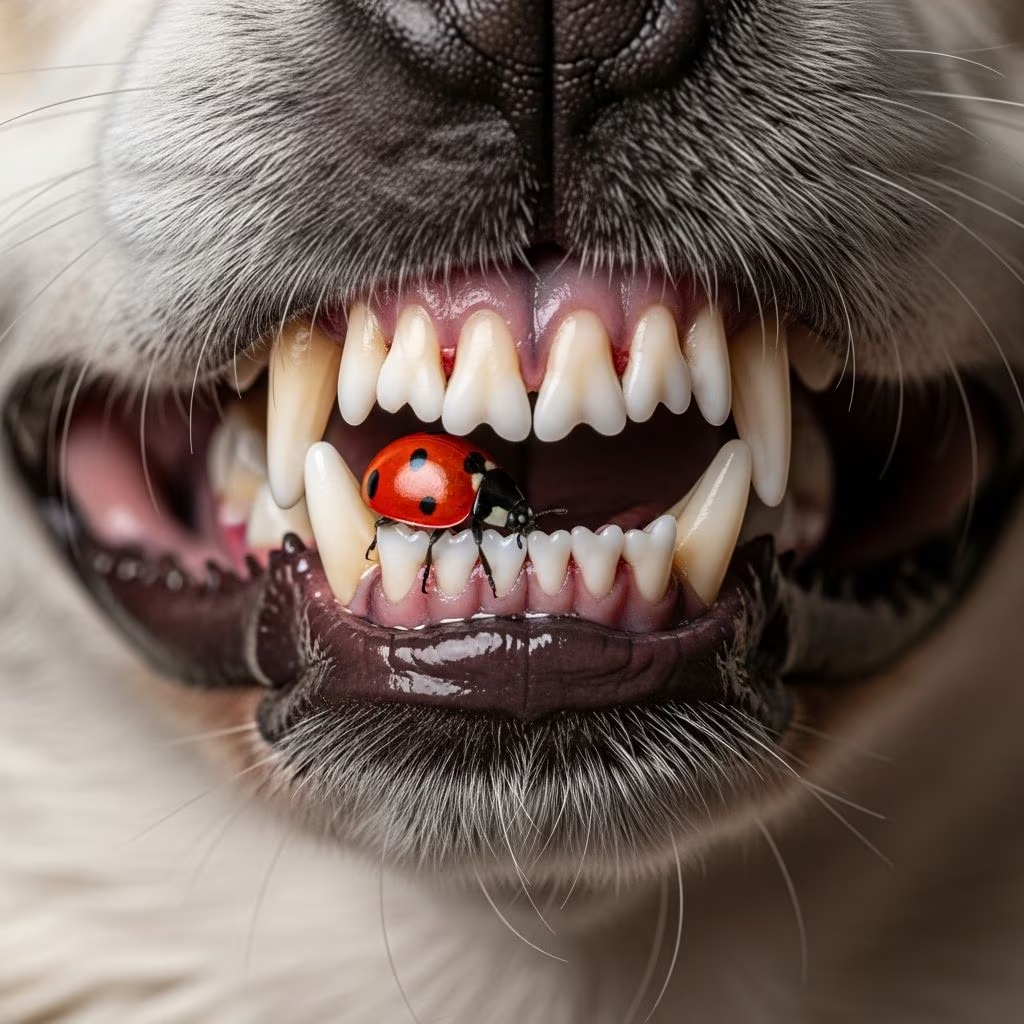
Viral social media posts have alarmed dog owners with images of ladybugs seemingly embedded in dogs’ mouths, causing burns and damage. While true native ladybugs pose minimal risk, the real danger comes from invasive Asian lady beetles, which can secrete corrosive fluids leading to mouth irritation, chemical burns, and gastrointestinal upset in dogs.
This article breaks down the differences between harmless ladybugs and harmful Asian lady beetles, symptoms to watch for, what to do if your dog ingests them, and prevention strategies to keep your pet safe.
What’s the Real Story Behind Those Viral Photos?
A few years ago, shocking photos circulated online showing dozens of ladybugs stuck to the roof of a dog’s mouth, appearing to cause severe damage. These images sparked widespread panic among pet owners, prompting questions like: Are ladybugs toxic to dogs? Should I worry if my dog eats one?
According to the American Veterinary Medical Association (AVMA), the insects in question were not native ladybugs but Asian lady beetles (Harmonia axyridis), an invasive species. In one documented 2008 case, a dog consumed about 16 of these beetles, which secreted a sticky mucous that lodged them onto the hard palate (roof of the mouth), causing corrosion akin to a chemical burn.
Veterinarians have reported similar rare cases, including in Florida practices, but they emphasize these incidents are exceptional. Most dogs eat one or two without issue, though symptoms like drooling or drowsiness warrant attention.
Ladybugs vs. Asian Lady Beetles: Key Differences
Not all red, spotted beetles are the same. Understanding the distinction is crucial for assessing risk to your dog.
- Native Ladybugs (Coccinellidae family): Small, beneficial insects that eat aphids. They rarely cause harm if eaten, though hard shells may lead to mild GI upset like vomiting or impaction in rare cases.
- Asian Lady Beetles: Larger, invasive pests with an ‘M’ shape on their head. When threatened or crushed, they release hemolymph—a yellow, bitter, foul-smelling fluid containing corrosive methoxypyrazines. This can burn mouth tissues, esophagus, and stomach.
| Feature | Native Ladybug | Asian Lady Beetle |
|---|---|---|
| Size | Smaller (4-6mm) | Larger (7-10mm) |
| Markings | Black spots | ‘M’ on head, fewer spots |
| Behavior | Beneficial, rarely invasive | Overwinters in homes, aggressive |
| Risk to Dogs | Minimal, occasional GI upset | Mouth burns, GI toxicity |
Asian lady beetles often invade homes in fall, clustering on windows and walls, increasing exposure risk for curious dogs.
Symptoms of Ladybug or Beetle Ingestion in Dogs
While rare, ingestion effects vary by quantity and species. Native ladybugs might cause transient upset, but Asian lady beetles pose higher risks due to their defensive chemicals.
- Mouth and Oral Issues: Excessive drooling, foaming, foul mouth odor, visible beetles or ulcers on palate, reluctance to eat.
- Gastrointestinal Distress: Vomiting, diarrhea (possibly bloody), inability to poop due to indigestible shells, loss of appetite.
- Behavioral Changes: Drowsiness, lethargy, pawing at mouth, unusual tiredness.
In severe cases, like the documented incident with 16 beetles, dogs developed painful ulcerations requiring veterinary removal and treatment. One vet-reported case even resulted in death from gastroenteritis after mass ingestion, though this is exceptional.
Are Ladybugs Poisonous to Dogs?
Native ladybugs are not poisonous but can irritate due to hard exoskeletons dogs can’t fully digest. Signs are usually mild and self-resolve:
- Vomiting
- Drooling
- Behavioral changes
- Drowsiness
Asian lady beetles, however, release toxic hemolymph that’s corrosive, not outright poisonous like antifreeze. Effects mimic chemical burns, especially if multiple are crushed in the mouth. Dogs rarely eat many due to the foul taste, limiting most cases to mild reactions.
Healthline notes lymph fluid can damage mouth tissues similarly to burns, with GI effects following. Monitor for 24 hours; persistent symptoms need vet care.
What to Do If Your Dog Eats a Ladybug or Beetle
Don’t panic—most incidents are benign. Follow these steps:
- Inspect the Mouth: Gently check for stuck beetles, sores, or burns. Do not crush any remaining insects, as this releases more hemolymph.
- Rinse Gently: Use clean water or saline to flush the mouth if beetles are visible.
- Monitor Symptoms: Watch for 24 hours. Mild GI upset often passes; note vomiting frequency or lethargy.
- Contact Vet: Call immediately for drooling, refusal to eat, bloody stool, or distress. Vets may remove beetles, prescribe anti-ulcer meds, or fluids.
- Prevent Dehydration: Encourage water intake; offer bland food if vomiting subsides.
For emergencies, poison hotlines like ASPCA Animal Poison Control provide guidance.
Prevention: Keep Beetles Away from Your Dog
Proactive steps reduce risks, especially during fall invasions:
- Seal Entry Points: Caulk cracks, install screens, use weatherstripping on windows/doors.
- Vacuum Intruders: Suck up clusters with a vacuum; dispose of bag outside to avoid reflex hemolymph release.
- Natural Repellents: Diatomaceous earth or citrus oils deter beetles without harming pets.
- Supervise Outdoors: Discourage eating bugs during walks; train ‘leave it’ command.
- Yard Maintenance: Reduce aphid-attracting plants that draw beetles.
These measures protect your home and dog from invasive pests.
Frequently Asked Questions (FAQs)
Are ladybugs toxic to dogs?
Most native ladybugs are not toxic but may cause mild GI upset. Asian lady beetles can irritate mouths via corrosive fluids.
What if my dog ate a ladybug?
Monitor for vomiting, drooling, or lethargy over 24 hours. Contact a vet if symptoms persist.
Can ladybugs cause chemical burns in dogs’ mouths?
Yes, Asian lady beetles’ hemolymph can cause burns, as in rare documented cases with multiple ingestions.
Are Asian lady beetles dangerous indoors?
They invade homes in clusters, increasing ingestion risk. Vacuum them promptly.
Will one ladybug hurt my dog?
Rarely. Issues arise from multiples due to cumulative fluid release.
By distinguishing species and acting swiftly, you can safeguard your dog’s health from these tiny invaders.
References
- What to Do if Your Dog Eats Ladybugs — American Kennel Club. 2023-10-12. https://www.akc.org/expert-advice/health/dog-eating-ladybugs/
- Are Ladybugs Poisonous? What You Need to Know — Healthline. 2024-05-15. https://www.healthline.com/health/are-ladybugs-poisonous
- My dog just munched on a ladybug. Should I be worried? — Dial A Vet. 2024-08-20. https://www.dialavet.com/vet-answers/dog-ate-ladybug-sick-concerns-112285
- Asian Lady Beetles: Could They Harm Your Dog? — PetMD. 2023-11-05. https://www.petmd.com/dog/emergency/poisoning-toxicity/asian-lady-beetles-could-they-harm-your-dog
- What to Do If Your Dog Swallows a Ladybug — Impact Dog Crates. 2024-02-14. https://www.impactdogcrates.com/blogs/puppy-news/what-to-do-if-your-dog-swallows-a-ladybug
- Are Ladybugs Poisonous to Dogs? — AKC (referenced in multiple). 2023. https://www.akc.org/expert-advice/health/dog-eating-ladybugs/
- Asian Lady Beetles & Dogs (2025): Vet-Approved Risks & Safety Tips — Ask A Vet. 2025-01-01. https://askavet.com/blogs/pet-health-safety/asian-lady-beetles-dogs-2025-vet-approved-risks-safety-tips-%F0%9F%90%9E%F0%9F%90%BE



