

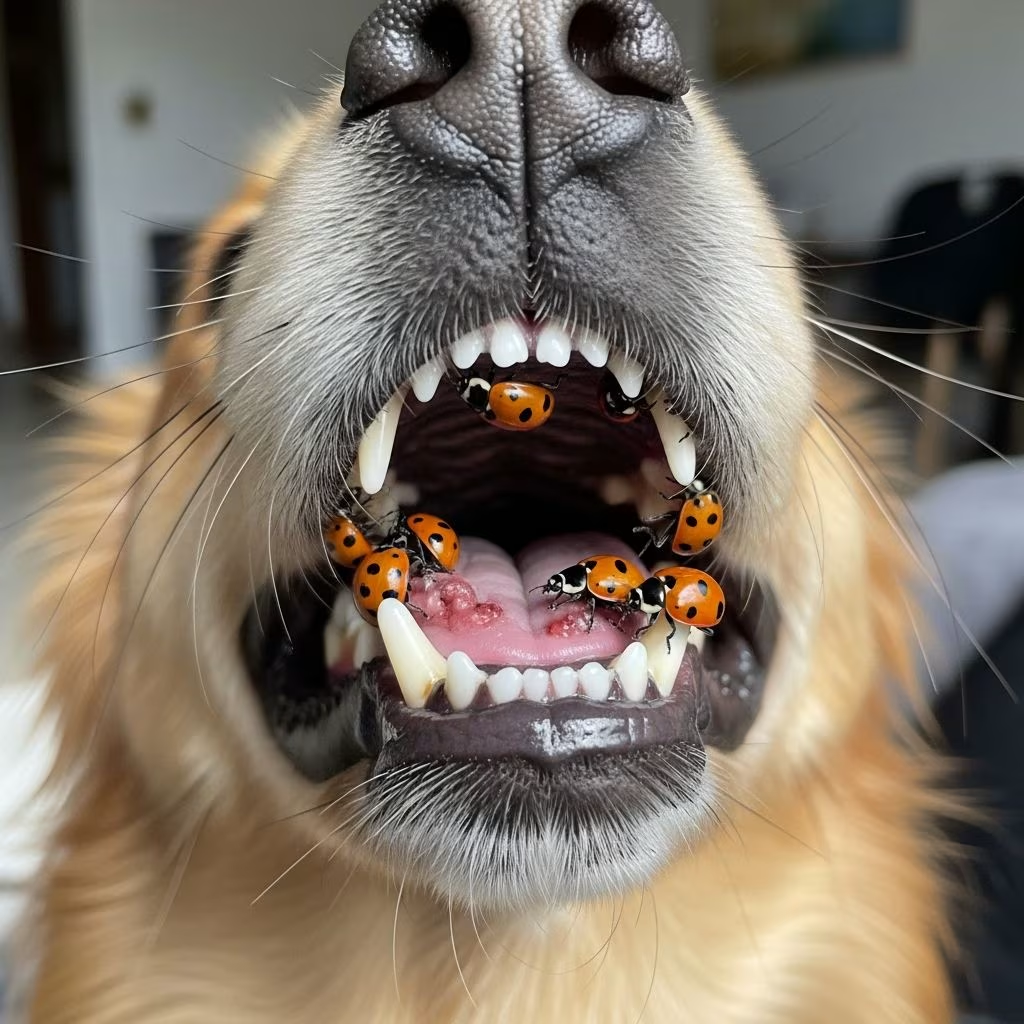
Ladybirds, also known as ladybugs, are often seen as harmless garden helpers, but they pose unexpected risks to dogs. Recent reports highlight cases where dogs’ mouths have been severely damaged after eating these insects, particularly the invasive Asian lady beetle. This article examines the dangers, symptoms, treatment options, and prevention strategies to protect your canine companion.
What Are Ladybirds and Why Do Dogs Eat Them?
Ladybirds are small, colorful beetles belonging to the Coccinellidae family. Native species are typically red with black spots and help control garden pests by eating aphids. However, dogs are naturally curious and playful, often snapping up moving insects during walks or playtime in the garden.
While a single native ladybird is usually harmless, problems arise with the Asian lady beetle (Harmonia axyridis), an invasive species introduced for pest control. These beetles look similar but have key differences: an ‘M’ or ‘W’ mark on their head and a tendency to invade homes in large numbers during autumn. Dogs may eat multiple beetles at once, especially indoors, leading to serious issues.
- Native ladybirds: Generally safe, minor stomach upset possible.
- Asian lady beetles: Release toxic hemolymph when stressed, causing burns.
The Viral Photo: Dogs with Ladybirds Stuck in Their Mouths
A few years ago, a shocking social media photo went viral showing dozens of ladybirds embedded in a dog’s mouth roof, causing what looked like chemical burns. This image alarmed pet owners worldwide. The American Veterinary Medical Association (AVMA) clarified that these were not native ladybirds but Asian lady beetles. In one documented case from 2008, a dog ingested about 16 beetles, which secreted mucousy hemolymph, lodging them onto the hard palate and corroding the tissue.
Veterinarians in areas like Florida have reported similar incidents, though rare. The beetles’ defensive reflex releases a sticky, corrosive fluid that adheres them to mucous membranes, creating painful ulcers. This explains the foul odor and bad breath often noted by owners.
How Ladybirds Damage Dogs’ Mouths
When a dog crushes ladybirds, especially Asian varieties, the insects reflexively excrete hemolymph—a yellow, foul-smelling fluid containing alkaloids like harmonine. This acts as a chemical defense, irritating soft tissues.
In the mouth, hemolymph causes:
- Chemical burns on the palate, tongue, and gums.
- Adhesion: Beetles stick firmly, worsening damage as the dog salivates or chews.
- Ulceration: Open sores develop, leading to pain and infection risk.
If swallowed, the fluid can inflame the gastrointestinal tract, though mouth damage is the primary concern. Native ladybirds produce less hemolymph and are rarely problematic, but distinguishing them visually is challenging for most owners.
Symptoms of Ladybird Ingestion in Dogs
Effects appear quickly, often within minutes to hours. Watch for these signs, especially after your dog has been chasing insects:
| Symptom | Description | Severity |
|---|---|---|
| Excessive drooling/foaming | Painful mouth leads to hypersalivation | Common |
| Foul breath or mouth odor | From hemolymph residue | Common |
| Reluctance to eat | Painful ulcers prevent chewing | Moderate |
| Vomiting | GI irritation from swallowed fluid | Mild-Moderate |
| Lethargy/drowsiness | Discomfort or systemic effects | Severe cases |
| Behavioral changes | Pawing at mouth, whining | Common |
| Diarrhea | Undigested shells cause impaction | Rare |
If beetles are visible or sores present, seek immediate vet care. One report noted a dog dying from severe gastroenteritis after ingesting many beetles, though this is exceptional.
Differentiating Ladybirds from Asian Lady Beetles
Not all ladybirds are equal. Here’s how to tell them apart:
- Native Ladybirds: Uniform black spots, no head marking, cluster outdoors.
- Asian Lady Beetles: White ‘M’ on head, orange/red with variable spots, invade homes, bite humans.
Asian beetles are larger (up to 7mm) and more aggressive. They overwinter in groups, entering through cracks, making indoor infestations common in cooler months.
What to Do If Your Dog Eats Ladybirds
Act swiftly but calmly:
- Inspect the mouth: Use a flashlight to check for stuck beetles or burns. Do not crush them, as this releases more fluid.
- Gently rinse: Use lukewarm water or saline to flush the mouth. Offer ice cubes to soothe.
- Monitor closely: Watch for 24-48 hours. Note any symptom progression.
- Contact a vet: If drooling persists, eating stops, or vomiting occurs. Vets may sedate to remove beetles, prescribe pain relief, or antibiotics for ulcers.
Most cases resolve with supportive care, but early intervention prevents complications like dehydration or secondary infections.
Treatment at the Vet
Veterinary intervention includes:
- Manual beetle removal under sedation.
- Thorough mouth rinsing and debridement of damaged tissue.
- Anti-inflammatory meds (e.g., meloxicam) for pain/swelling.
- Antibiotics if infection suspected.
- Soft food diet and oral gels for healing.
Prognosis is excellent for mild cases; recovery takes 3-7 days. Severe GI involvement may require fluids and anti-emetics.
Prevention: Keeping Ladybirds Away from Your Dog
Proactive steps reduce risk:
- Seal entry points: Caulk cracks, install screens, use weatherstripping.
- Vacuum invaders: Suck up clusters without crushing; dispose outdoors.
- Use deterrents: Diatomaceous earth or insecticidal soap (pet-safe).
- Supervise outdoors: Discourage insect-chasing during peak seasons (autumn).
- Garden maintenance: Reduce aphid-attracting plants near play areas.
For heavy infestations, consult pest control using non-toxic methods.
Are Ladybirds Poisonous to Dogs?
Native ladybirds are not truly poisonous but can cause mild irritation. Asian lady beetles’ hemolymph is corrosive, akin to a mild acid, but not lethal in small quantities. Toxicity varies by number ingested; one or two rarely cause issues, but clusters (10+) can. No antidote exists—treatment is symptomatic.
Frequently Asked Questions (FAQs)
Are all ladybirds harmful to dogs?
No, native ladybirds rarely cause harm. Asian lady beetles are the main culprits due to their corrosive hemolymph.
What should I do if my dog vomits after eating ladybirds?
Monitor for other symptoms. If persistent or accompanied by lethargy, contact your vet immediately.
Can cats be affected by ladybirds too?
Possibly, though fewer cases reported. Symptoms similar; consult vet if suspected.
How many ladybirds does it take to harm a dog?
One documented case involved 16 beetles. Even fewer can irritate sensitive dogs.
Is the viral photo real?
Yes, but it depicts Asian lady beetles, not native ones. Isolated but verified cases exist.
References
- My dog just ate a ladybug, is that dangerous? – Dial A Vet — Dial A Vet. 2023. https://www.dialavet.com/vet-answers/dog-ate-ladybug-safe-3561
- What to Do if Your Dog Eats Ladybugs — American Kennel Club. 2023-10-12. https://www.akc.org/expert-advice/health/dog-eating-ladybugs/
- Are Ladybugs Poisonous? What You Need to Know — Healthline. 2023. https://www.healthline.com/health/are-ladybugs-poisonous
- Asian Lady Beetles & Dogs (2025): Vet-Approved Risks & Safety Tips — Ask A Vet. 2025. https://askavet.com/blogs/pet-health-safety/asian-lady-beetles-dogs-2025-vet-approved-risks-safety-tips-%F0%9F%90%9E%F0%9F%90%BE
- Asian Lady Beetles: Could They Harm Your Dog? — PetMD. 2023. https://www.petmd.com/dog/emergency/poisoning-toxicity/asian-lady-beetles-could-they-harm-your-dog
- What to Do If Your Dog Swallows a Ladybug — Impact Dog Crates. 2023. https://www.impactdogcrates.com/blogs/puppy-news/what-to-do-if-your-dog-swallows-a-ladybug



