

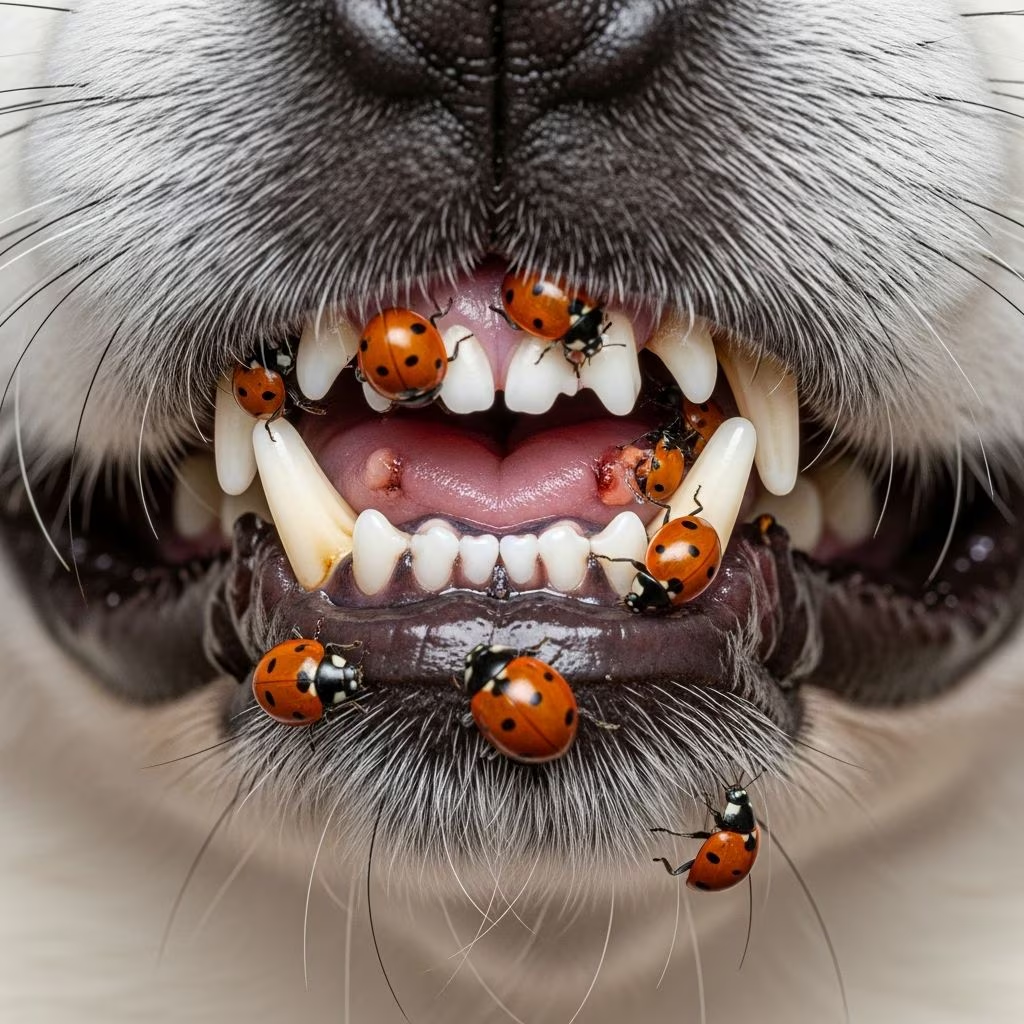
Ladybirds, often seen as harmless garden helpers, can pose unexpected risks to dogs, particularly when distinguishing between native species and invasive Asian lady beetles. These beetles can secrete corrosive fluids causing severe mouth damage, chemical burns, and gastrointestinal upset in dogs that ingest them. Viral images of dogs with dozens of beetles stuck to their palates have alarmed pet owners, highlighting a rare but serious issue backed by veterinary reports. This article examines the dangers, symptoms, prevention strategies, and treatment options to safeguard your dog’s health.
Understanding the Ladybird Threat to Dogs
Native ladybirds are typically beneficial insects that control garden pests like aphids, proving harmless if eaten by dogs. However, Asian lady beetles (Harmonia axyridis), an invasive species, differ markedly. When threatened or crushed in a dog’s mouth, they release hemolymph—a yellow, foul-smelling fluid containing methoxypyrazines and alkaloids that irritate tissues. This secretion acts corrosively, akin to a chemical burn, embedding beetles in the mouth’s mucous membranes. A documented case involved a dog with 16 beetles lodged on its hard palate, causing ulceration and pain. While rare, such incidents underscore the need for awareness, as these beetles invade homes in autumn seeking warmth.
Dogs’ natural curiosity leads them to snap at these brightly colored insects, but the hard exoskeleton resists digestion, potentially causing impaction, while the toxins provoke immediate reactions. Veterinary entomologist Dr. Nancy C. Hinkle notes that swallowing beetles quickly minimizes mouth damage but doesn’t eliminate gastrointestinal risks. Florida vets have reported multiple cases of painful oral ulcers from beetle ingestion. Understanding this distinction—harmless native ladybirds versus problematic Asian invaders—is crucial for pet safety.
Signs and Symptoms of Ladybird Damage in Dogs
Recognizing early symptoms enables prompt intervention. Common signs include:
- Excessive drooling or foaming at the mouth: The foul-tasting hemolymph triggers profuse salivation as dogs attempt to expel the irritant.
- Reluctance to eat or drink: Painful ulcers on the palate or tongue cause anorexia.
- Foul odor from the mouth: Beetle secretions produce a distinctive stench.
- Vomiting and diarrhea: Gastrointestinal irritation may lead to emesis, sometimes bloody, or loose stools.
- Lethargy and behavioral changes: Drowsiness, withdrawal, or agitation signals systemic distress.
- Visible beetles or sores in mouth: Check palate for embedded insects or lesions.
These symptoms can appear within minutes to hours post-ingestion. In severe cases, like one fatal instance reported anecdotally, untreated gastroenteritis escalates. The American Kennel Club advises monitoring for inability to defecate due to indigestible shells. Prompt veterinary attention prevents complications like dehydration or secondary infections.
Why Do Ladybirds Cause Such Damage?
Asian lady beetles’ defense mechanism relies on reflex bleeding from leg joints, releasing alkaloids that deter predators. In dogs, crushing multiple beetles activates this en masse, coating oral tissues in corrosive mucus. The hard palate’s vascular mucous membrane is particularly vulnerable, allowing beetles to adhere tightly. Unlike native ladybirds with milder secretions, Asian species produce higher toxin concentrations, explaining disproportionate harm. A 2008 veterinary abstract details palate corrosion mimicking chemical burns, with embedded beetles requiring manual extraction. Factors exacerbating damage include consuming clusters (common in invasions) and sensitive dog breeds. Dogs drinking water post-ingestion may dislodge some beetles, reducing esophageal risks. This biological weaponry, effective against wild predators, translates poorly to canine physiology.
What to Do If Your Dog Eats Ladybirds
Act swiftly if ingestion is suspected:
- Inspect the mouth immediately: Gently open jaws to remove visible beetles using tweezers; rinse with water or saline.
- Monitor closely for 24-48 hours: Note symptoms like drooling or vomiting.
- Contact your vet promptly: Describe incident details; seek exam if symptoms emerge.
- Provide supportive care: Offer ice chips for pain, soft foods, and hydration.
Vets may administer sucralfate-lidocaine-diphenhydramine mouthwashes for ulcers, anti-emetics for nausea, or fluids for dehydration. Most cases resolve with treatment; manual beetle removal and ulcer care suffice in mild instances. Avoid inducing vomiting without vet guidance, as it risks further irritation. In the rare documented cases, dogs recovered fully post-intervention.
Prevention Tips to Protect Your Dog
Proactive measures minimize risks:
- Seal home entry points: Caulk cracks, install screens; vacuum invading swarms without crushing to avoid pheromone release.
- Supervise outdoor time: Deter sniffing at beetle clusters, especially autumn.
- Use deterrents: Peppermint oil or diatomaceous earth repels beetles safely.
- Regular mouth checks: Post-outdoor play, inspect for embedded insects.
- Yard maintenance: Reduce aphid-attracting plants that draw ladybirds.
During peak invasion seasons, vigilance peaks effectiveness. Educating family members on beetle ID—Asian types have black/white markings versus native plain red—enhances prevention.
Are All Ladybirds Dangerous to Dogs?
No—primarily Asian lady beetles pose threats; native UK/EU species rarely cause issues beyond mild stomach upset. Distinguish by appearance: Asians feature M-shaped thorax markings and larger size. While one-off native ladybird ingestion is benign, repeated Asian beetle consumption risks escalation.
Frequently Asked Questions (FAQs)
Are ladybirds poisonous to dogs?
Not truly poisonous, but Asian lady beetles’ secretions cause irritation, burns, and GI upset.
What if my dog vomits after eating a ladybird?
Monitor; contact vet if persistent or with other symptoms like lethargy.
Can cats be affected similarly?
Possible, though fewer cat cases reported; symptoms mirror dogs’.
How many ladybirds cause harm?
Even a few suffice; 16 documented in one case, but clusters amplify risk.
Is treatment always needed?
Mild cases self-resolve; vet care essential for symptoms.
This comprehensive guide equips dog owners to handle ladybird risks effectively. Stay vigilant, act quickly, and consult professionals for peace of mind.
References
- My dog just ate a ladybug, is that dangerous? – Dial A Vet — Dial A Vet. 2023-10-15. https://www.dialavet.com/vet-answers/dog-ate-ladybug-safe-3561
- What to Do if Your Dog Eats Ladybugs – American Kennel Club — American Kennel Club. 2023-05-20. https://www.akc.org/expert-advice/health/dog-eating-ladybugs/
- Are Ladybugs Poisonous? What You Need to Know – Healthline — Healthline. 2024-02-12. https://www.healthline.com/health/are-ladybugs-poisonous
- Asian Lady Beetles: Could They Harm Your Dog? – PetMD — PetMD. 2024-08-05. https://www.petmd.com/dog/emergency/poisoning-toxicity/asian-lady-beetles-could-they-harm-your-dog
- What to Do If Your Dog Swallows a Ladybug – Impact Dog Crates — Impact Dog Crates. 2023-11-08. https://www.impactdogcrates.com/blogs/puppy-news/what-to-do-if-your-dog-swallows-a-ladybug



