

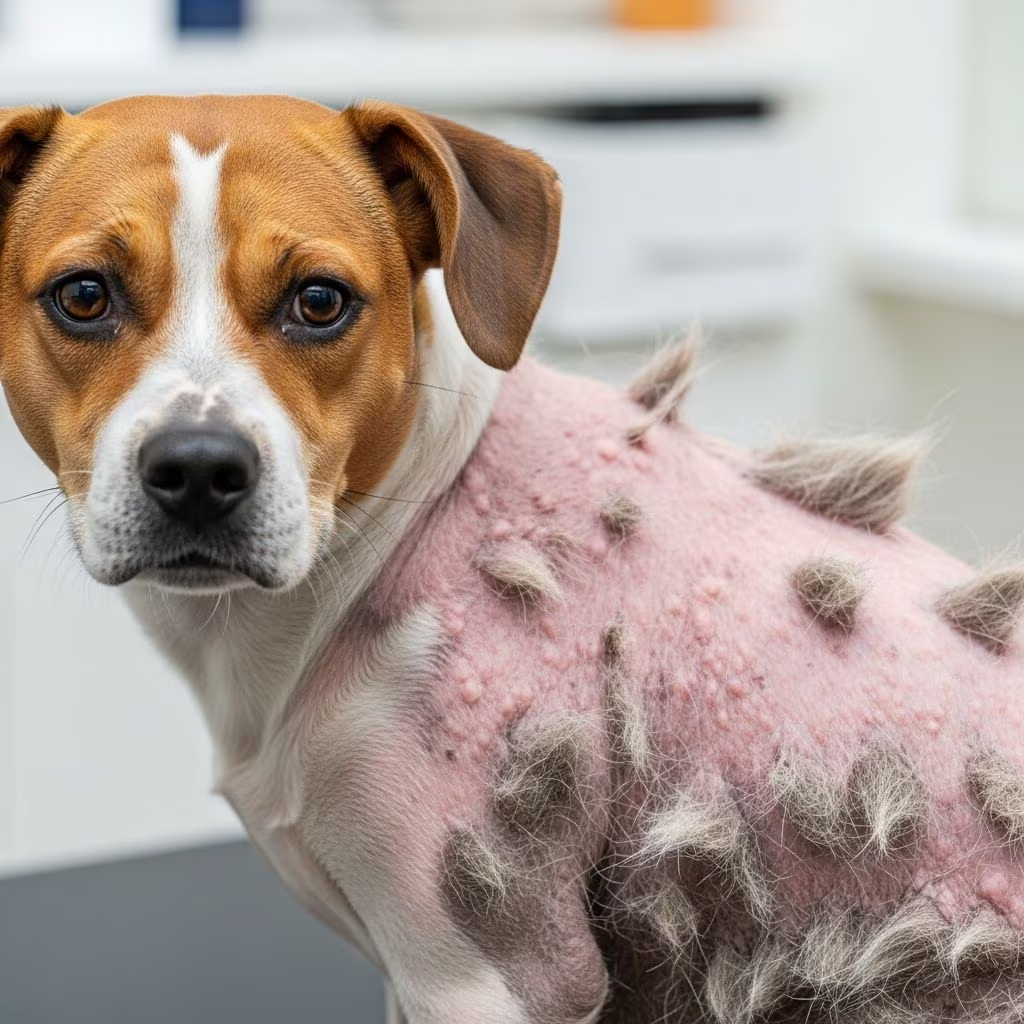
Observing your dog lose fur in distinct clumps can be alarming, as it often goes beyond normal seasonal shedding. This patchy hair loss typically points to underlying health concerns that require prompt attention to restore your pet’s comfort and appearance.
Recognizing Abnormal Fur Loss Patterns
Normal shedding involves diffuse hair dispersal across the body, but clumpy loss appears as bald patches, often on the back, flanks, tail base, or legs. Accompanying signs include itching, redness, scaling, or odor, distinguishing it from routine coat cycles. Double-coated breeds like Huskies or Shepherds shed heavily twice yearly, yet clumps suggest irritation or disease.
Primary Triggers for Clumpy Shedding
Several factors contribute to this issue, ranging from external parasites to internal imbalances. Identifying the root cause is essential for targeted intervention.
Parasitic Infestations
Fleas, ticks, mites, and lice irritate the skin, prompting excessive scratching or chewing that pulls fur in clumps. Mange mites, particularly Sarcoptes scabiei, burrow into skin, causing intense itchiness and symmetrical bald spots on ears, elbows, and hocks. Flea dirt—black specks from digested blood—often litters affected areas.
Allergic Reactions
Environmental allergens like pollen, dust, or mold trigger atopic dermatitis, leading to inflamed skin and hair fallout in clumps. Food sensitivities to proteins in beef, chicken, or grains cause similar symptoms, frequently with ear infections or paw licking.
Nutritional Shortfalls
Inadequate intake of omega fatty acids, zinc, biotin, or proteins weakens hair follicles, resulting in brittle fur that sheds unevenly. Diets lacking these essentials produce dull coats prone to clumping loss.
Skin Pathogens and Infections
Bacterial pyoderma or fungal issues like ringworm create crusty lesions and alopecia in patches. Yeast overgrowth in moist areas exacerbates shedding with greasy fur and foul smells.
Hormonal Disruptions
Hypothyroidism slows metabolism, thinning the coat symmetrically from flanks to tail. Cushing’s disease elevates cortisol, causing pot-bellied appearance alongside clumpy dorsal hair loss.
Stress-Induced Shedding
Environmental changes, separation anxiety, or loud disturbances prompt telogen effluvium, where hair follicles enter resting phase prematurely, releasing clumps.
Step-by-Step Home Assessment
Before rushing to the vet, conduct a thorough check:
- Inspect Skin: Part fur to reveal redness, bumps, scabs, or parasites. Use a flea comb for black specks.
- Review Diet: Note recent food changes or treats that might spark allergies.
- Observe Behavior: Track scratching frequency, lethargy, or appetite shifts.
- Groom Gently: Brush with a deshedding tool to gauge looseness and distribution.
Photograph changes for vet reference. Avoid home remedies like human shampoos, which worsen irritation.
Veterinary Diagnostic Approaches
Professionals employ precise tests to pinpoint issues. Common procedures include:
| Test | Purpose | Expected Findings |
|---|---|---|
| Skin Scraping | Detect mites or infections | Mites, bacteria, yeast under microscope |
| Flea Comb Exam | Confirm parasites | Flea dirt or live insects |
| Blood Panel | Check hormones, organs | Thyroid levels, cortisol excess |
| Allergy Testing | Identify triggers | Positive reactions to pollen/food |
| Skin Biopsy | Rule out tumors/autoimmune | Cancer cells or dysplasia |
| Food Trial | Test sensitivities | Improvement after elimination diet |
These yield results in days to weeks, guiding therapy.
Tailored Treatment Strategies
Remedies address specific diagnoses:
- Parasites: Topical selamectin or oral ivermectin; treat home thoroughly.
- Allergies: Antihistamines like cetirizine, short-term steroids, or hypoallergenic kibble.
- Infections: Cephalexin antibiotics or ketoconazole antifungals with medicated baths.
- Nutrition: Omega-3 supplements, biotin-enriched diets.
- Hormones: Levothyroxine for thyroid, trilostane for Cushing’s.
- Stress: Pheromone diffusers, behavior modification.
Complete full courses to avert resistance. Weekly grooming accelerates recovery.
Long-Term Prevention Blueprint
Proactive measures minimize recurrence:
- Year-Round Parasite Control: Prescribed preventatives shield against fleas/ticks.
- Premium Nutrition: AAFCO-approved foods with balanced fats/vitamins.
- Grooming Schedule: Brush 3-7 times weekly; bathe monthly with coat-friendly products.
- Annual Vet Exams: Screen for subclinical issues early.
- Stress Mitigation: Consistent routines, enrichment toys.
Breed-Specific Vulnerabilities
Certain breeds face heightened risks:
- Heavy shedders (Labs, Goldens): Prone to allergies.
- Short-nosed (Pugs): Skin folds trap infections.
- Seniors: Hormonal shifts common.
Customize care accordingly.
FAQs on Clumpy Fur Loss
Is clumpy shedding always serious?
Not always, but persistent cases with skin changes warrant vet evaluation to exclude disease.
How long until fur regrows?
With treatment, 4-12 weeks; supplements hasten process.
Can diet alone fix it?
Helpful for deficiencies, but parasites/allergies need meds.
Should I shave patchy areas?
No—irritates follicles; clip matted fur only.
Are supplements safe?
Vet-approved ones yes; excess fish oil risks diarrhea.
Monitoring Progress and When to Escalate
Track improvements weekly. No change in 2 weeks? Return for recheck. Emergency if bleeding sores or severe lethargy emerge.
References
- Is Your Dog Shedding A Lot? Here’s What You Can Do — Cuddlytails. 2023. https://www.cuddlytails.com/blogs/excessive-shedding-in-dogs-what-to-do/
- Why Is My Dog Shedding So Much? — PetMD. 2024-01-15. https://www.petmd.com/dog/symptoms/skin/excessive-shedding-in-dogs
- Dog Shedding: What to Expect And How to Manage It — American Kennel Club. 2023-05-20. https://www.akc.org/expert-advice/health/dog-shedding-what-to-expect-and-how-to-manage-it/
- Why Is My Pet Losing Hair in Clumps? — Mokena Animal Clinic. 2022-11-10. https://www.mokenaanimalclinic.com/blog/why-is-my-pet-losing-hair-in-clumps
- Why Is My Dog Shedding So Much? — VEG ER for Pets. 2024. https://www.veg.com/post/why-is-my-dog-excessively-shedding
- Why is my dog shedding? — WagWalking. 2023-08-05. https://wagwalking.com/symptom/why-is-my-dog-shedding



