

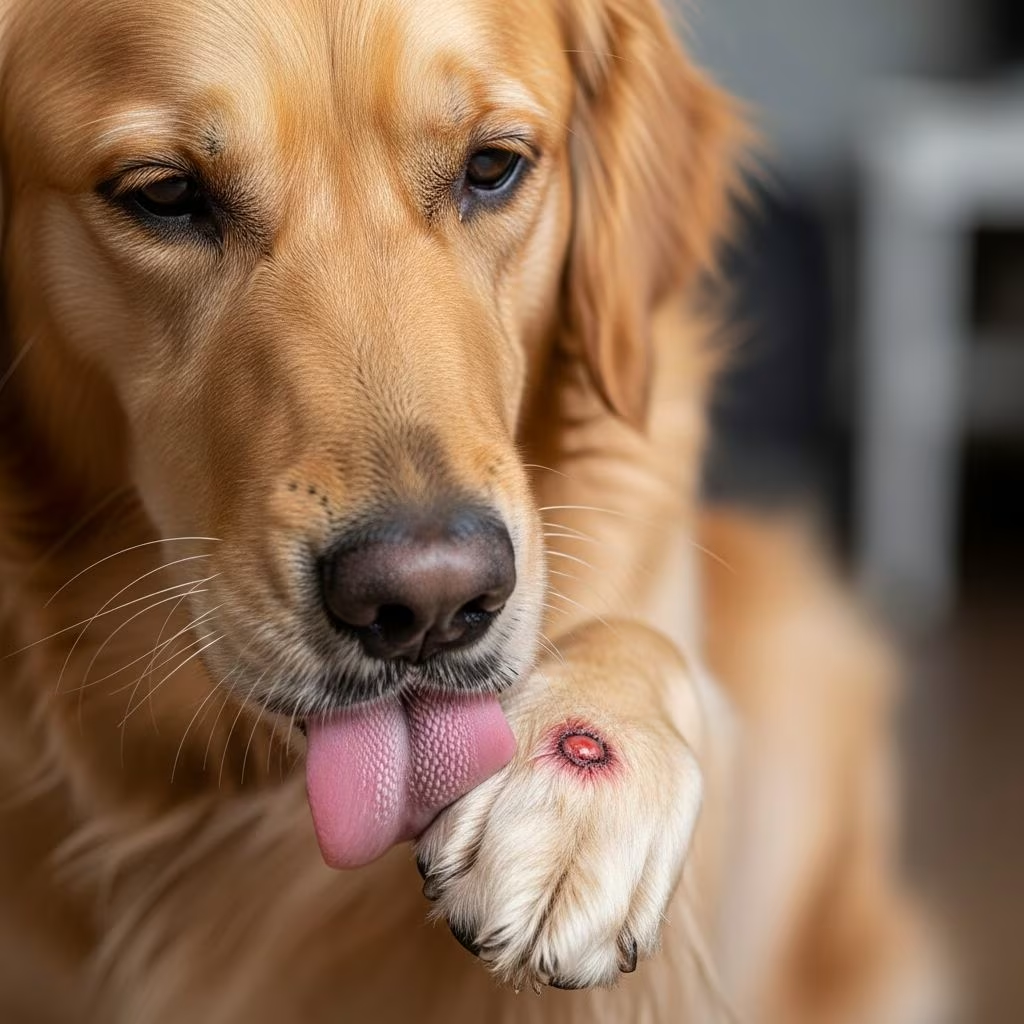
Dogs often lick wounds on their owners or themselves as a natural response driven by instinct, aiming to clean, soothe pain, and promote healing through saliva’s mild properties. However, this behavior carries risks like infection from bacteria in saliva, making veterinary care preferable.
The Natural Drive Behind Canine Licking
Canines have an innate tendency to lick injuries, a behavior observed across mammals including dogs, cats, and primates. This action serves multiple purposes: mechanically removing debris such as dirt, hair, or damaged tissue from the site, which helps prevent initial contamination. The physical sensation of licking also overloads nerve endings, providing temporary pain relief similar to how humans rub a bumped elbow.
Historically, this practice dates back centuries, with ancient cultures like the Egyptians attributing healing powers to animal saliva. Modern observations confirm dogs view their human families as pack members, prompting them to ‘groom’ wounds as they would for littermates or themselves.
Scientific Insights into Dog Saliva
Dog saliva contains compounds with limited antibacterial effects. Proteins like histatins promote wound closure by encouraging skin cells to migrate and heal faster, while nitrite converts to nitric oxide on contact with skin, offering protection against certain pathogens. Additionally, nerve growth factor in saliva may accelerate tissue repair.
Yet, these benefits are mild and strain-specific; saliva combats only a few bacterial types effectively. It harbors over 600 bacterial species, many harmless in a dog’s mouth but risky when introduced to open human or canine skin. Excessive moisture from prolonged licking delays scab formation and creates a breeding ground for problematic microbes.
| Saliva Component | Potential Benefit | Limitations/Risks |
|---|---|---|
| Histatins | Wards off infection, speeds closure | Effective against limited bacteria |
| Nitric Oxide (from nitrite) | Protects cuts from pathogens | Not comprehensive antimicrobial |
| Nerve Growth Factor | Enhances tissue healing | Overpowered by saliva bacteria |
| Mechanical Action | Removes debris | Can reopen wounds if excessive |
Why Dogs Target Human Injuries
When a dog notices blood, an open cut, or even a sore on their owner, they respond with sniffing followed by deliberate licks. This stems from empathy-like pack care: dogs sense pain through cues like grimacing or changes in scent, interpreting the injury as something needing attention. Licking also releases serotonin in the dog’s brain, reinforcing the comforting behavior as a bonding ritual.
Some dogs lick more persistently, turning a gentle clean into potential harm by stripping new skin or embedding mouth bacteria. Factors like stress or anxiety can amplify this, where licking becomes a self-soothing mechanism projected onto the owner’s wound.
- Pack Bonding: Treats humans as family, grooming to nurture.
- Pain Detection: Responds to visual, olfactory, or behavioral injury signals.
- Affection Display: Combines care with submission or love.
- Curiosity: Explores novel tastes or smells from the wound.
Licking Their Own Wounds: Help or Hindrance?
For self-inflicted injuries, dogs lick to manage itchiness, irritation, or pain from the exposed area. Initial licks clean effectively, but persistence introduces saliva bacteria and keeps the site too wet, impeding dry healing. Vets often prescribe e-collars (cones) post-surgery because unchecked licking reopens incisions, leading to infection or delayed recovery.
Monitor for signs of over-licking: reddened skin, moist sores that won’t close, or foul odors indicating bacterial overgrowth. Healed areas may itch during regeneration, prompting renewed licking that cycles back to damage.
Health Risks of Allowing Licks
While folklore praises saliva as a healer, evidence shows net harm outweighs benefits for both parties. Human wounds risk zoonotic transfer of capnocytophaga or pasteurella bacteria, potentially causing serious cellulitis in immunocompromised individuals. Dogs’ own wounds face similar threats, with saliva’s ‘good’ bacteria outnumbered by opportunists thriving in warm, moist environments.
Small, superficial cuts might tolerate brief licks if promptly cleaned afterward, but deeper or larger injuries demand prevention. Children’s wounds pose extra concern due to thinner skin and higher infection susceptibility.
Best Practices for Wound Management
Proper care surpasses instinctual licking. For human injuries:
- Clean immediately with soap and water or saline.
- Apply antibiotic ointment and a sterile bandage.
- Seek medical help for deep cuts, signs of infection (redness, pus, fever), or if on face/joints.
For dogs:
- Trim fur around the wound gently.
- Rinse with vet-approved antiseptic.
- Use e-collars, bitter sprays, or healing balms to deter licking.
- Consult a vet for antibiotics, pain relief, or stitches.
Alternatives like moisturizing post-healing balms reduce itch, curbing the lick urge. Indoor potty solutions keep paws cleaner, minimizing contaminant introduction.
Training Dogs to Avoid Wound Licking
Redirect the instinct positively. When your dog approaches a wound:
- Say a firm “no” and distract with a toy or command like “sit.”
- Reward calm behavior away from the area.
- Teach “leave it” using treats for compliance.
- Provide alternative comforts: gentle petting, face licks (non-wound), or playtime.
Consistency builds new habits, preserving the bonding without risks. If licking signals anxiety, enrich their environment with puzzles or exercise.
When to Seek Professional Help
Intervene if wounds show swelling, heat, discharge, lethargy, or refusal to eat—these signal infection needing antibiotics. Human symptoms like spreading redness or fever warrant urgent care. Puppies, seniors, or pets with conditions like diabetes face amplified risks.
| Wound Type | Monitor For | Action |
|---|---|---|
| Superficial Scratch | Mild redness | Clean, bandage; watch 24-48 hrs |
| Deep Cut/Bite | Bleeding >10 min, debris | Vet ER immediately |
| Post-Surgery | Any licking, seepage | E-collar + vet check |
| Chronic Sore | No improvement in 3 days | Professional diagnosis |
FAQs
Is dog saliva antibacterial?
Yes, mildly so due to histatins and nitric oxide, but it contains more harmful bacteria overall, risking infection.
Should I let my dog lick a small cut?
Briefly if superficial, but clean thoroughly after; avoid for anything serious to prevent complications.
Why does my dog lick old scars?
Itchy healing skin or scent changes trigger the instinct; apply moisturizer and distract.
Can dog licks heal wounds faster?
Some proteins aid closure, but mechanical damage and bacteria negate benefits long-term.
How do I stop excessive self-licking?
Use cones, sprays, or socks on limbs; address underlying pain or allergies with a vet.
Preventing Wounds in Active Dogs
Proactive steps reduce incidents: regular grooming checks for hot spots, paw booties for rough terrain, and nail trims prevent scratches. Balanced diets support skin health, minimizing itch-related licks. Routine vet exams catch issues early.
Understanding this behavior fosters better human-canine relationships, channeling instincts safely. While touching, prioritize evidence-based care for optimal outcomes.
References
- Why Do Dogs Lick Wounds? — Whole Dog Journal. 2023. https://www.whole-dog-journal.com/health/why-do-dogs-lick-wounds/
- Why Do Dogs Always Lick Your Cuts — WagWalking. 2024. https://wagwalking.com/behavior/why-do-dogs-always-lick-your-cuts
- Why Do Dogs Lick Their Wounds? — DoggieLawn. 2024-11-12. https://doggielawn.com/blogs/blog/why-do-dogs-lick-their-wounds
- Why Does My Dog Lick My Sores? Understanding Canine Behavior — OreaTeai. 2024. https://www.oreateai.com/blog/why-does-my-dog-lick-my-sores-understanding-canine-behavior/a7b8fb8bcb1090fe43bef5a754b75877
- Why Does My Dog Lick My Wounds? — PetMD. 2024. https://www.petmd.com/dog/behavior/why-does-my-dog-lick-my-wounds



