

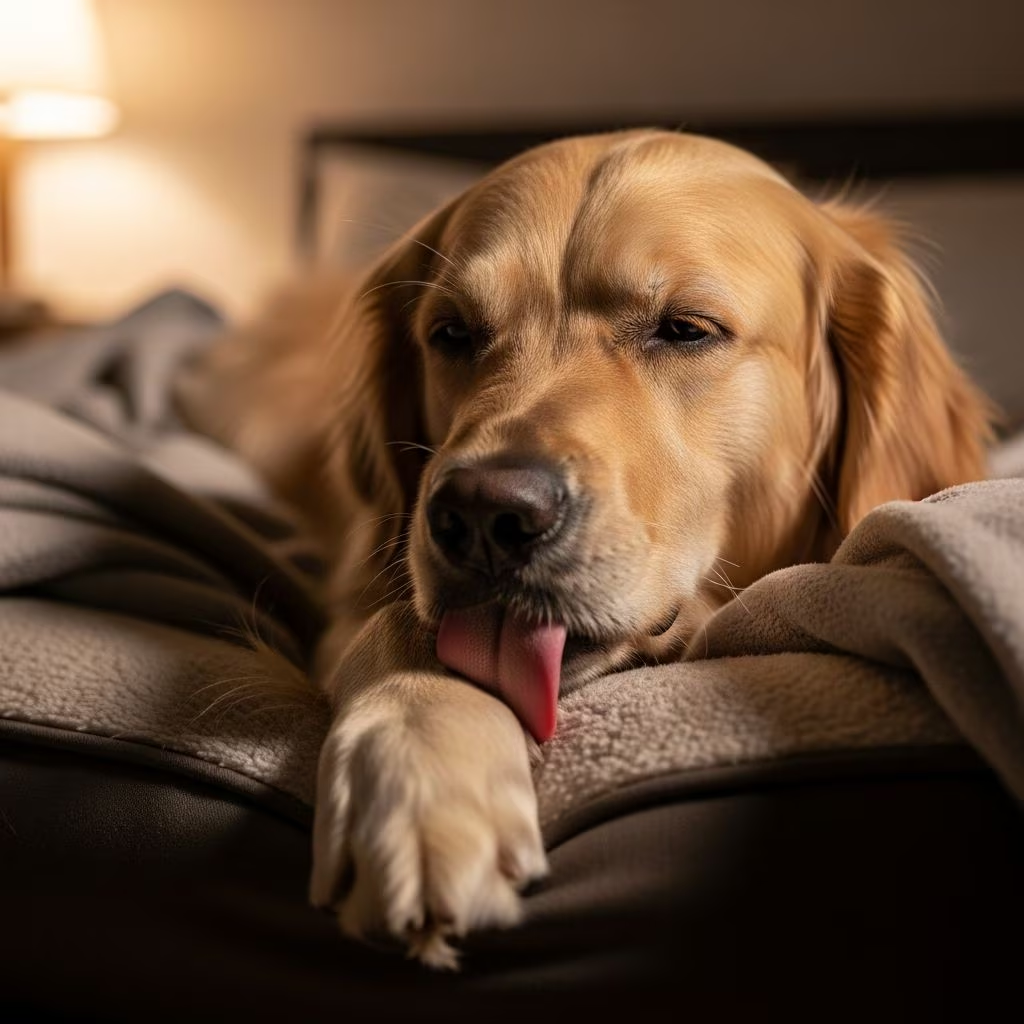
Dogs often engage in licking behaviors right before settling down for the night, a ritual that can seem endearing but sometimes hints at deeper issues. This article delves into the natural instincts driving this habit, when it crosses into problematic territory, and practical steps for pet owners to ensure their dog’s comfort and health.
The Instinctual Grooming Ritual at Bedtime
Canines have maintained grooming as a core survival mechanism for millennia, using their tongues to maintain hygiene much like wild ancestors did in harsh environments. Before sleep, when activity levels drop, dogs frequently turn to self-licking to remove debris accumulated during the day—dirt from walks, food residues, or loose fur. This process not only keeps their coat clean but also distributes natural oils that protect the skin and enhance insulation for restful slumber.
Research from veterinary behaviorists indicates that this pre-sleep grooming mimics the calming routines observed in wolf packs, where individuals clean each other to reinforce social bonds and prepare for vulnerability during rest. For domestic dogs, the quiet evening hours provide an ideal window for this activity, free from distractions like play or family interactions. A gentle lick across paws, belly, or flanks signals contentment, helping the dog transition into relaxation mode by stimulating endorphin release, which promotes drowsiness.
- Cleanliness boost: Removes daily grime to prevent bacterial buildup.
- Oil distribution: Spreads sebum for skin health and waterproofing.
- Relaxation aid: Triggers calming hormones for better sleep quality.
Distinguishing Healthy Licking from Overgrooming
Not all licking is benign; pet owners must learn to differentiate casual maintenance from compulsive actions. Normal pre-bed licking lasts a few minutes, targets varied body areas, and leaves the skin intact without bald patches or irritation. In contrast, excessive grooming persists beyond 10-15 minutes, focuses on specific spots like paws, groin, or tail base, and often accompanies restlessness or disrupted sleep.
Visual cues of concern include inflamed skin, thinning hair, or moist dermatitis from saliva accumulation. Behavioral shifts, such as whining, pacing, or avoidance of favorite activities, further suggest underlying discomfort. Tracking these patterns via a simple journal—noting duration, location, and triggers—empowers owners to spot trends early.
| Normal Grooming | Excessive Licking |
|---|---|
| Brief sessions (2-5 min) | Prolonged (15+ min) |
| Even distribution across body | Localized to one area |
| No skin changes | Redness, hair loss, sores |
| Dog settles quickly after | Interrupts sleep or play |
Common Medical Triggers for Pre-Sleep Licking
External Parasites and Itch Cycles
Fleas, ticks, and mites provoke intense itching, peaking at night when cooler temperatures activate parasites. Dogs lick furiously to soothe bites, often worsening inflammation through saliva’s moisture. Veterinary exams using flea combs or skin scrapings confirm infestations, treatable with prescription topicals or orals that break the life cycle.
Bacterial and Yeast Infections
Warm, humid body folds like toes or armpits foster yeast overgrowth, yielding greasy, odorous patches that itch relentlessly. Bacterial hotspots from minor wounds escalate similarly. Diagnosis involves cytology swabs, followed by medicated shampoos or antibiotics to restore balance.
Allergic Reactions: Environment and Diet
Pollen, dust mites, or mold trigger **atopic dermatitis**, manifesting as paw-chewing or flank-licking before bed. Food sensitivities to proteins like beef or grains compound this, identified via elimination diets lasting 8-12 weeks. Antihistamines or immunotherapy offer long-term relief.
Pain-Related Licking Behaviors
Injuries, arthritis, or joint dysplasia prompt targeted licking to numb pain via endorphins. Older dogs especially lick hips or elbows, limping subtly during the day. Radiographs and physical therapy pinpoint issues, with NSAIDs providing swift alleviation under vet supervision.
Psychological Factors Influencing Nighttime Habits
Boredom in understimulated dogs leads to habitual licking as a displacement activity, while separation anxiety amplifies it during wind-down. Thunderstorms or routine changes heighten stress, prompting self-soothing licks. Enrichment like puzzle toys, extended walks, or pheromone diffusers curbs this effectively.
- Daily exercise: 30-60 minutes to expend energy.
- Mental stimulation: Training sessions or scent games.
- Calm environment: Consistent bedtime routines reduce anxiety.
Diagnostic Steps and Home Monitoring
Begin with a thorough home inspection: check for fleas, examine skin for lesions, and review diet history. Video nighttime sessions to share with your vet, who may recommend bloodwork, allergy panels, or imaging. Early intervention prevents chronic issues like lick granulomas—thickened skin nodules from nonstop trauma.
Proven Remedies and Prevention Strategies
For mild cases, oatmeal baths soothe itch, while essential fatty acid supplements bolster skin barriers. Flea preventives year-round deter parasites, and hypoallergenic foods minimize reactions. Behavioral mods, including crate training with comfort items, foster secure sleep habits.
FAQs on Canine Pre-Sleep Licking
Is it normal for puppies to lick more before bed?
Yes, puppies explore via licking and self-soothe during teething or growth spurts, but monitor for persistence beyond 6 months.
How long before bed should I stop feeding to reduce licking?
Avoid meals 3 hours prior; this prevents nausea-induced lip-licking mistaken for grooming.
Can CBD oil help with excessive licking?
Consult a vet; some studies support its calming effects, but dosing varies by weight and condition.
What if my dog licks only its paws at night?
Often allergies or anxiety; trim nails, apply bitter sprays, and test novel proteins in food.
Long-Term Management for Peaceful Nights
Integrating vet advice with lifestyle tweaks ensures your dog enjoys uninterrupted sleep. Regular wellness checks catch issues proactively, while bonding activities strengthen trust, reducing stress-driven licks. Ultimately, attentive care transforms potential problems into manageable routines, letting both you and your furry friend rest soundly.
References
- Excessive Licking, Chewing, and Grooming in Dogs — PetMD. 2023-05-15. https://www.petmd.com/dog/general-health/excessive-licking-chewing-and-grooming-dogs
- Dog Licking Excessively? 12 Reasons & When to See a Vet — Caring Hands Veterinary. 2024-02-10. https://caringhandsvet.com/12-reasons-dogs-lick-excessively-and-when-to-be-concerned/
- Why Dogs Lick Themselves Before Sleeping? 6 Vet-Reviewed Causes — Dogster (Vet Reviewed). 2024-08-20. https://www.dogster.com/dog-behavior/why-dogs-lick-themselves-before-sleeping
- Excessive Self-Licking in Dogs — Husky Haven of Florida. 2022-08-20. https://www.huskyhavenfl.org/hhofl-blog/2022/8/20/excessive-self-licking-in-dogs
- Why does my dog lick me so much? — The Kennel Club. 2023-11-05. https://www.royalkennelclub.com/health-and-dog-care/health-dog-care/health/health-and-care/a-z-of-health-and-care-issues/why-does-my-dog-lick-me-so-much/



