

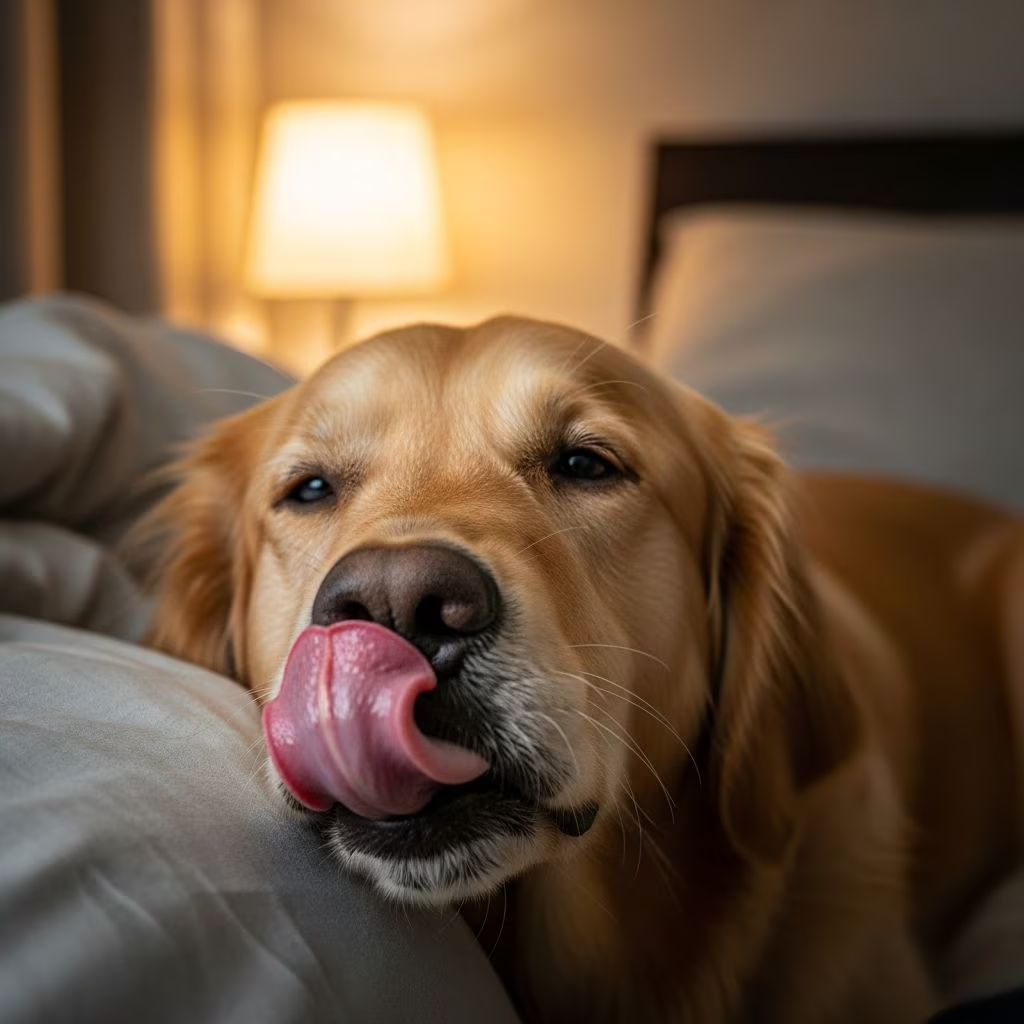
Your furry companion curls up beside you each night, but just before drifting off, they start licking their paws, belly, or even your arm. This pre-sleep ritual is common among dogs of all breeds and ages. Far from random, this behavior ties into deep-rooted instincts, emotional needs, and sometimes underlying health concerns. Understanding it helps strengthen your bond and spot when intervention is needed.
The Instinctual Roots of Nighttime Licking
Dogs descend from wolves, where licking served survival purposes. Puppies experience constant grooming from their mother, which cleans them, stimulates digestion, and conveys love. This early care imprints a lifelong association between licking and comfort. As adults, dogs recreate this sensation before bed, evoking security from their puppyhood.
In the wild, pack members lick to reinforce social ties and maintain hygiene after daily hunts. Domestic dogs retain this, using bedtime as a quiet moment for self-maintenance. A gentle lick on fur or skin releases endorphins, promoting relaxation akin to a human massage.
Grooming Habits in the Evening Hours
Practical reasons often drive this habit. Dogs can’t hop in a shower like humans, so they handle cleanliness themselves. Evening licking targets sweaty paws from daytime walks or itchy spots from dirt accumulation.
- Paw focus: Paws collect allergens, grass seeds, or chemicals from yards, prompting licks to soothe irritation.
- Belly and flanks: These areas trap oils and debris, making them prime grooming zones before rest.
- Genital area: Quick cleans here prevent infections, especially in unneutered dogs.
Observe patterns: if licking concentrates on one spot, it might signal more than routine care. Normal grooming lasts 1-2 minutes; prolonged sessions warrant attention.
Emotional Comfort and Stress Relief
Licking doubles as a self-soothing mechanism. When alone or winding down, dogs release calming hormones like dopamine through repetitive motions. This mirrors human habits like nail-biting during anxiety.
For separation-anxious pups, bedtime licking fills the void left by your absence. It mimics the nurturing tongue of their dam, easing transition to sleep. Rescue dogs or those separated early from litters may lick more intensely, seeking that lost maternal touch.
| Emotional Trigger | Licking Response | Signs to Watch |
|---|---|---|
| Boredom | Repetitive paw or blanket licking | Inactivity during day, sudden onset |
| Anxiety | Air licking or rapid tongue flicks | Pacing, whining before bed |
| Affection-seeking | Licking you or toys | Follows playtime or your return home |
Affectionate Signals Toward Owners
When your dog licks you before bed, it’s often pure endearment. Salty skin from sweat tastes appealing, but the act primarily communicates, “I love you.” Puppies learn this from dam-pup interactions, extending it to their human pack.
This gesture says hello, goodbye, or ‘I’m here.’ If it ramps up when you settle in, they’re mirroring your routine, strengthening the pack bond. Respond with pets to reciprocate, fostering trust.
Health Red Flags Behind Excessive Licking
Not all licks are benign. Persistent behavior, especially targeting specific areas, can indicate issues. Check for redness, hair loss, or odor—these signal problems needing vet care.
Allergies and Skin Irritations
Environmental allergens like pollen or food sensitivities cause itchy skin, peaking at night when distractions fade. Dogs lick to alleviate, but this worsens inflammation, creating lick granulomas (raw sores).
Pain and Discomfort
Arthritis in seniors or muscle strains from overexercise prompt licking sore joints. Gastrointestinal nausea, common in 60% of excessive lickers, also triggers this. Older dogs with cognitive dysfunction (canine dementia) lick more at night due to sundowning.
Infections and Parasites
Anal gland issues cause rear-end focus; untreated, they abscess. Fleas thrive nocturnally, drawing licks to bites. Urinary infections lead to genital licking.
- Inspect for fleas: Part fur for black specks (flea dirt).
- Check glands: Scoot or fish-hook posture signals blockage.
- Monitor urine: Frequent small pees indicate UTIs.
When to Consult a Veterinarian
Distinguish normal from problematic: Occasional, brief licks are fine; hours-long marathons aren’t. Track duration, location, and context in a journal.
Vets rule out medical causes via exams, bloodwork, or allergy tests. Treatments vary: medicated shampoos for skin woes, diet changes for GI upset, or pain meds for joints.
Strategies to Manage and Redirect Licking
Prevention blends enrichment and intervention.
- Enrich environment: Puzzle toys or chews distract from habits. Evening walks tire them mentally.
- Groom routinely: Weekly baths with hypoallergenic shampoo reduce itch triggers.
- Address anxiety: Calming aids like pheromone diffusers or CBD supplements soothe nerves.
- Redirect: Offer frozen Kongs at bedtime; cold numbs itches.
- Training: ‘Leave it’ commands interrupt cycles, rewarding calm.
For compulsive cases, behaviorists use desensitization. Consistency yields results in weeks.
Age-Specific Insights on Bedtime Licking
Puppies: Mostly instinctual, learning hygiene.
Seniors: Pain or dementia-related; gentle monitoring key.
Adults: Balance of grooming and emotion.
FAQs
Is it normal for dogs to lick before bed?
Yes, in moderation. It’s a natural wind-down ritual rooted in puppy memories and grooming needs.
Why does my dog lick the air before sleep?
Often anxiety or nausea; rule out health issues first.
How much licking is too much?
Over 5-10 minutes nightly, with skin changes, merits a vet visit.
Can diet cause nighttime licking?
Absolutely—food allergies trigger it. Try hypoallergenic kibble.
Should I stop my dog from licking me at night?
No, it’s affectionate. Gently redirect if hygiene concerns you.
Building Better Bedtime Routines
Transform licking into positive rituals. Dim lights, soft music, and shared cuddles signal rest. Your presence reassures, reducing self-licking needs. Track improvements; a calmer dog means sweeter dreams for both.
Ultimately, this behavior showcases your dog’s trust and vulnerability. Embrace it as a window into their world, intervening thoughtfully when needed.
References
- Why Dogs Lick Before Sleep — WagWalking. 2023. https://wagwalking.com/behavior/why-dogs-lick-before-sleep
- 12 Reasons Dogs Lick Excessively and When to be Concerned — Pets Best. 2024. https://www.petsbest.com/blog/12-reasons-dogs-lick-excessively
- Your Dog is Licking the Air? 7 Common Culprits — ToeGrips. 2024. https://toegrips.com/dog-is-licking-the-air/
- Excessive Licking, Chewing, and Grooming in Dogs — PetMD. 2025. https://www.petmd.com/dog/general-health/excessive-licking-chewing-and-grooming-dogs
- Pet Vet Explains Why Dogs Lick Their Owners Before Sleep — Parade. 2024. https://parade.com/news/pet-vet-explains-why-dogs-lick-their-owners-before-sleep



