
Dogs and Indoor Air Quality: A Pet Owner’s Guide
Understand how your dog impacts home air quality and protect your pet's respiratory health.
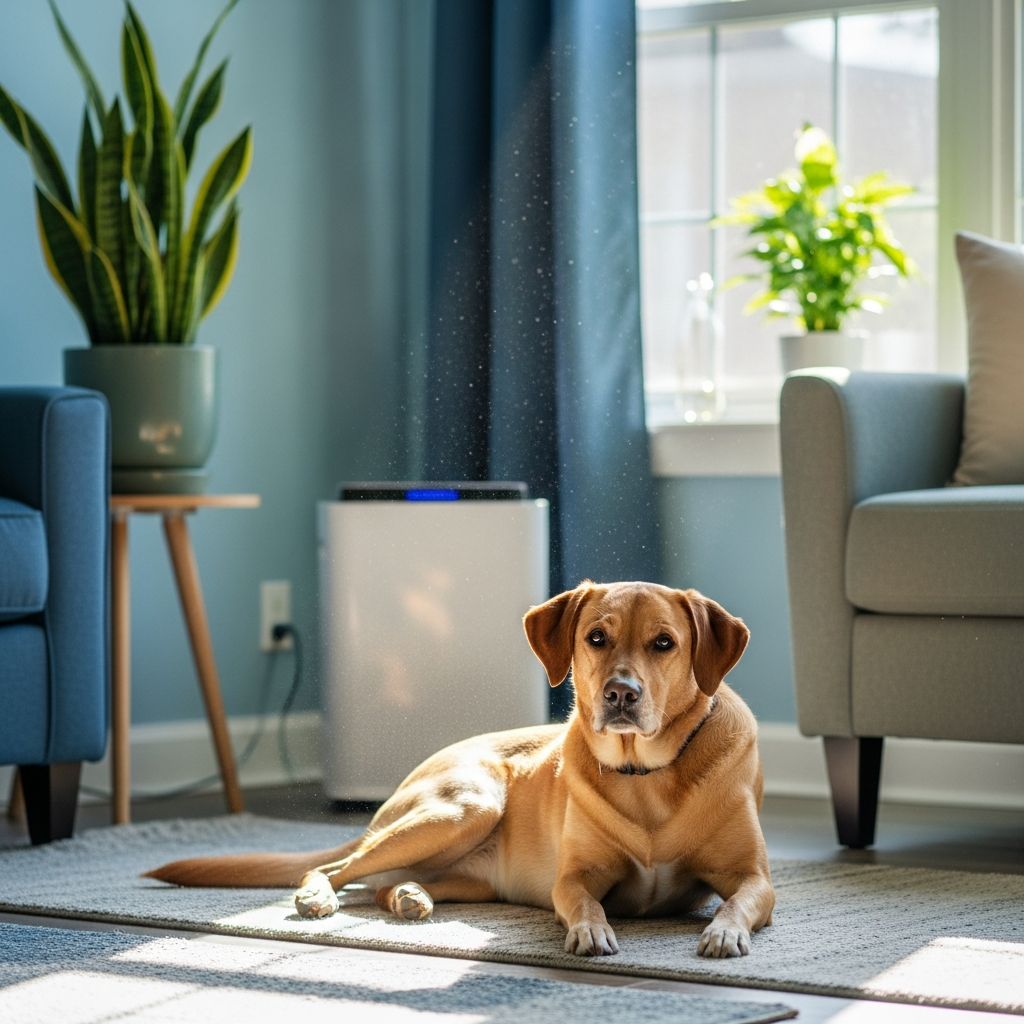
As dog owners, we invest considerable effort into providing our pets with nutritious food, regular exercise, and preventive veterinary care. However, one critical aspect of canine health that often goes overlooked is the quality of the air our dogs breathe indoors. Recent scientific research reveals a fascinating and important relationship between dogs and indoor air composition—one that affects both your pet’s health and your household environment. Understanding this connection empowers you to make informed decisions about maintaining a healthier living space for your furry companion.
The Bidirectional Relationship Between Dogs and Indoor Air
For thousands of years, dogs have lived alongside humans, yet scientists are only now beginning to understand how profoundly they influence the air quality within our homes. Recent controlled experimental research demonstrates that dogs are potent emitters of various gaseous pollutants, particulate matter, and microorganisms. This relationship is bidirectional: while dogs emit substances that alter indoor air composition, poor air quality simultaneously poses significant health risks to our canine companions.
Dogs emit pollutants through two distinct pathways. Endogenous emissions originate from metabolic processes and biological functions, such as respiration and digestion. Exogenous emissions result from dogs acting as mobile vectors, transporting chemicals, particulate matter, and microbes from outdoor environments into indoor spaces. This second pathway is particularly pronounced in larger or long-haired dogs, which may carry more environmental particles on their coat and introduce them into the home.
Understanding How Dogs Alter Indoor Air Composition
Scientific findings reveal that dogs significantly alter the air microbiota within indoor spaces, leading to increased bacterial and fungal loads and elevated microbial diversity. The specific impact varies based on dog size and activity level, with distinct patterns emerging between small and large dogs.
Size-Dependent Differences in Air Emissions
Research comparing small and large dogs shows that these animals impact air quality in different ways. Large dogs emit carbon dioxide and ammonia at rates similar to human adults and at substantially higher rates than small dogs. Conversely, small active dogs produced the highest levels of airborne particulate matter during controlled experiments, primarily because they were more active during testing periods. Both small and large dogs released more airborne particulate matter than their owners, but larger dogs released significantly more bacteria and fungi into the air.
The ammonia-to-carbon dioxide emission ratio was notably higher for dogs than for humans, potentially reflecting differences in diet, metabolic pathways, and breathing patterns. This distinction underscores how dogs’ unique physiology creates a distinct chemical signature in indoor air.
Microbial Changes in Your Home
When large dogs are present in indoor spaces, marked increases occur in the relative abundance of bacteria such as Corynebacterium and Psychrobacter, with some increase also observed in Aliicoccus and Macrococcus. Many of these microorganisms originate from outdoor environments, fundamentally changing the indoor microbial composition in ways that humans alone do not produce. This transformation of your home’s microbial landscape has implications for indoor environmental exposures and overall household microbiology.
Health Effects of Poor Air Quality on Dogs
Understanding how air quality affects dogs is essential for responsible pet ownership. Poor indoor and outdoor air quality creates specific physiological challenges for our canine companions, particularly those in vulnerable populations.
Immediate Respiratory Symptoms
When exposed to compromised air quality, dogs may not display health problems immediately, but over time, poor air conditions lead to measurable health issues. Common immediate symptoms include irritated airways resulting in coughing or sneezing, inflammation in the lungs, and increased susceptibility to respiratory infections. Additionally, many dogs experience fatigue or demonstrate reduced interest in play activities when breathing polluted air.
These effects are significantly more pronounced in certain populations: older dogs, those with pre-existing respiratory or cardiac conditions, and brachycephalic (flat-faced) breeds such as Pugs, Bulldogs, and Shih Tzus. Brachycephalic dogs have shorter airways that already compromise their breathing during normal circumstances, making them especially vulnerable when air quality deteriorates.
Long-Term Respiratory Consequences
Extended exposure to poor air quality can trigger serious, often irreversible health conditions in dogs. Studies of dogs exposed to air pollution demonstrate long-term changes to lung tissue, including emphysema, chronic bronchitis, and scarring. Emphysema and chronic bronchitis are components of chronic obstructive pulmonary disease (COPD), an irreversible inflammatory condition characterized by coughing, gagging, wheezing, and difficulty breathing. Additionally, prolonged exposure increases the risk of asthma development and lung cancer in dogs.
Cardiovascular and Systemic Effects
Beyond respiratory impacts, poor air quality creates extra strain on the cardiovascular system in dogs, just as it does in humans. Pets with underlying heart or respiratory disease face particularly serious consequences when exposed to wildfire smoke, heavy pollution, or seasonal allergens. The systemic stress created by compromised air quality can worsen existing symptoms and lower overall health status.
Behavioral and Emotional Changes
Chronic stress from poor air quality can trigger behavioral changes in dogs, including separation anxiety, altered sleep patterns, decreased playfulness, or increased aggression. These psychological manifestations often require behavioral intervention and represent another dimension of air quality’s impact on canine wellbeing.
Air Quality Index Guidelines for Dogs
The Environmental Protection Agency’s Air Quality Index (AQI) provides a standardized scale for assessing air quality. Understanding these thresholds helps you make appropriate decisions about your dog’s outdoor activities and indoor environment.
| AQI Range | Classification | Recommendations for Dogs |
|---|---|---|
| 0–50 | Good | No risk to pets; normal activities safe |
| 51–100 | Moderate | Safe for most pets; general activities acceptable |
| 101–150 | Unhealthy for Sensitive Groups | Puppies, senior dogs, and dogs with respiratory/cardiac issues should remain indoors with short outdoor visits; vigorous exercise should be minimized |
| 151+ | Unhealthy for Everyone | All dogs should remain indoors with very brief outdoor visits for elimination only; no vigorous exercise |
Practical Strategies to Protect Your Dog’s Air Quality
Indoor Environmental Management
When air quality deteriorates, keeping your dog indoors as much as possible becomes essential. Keep windows closed during periods of poor air quality to prevent outdoor pollutants from entering your home. Using an air conditioner or air purifier, if available, helps filter the air and reduce your dog’s exposure to harmful particles.
For dogs that must go outside, shorten their outdoor time to brief trips for elimination purposes only. Limit walks and vigorous exercise during periods when the AQI is elevated. This approach reduces your dog’s inhalation of polluted air while still meeting their basic biological needs.
Monitoring Your Dog for Symptoms
Remain vigilant for signs of respiratory distress in your dog, particularly during periods of poor air quality. Warning signs include:
- Increased or chronic coughing
- Elevated respiratory rate or excessive panting
- Increased sneezing
- Watery or inflamed eyes
Dogs with pre-existing respiratory conditions or heart disease may experience exacerbated symptoms when air quality worsens, requiring immediate veterinary attention.
Supporting Vulnerable Dog Populations
Puppies and senior dogs warrant special attention during poor air quality events, as they are more sensitive to air pollution. Dogs with existing heart or respiratory conditions require even more careful management. Brachycephalic breeds like Bulldogs and Pugs need particular protection, as their anatomical limitations already compromise their breathing capacity.
The Bigger Picture: Considering Pets in Air Quality Planning
Current indoor air quality management strategies rarely account for pets as significant emission sources. This oversight means that most air quality recommendations and standards don’t reflect the additional particulate matter, microorganisms, and gases that dogs introduce into indoor spaces. As dog ownership remains prevalent in modern households, incorporating pets into indoor air quality considerations becomes increasingly important for public health and environmental science.
Research showing that dogs can emit pollutants such as carbon dioxide, ammonia, volatile organic compounds, and supermicron particles at rates comparable to or exceeding those of human adults challenges this traditional approach. Future indoor environmental management may need to account for dogs as dynamic contributors to indoor air composition.
Frequently Asked Questions
Can dogs sense poor air quality?
Dogs possess a keen sense of smell, making them potentially capable of detecting some airborne pollutants. However, their ability to avoid or respond to poor air quality is limited, requiring human intervention to protect them. Some dogs may exhibit behavioral changes when air quality deteriorates, but these signs are subtle and often go unnoticed.
Do certain dog breeds have higher susceptibility to air pollution?
Yes, brachycephalic breeds with shortened airways—such as Bulldogs, Pugs, Shih Tzus, and Boxers—face greater challenges breathing in poor air quality. These dogs struggle with respiration even under normal circumstances, making them especially vulnerable when air quality declines.
How does wildfire smoke specifically affect dogs?
Wildfire smoke contains concentrated particulates and toxins that can cause severe respiratory distress in dogs. The faster respiratory rates of dogs compared to humans means they inhale more particles per breath, intensifying their exposure to smoke-borne contaminants.
Should I use air purifiers in my home if I have a dog?
Air purifiers can help reduce indoor air pollutants, including particles and microorganisms that dogs contribute to indoor spaces. If you live in an area prone to poor air quality or have a dog with respiratory sensitivities, an air purifier can be a worthwhile investment in your pet’s health.
How long does it take for air pollution to cause permanent damage to a dog’s lungs?
The timeline varies based on exposure intensity, your dog’s age, and preexisting health conditions. Some damage, such as lung tissue scarring, can develop gradually with chronic exposure. Older dogs and those with existing respiratory conditions develop symptoms more quickly than younger, healthier dogs.
Conclusion: Creating a Healthier Home for Your Dog
The relationship between dogs and indoor air quality represents a fascinating intersection of pet biology, environmental science, and home management. By understanding how dogs both affect and are affected by air quality, you can make informed decisions to optimize your dog’s health and household environment. Whether you’re managing seasonal air quality challenges, living in an area prone to poor air conditions, or simply seeking to provide your dog with the healthiest possible living space, implementing these strategies helps ensure your canine companion thrives in a cleaner, healthier home.
References
- Our Best Friends: How Dogs Alter Indoor Air Quality — National Center for Biotechnology Information (NCBI/PMC). 2024. https://pmc.ncbi.nlm.nih.gov/articles/PMC12961941/
- How Air Quality Affects Pets: What Every Pet Owner Needs to Know — Edmonton Veterinary Clinic. 2024. https://www.yegvet.ca/how-air-quality-affects-pets/
- What Are the Effects of Air Pollution on Pets? — Zoetis Petcare. 2024. https://www.zoetispetcare.com/blog/article/effects-air-pollution-pets
- Big and Small Dogs Both Impact Indoor Air Quality, Just Differently — American Chemical Society. March 2026. https://www.acs.org/pressroom/presspacs/2026/march/big-and-small-dogs-both-impact-indoor-air-quality-just-differently.html
- Dogs and Poor Air Quality — Guide Dogs for the Blind. 2021. https://www.guidedogs.com/blog/dogs-and-poor-air-quality
- Air Quality and Animals: How Wildfire Smoke Affects Your Pets — Countryside Veterinary Clinic. 2024. https://www.countrysideveterinaryclinic.org/services/dogs/blog/air-quality-and-animals-how-wildfire-smoke-affects-your-pets
- Air Quality and Pets: What You Need to Know — Animal Cardiology Nevada. 2024. https://animalcardiologynv.com/air-quality-and-pets/
Similar Articles








Read full bio of Sneha Tete




