

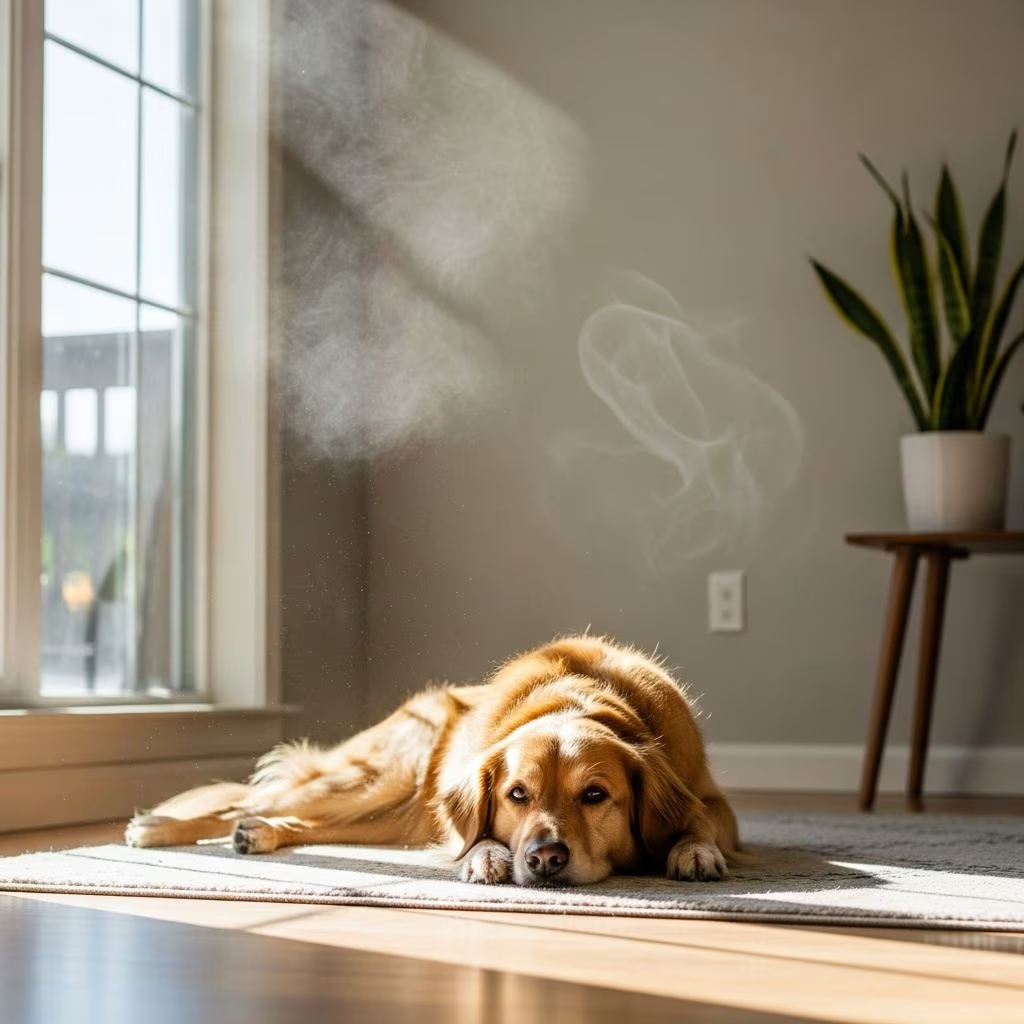
Dogs profoundly influence the air inside homes by releasing microbes, particles, and gases, while they themselves are vulnerable to poor air quality from external sources like wildfires and pollution. This article examines these dynamics, drawing on scientific studies to highlight risks and solutions for healthier living spaces.
The Science of Canine Contributions to Home Air
Research conducted in controlled chambers reveals that dogs act as active modifiers of indoor atmospheres. Compared to humans, dogs emit distinct profiles of airborne substances. Large dogs release bacteria and fungi at rates 2-4 times higher than people, often carrying outdoor microbes indoors. Small dogs, especially active ones, generate more coarse particles greater than 5 micrometers, likely due to their movement stirring up dust and dander.
These emissions stem from both internal biology and external contact. Metabolic processes produce gases like carbon dioxide and ammonia at levels similar to humans in big dogs, but with higher ammonia-to-CO2 ratios possibly linked to diet. Skin bacteria such as Corynebacterium and Psychrobacter dominate the microbial shifts, enriching indoor air diversity but potentially altering human immune exposures.
Health Risks for Humans from Pet-Driven Air Changes
While dogs enrich microbial variety, which some studies link to immune benefits, elevated bacterial and fungal loads raise concerns for allergy sufferers and immunocompromised individuals. Dogs serve as vectors, transporting environmental contaminants indoors, amplifying pollution from floors, fur, and paws.
Volatile organic compounds (VOCs) show mixed patterns: some spike up to 15 times higher with dogs present, others decrease, affecting overall indoor chemistry. Homeowners should monitor these changes, particularly in tightly sealed modern homes where air circulation is limited.
Vulnerability of Dogs to Poor Ambient Air
Dogs face significant threats from degraded outdoor and indoor air. The Air Quality Index (AQI) guides precautions: 0-50 is safe, 51-100 moderate, 101-150 risky for puppies, seniors, or those with conditions, and above 151 unhealthy for all.
Brachycephalic breeds like Bulldogs and Pugs suffer most due to short airways, experiencing worsened breathing during pollution events. Long-term exposure contributes to chronic bronchitis, emphysema, lung scarring, and heightened cancer risks, mirroring human COPD symptoms like coughing and wheezing.
| AQI Range | Impact on Dogs | Recommended Actions |
|---|---|---|
| 0-50 | Good, no risk | Normal activity |
| 51-100 | Moderate, safe for healthy dogs | Monitor sensitive pets |
| 101-150 | Unhealthy for sensitive groups | Limit outdoor time, use AC |
| 151+ | Unhealthy for all | Keep indoors, short relief trips |
This table summarizes EPA-guided responses, emphasizing protection for at-risk dogs.
Short-Term Signs of Air Quality Issues in Pets
- Coughing, sneezing, or gagging from irritated airways.
- Eye or nose discharge.
- Lethargy and reduced playfulness.
- Excessive panting or rapid breathing.
These symptoms appear quickly during smoke or smog events, urging immediate indoor confinement.
Long-Term Consequences for Canine Well-Being
Prolonged poor air exposure leads to irreversible damage. Chronic inflammation causes lung tissue scarring and emphysema, straining the heart and increasing cardiovascular risks. Behavioral shifts include anxiety, sleep disturbances, and aggression, potentially requiring therapy.
Wildfire smoke, urban smog, and allergens exacerbate these, with faster canine respiratory rates inhaling more particles than humans. Birds and small mammals face even greater perils due to efficient lungs and high breathing rates.
Practical Strategies to Improve Indoor Air with Dogs
Pet owners can mitigate bidirectional air impacts through targeted measures.
Filtration and Ventilation
HEPA air purifiers capture pet dander, microbes, and particles effectively. Run them continuously in dog-occupied rooms, choosing units rated for pet allergens. Ensure HVAC filters are pet-duty grade, changed quarterly.
Cleaning Routines
- Vacuum daily with HEPA vacuums to reduce settled particles.
- Bathe dogs weekly to minimize skin bacteria shedding.
- Wipe paws post-walks to block outdoor contaminants.
Habitat Adjustments
Designate dog zones away from bedrooms. Use washable rugs and avoid carpeting, which traps emissions. Open windows during low-AQI periods for fresh air exchange.
Protecting Dogs During Pollution Alerts
When AQI rises, keep dogs inside with windows sealed and AC on recirculate mode. Supplement with purifiers. Shorten walks to potty breaks, avoiding vigorous exercise. Hydrate well and watch for distress in vulnerable breeds.
Advanced Monitoring Tools for Pet Owners
Invest in home air quality monitors tracking PM2.5, VOCs, CO2, and microbes. Apps integrate AQI forecasts with pet health logs, enabling proactive steps. Professional indoor air assessments identify dog-specific emission hotspots.
FAQs
Do dogs make indoor air dirtier than humans?
Yes, dogs elevate microbial loads and certain particles more than humans, acting as emission sources and transporters.
Which dogs are most at risk from bad air?
Puppies, seniors, brachycephalic breeds, and those with heart/lung issues.
Can air purifiers handle dog emissions?
HEPA models excel at capturing dander and particles; combine with carbon filters for VOCs.
How does wildfire smoke affect dogs?
It irritates airways, risks chronic diseases; limit exposure strictly.
Should I rehome my dog for air quality?
No, implement cleaning and filtration to manage impacts effectively.
Holistic Home Air Management for Multi-Pet Homes
In households with multiple dogs or mixed pets, emissions compound. Prioritize high-traffic areas for purification. Regular vet checkups screen for air-related issues like bronchitis. Diet tweaks reducing ammonia output may help large dogs.
Emerging research on cat and small pet emissions suggests similar patterns, urging comprehensive pet-inclusive air strategies. By balancing canine joys with air vigilance, owners foster thriving environments.
References
- Our Best Friends: How Dogs Alter Indoor Air Quality — PMC/NCBI. 2024. https://pmc.ncbi.nlm.nih.gov/articles/PMC12961941/
- How Air Quality Affects Pets: What Every Pet Owner Needs to Know — YEG Vet. 2023. https://www.yegvet.ca/how-air-quality-affects-pets/
- What Are the Effects of Air Pollution on Pets? — Zoetis Petcare. 2024. https://www.zoetispetcare.com/blog/article/effects-air-pollution-pets
- Big and small dogs both impact indoor air quality, just differently — American Chemical Society. 2026-03. https://www.acs.org/pressroom/presspacs/2026/march/big-and-small-dogs-both-impact-indoor-air-quality-just-differently.html
- Dogs and Poor Air Quality — Guide Dogs for the Blind. 2021-09-01. https://www.guidedogs.com/blog/dogs-and-poor-air-quality
- Air Quality and Animals: How Wildfire Smoke Affects Your Pets — Countryside Veterinary Clinic. 2023. https://www.countrysideveterinaryclinic.org/services/dogs/blog/air-quality-and-animals-how-wildfire-smoke-affects-your-pets



