

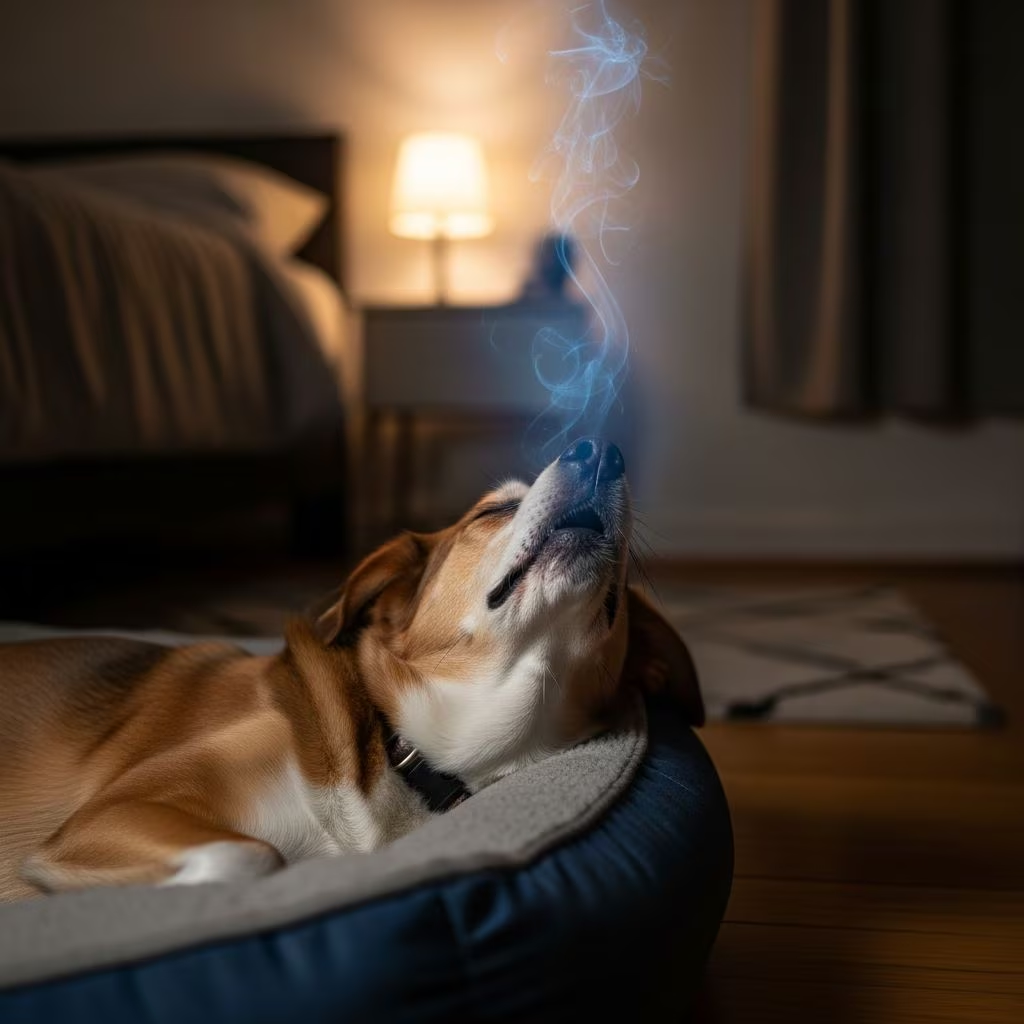
Dogs howling during sleep is a common yet intriguing behavior that often startles owners awake. This vocalization typically stems from natural processes like dreaming or instinctual responses, but it can sometimes signal underlying issues requiring attention.
Understanding Canine Sleep Patterns
Dogs experience sleep cycles similar to humans, including non-REM and REM phases. During REM sleep, brain activity increases, leading to vivid dreams where dogs may vocalize, twitch, or paddle their legs. Howling in this stage often reflects reliving daily experiences, such as playtime or pack interactions.
Puppies and younger dogs enter REM more frequently, making their sleep noises more pronounced. As dogs age, sleep patterns shift, with seniors spending more time in lighter sleep stages prone to disturbances.
Instinctual Roots of Sleep Howling
Many breeds inherit howling tendencies from wolf ancestors. Northern breeds like Huskies and hounds such as Beagles are particularly vocal due to genetic programming for long-distance communication. Even in slumber, these instincts activate during dreams, mimicking wild calls.
- Huskies and Malamutes: Prone to extended howls echoing pack signals.
- Beagles and Coonhounds: Respond to imagined scents or pursuits with melodic cries.
- Mixed breeds: May show diluted traits but still vocalize under stimulation.
Emotional Factors Triggering Nighttime Vocalizations
Anxiety or stress can manifest as howling during sleep. Separation from owners, recent household changes, or unresolved daytime fears bubble up in dreams. Dogs with shelter backgrounds or those adapting to new routines may express pent-up emotions this way.
Overstimulation from hectic days—intense exercise, loud environments, or social overload—disrupts sleep quality, leading to more vocal episodes. A calm pre-bed routine helps mitigate this.
When Environment Plays a Role
Subtle surroundings influence sleep sounds. High-pitched external noises like sirens or distant dogs trigger responsive howls, even unconsciously. Uncomfortable bedding, temperature extremes, or bright lights prevent deep sleep, amplifying vocalizations.
| Environmental Trigger | Effect on Sleep Howling | Solution |
|---|---|---|
| Loud sirens or traffic | Instinctual mimicry | White noise machines |
| Too hot/cold room | Restlessness | Adjust thermostat, cooling mats |
| Cramped sleeping area | Discomfort vocalizing | Larger, orthopedic bed |
| Isolation from family | Anxiety-driven cries | Close proximity crate |
Age-Specific Reasons for Howling
Puppies howl from loneliness, hunger, or potty needs, especially early in life when bladder control develops. Seniors face cognitive decline akin to dementia, causing confusion and disoriented cries. Joint pain or dulled senses exacerbate nighttime unrest.
Medical Concerns Behind Persistent Howling
While occasional howls are benign, frequent or intense episodes warrant checks. Conditions include:
- Canine Cognitive Dysfunction (CCD): Leads to fragmented sleep and vocal outbursts.
- Seizures: Partial fits mimic dream activity but involve rigidity or prolonged duration.
- Pain from arthritis or GI issues: Causes whimpers escalating to howls.
- Neurological disorders: Disrupt normal brain waves during rest.
Monitor for daytime signs like pacing, appetite loss, or lethargy. A vet exam rules out health problems.
Distinguishing Normal from Problematic Behavior
Use these indicators to assess:
| Sign | Normal (Dreaming) | Concerning (Medical/Stress) |
|---|---|---|
| Frequency | Occasional, 1-2x/week | Daily or multiple nightly |
| Duration | Seconds to 1 minute | Over 2 minutes |
| Accompanying Actions | Twitching, relaxed face | Panting, stiffness, distress post-wake |
| Awake Behavior | Normal energy | Anxious, destructive |
If concerning traits appear, schedule a vet visit promptly.
Practical Strategies to Reduce Sleep Howling
Proactive steps promote restful nights:
- Daily Exercise: 30-60 minutes of walks or play tires dogs for deeper sleep.
- Consistent Routine: Fixed bedtime, dinner, and potty schedule stabilizes cycles.
- Comfortable Setup: Quiet, dark space with familiar bedding.
- Mental Enrichment: Puzzle toys daytime reduce boredom-fueled dreams.
- Calming Aids: Pheromone diffusers or CBD treats (vet-approved).
For separation issues, gradual crate training with treats builds security.
FAQs: Common Questions on Dogs Howling in Sleep
Is it bad if my dog howls in their sleep?
Usually harmless, linked to dreams. Persistent cases need vet review.
Why do puppies howl more at night?
They crave attention, need to eliminate, or feel isolated.
Can stress cause howling dreams?
Yes, emotional buildup surfaces in REM vocalizations.
Should I wake a howling dog?
Avoid unless in distress; sudden arousal confuses them.
How does breed affect sleep howling?
Vocal breeds like hounds express instincts strongly.
Breed Tendencies for Vocal Sleep
- High Vocal: Husky, Beagle, Bloodhound – frequent howlers.
- Moderate: Labrador, German Shepherd – occasional.
- Low: Bulldog, Pug – rare vocalizers.
Understanding these patterns helps tailor care.
In summary, most sleep howling reflects healthy brain activity, but vigilance ensures no hidden issues. Consult professionals for tailored advice, fostering harmonious home life.
References
- Why Do Dogs Howl in Their Sleep: A Guide to Nighttime Whimpers — Noble Vet Clinic. 2023. https://noblevetclinic.com/blog/why-do-dogs-howl-in-their-sleep
- Why Do Dogs Howl at Night? — Sweetie Pet Products. 2023. https://www.sweetiepetproducts.com/blogs/sweetie-blog/why-do-dogs-howl-at-night
- Dog Behaviour Explained: Why Do Dogs Howl in Their Sleep? — Bronte Glen Vets. 2023. https://www.bronteglen.co.uk/blog/why-do-dogs-howl-in-their-sleep/
- Why Do Dogs Howl In Their Sleep? — Petcube. 2023. https://petcube.com/blog/dogs-howl-in-sleep/
- Why does your dog twitch, whimper or howl while asleep? — Dogs Trust. 2023. https://www.dogstrust.org.uk/dog-advice/understanding-your-dog/twitching-sleep



