

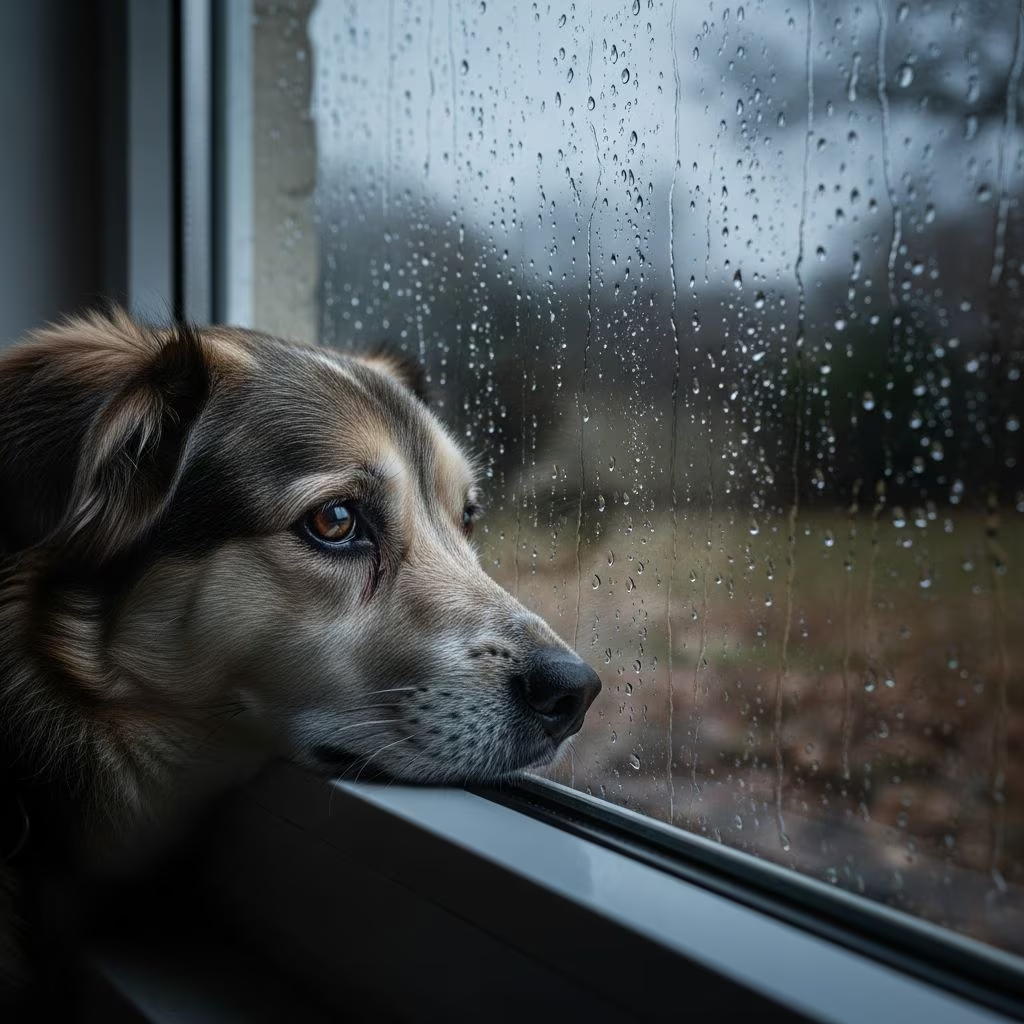
Do Dogs Grieve the Loss of Other Dogs?
The loss of a beloved pet is one of the most challenging experiences for any dog owner. But what many people don’t realize is that their surviving dogs may be experiencing grief too. Recent scientific research has confirmed what pet owners have long observed: dogs do grieve when they lose a canine companion. Understanding this process can help you support your remaining pets through this difficult time and recognize the emotional complexity of your furry family members.
Understanding Canine Grief
For years, grieving behaviors in animals have been documented in various species, including elephants and birds, yet the scientific community remained uncertain about whether domestic dogs experienced similar emotions. That changed with groundbreaking research published in Scientific Reports, where researchers surveyed 426 dog owners in Italy who had experienced the loss of a canine companion.
The findings were striking: approximately 86 to 90 percent of surviving dogs showed behavioral and emotional changes following the death of their canine housemate. This research represents a significant step in recognizing and validating what many dog owners have witnessed but what science had yet to formally acknowledge. Dogs are not simply reacting to an empty space in the home; they are experiencing genuine grief-like responses to the loss of their companion.
According to Federica Pirrone, an animal behavior expert at the University of Milan who led the research, “Dogs are highly emotional animals who develop very close bonds with the members of the familiar group. This means that they may be highly distressed if one of them dies, and efforts should be made to help them cope with this distress.”
Signs of Grief in Dogs
Recognizing grief in your dog is the first step toward providing appropriate support. The behavioral changes associated with canine grief are measurable and significant. Here are the most commonly reported signs:
- Increased attention-seeking: 67 percent of owners reported their surviving dog became more attention-seeking, often following them around more closely and seeking reassurance
- Reduced playfulness: 57 percent of owners observed that their dogs played significantly less after losing a companion
- Decreased activity levels: 46 percent of owners reported that their surviving dogs became less active overall
- Changes in sleep patterns: 35 percent of owners noted that their dogs slept more than usual
- Increased fearfulness: 35 percent of owners reported that their surviving dogs became more fearful
- Loss of appetite: 32 percent of owners observed that their dogs ate less food
- Increased vocalization: 30 percent of owners reported more whining or barking from their surviving dogs
These behavioral changes typically lasted between two to six months for about 32 percent of dogs, while 25 percent experienced changes that persisted for longer than six months. It’s important to note that the intensity and duration of these grief responses varied significantly among individual dogs, depending on several key factors.
Factors That Influence Grief Response
Not all dogs experience grief in the same way or to the same extent. Research has identified several critical factors that determine how profoundly a surviving dog will be affected by the loss of a companion.
Quality of the Relationship
One of the strongest predictors of grief severity is the quality of the relationship between the two dogs. Dogs that had a friendly or amicable relationship with their deceased companion were significantly more likely to show behavioral changes and fearfulness. Similarly, dogs that shared food with their companion showed stronger signs of mourning. In contrast, the mere length of time two dogs had lived together did not appear to influence the surviving dog’s behavior, suggesting that the quality of the bond matters far more than its duration.
The Owner’s Emotional Response
An often-overlooked factor in canine grief is the owner’s own emotional reaction to the loss. Research indicates that when owners were more emotionally affected by their pet’s death, their surviving dogs showed more pronounced negative behavioral changes and greater fearfulness. This isn’t simply a case of owners projecting their grief onto their pets; rather, dogs are genuinely responsive to their owners’ emotional states.
Dr. Marc Bekoff, an expert in animal behavior, explains: “Dogs pick up on our mood, odors, facial expressions, and even read our postures. They read differences in us and can feed off our own feelings, including sadness and grief.” Dogs have evolved to become extremely sensitive to human communicative gestures and facial expressions, which means they can detect and respond to their owner’s distress.
Type of Relationship Between Dogs
The nature of the bond between dogs also matters. Whether dogs were littermates, best friends, or part of a larger pack structure can influence how they express their grief. A sibling or littermate may become lethargic or clingy, while a dog that lost a leader or calming influence might pace or display anxiety. A more dependent dog may withdraw if they lost a parental figure.
Is It Really Grief or Something Else?
While the evidence strongly suggests that dogs experience grief, researchers acknowledge that other explanations for the behavioral changes exist. One possibility is that surviving dogs are responding to the loss of an affiliate rather than understanding death itself. Dogs may be reacting to the absence of a companion who provided safety, security, or comfort rather than specifically grieving the death.
Additionally, emotional contagion—where stress transfers between dogs and their owners—may play a role. Owners who are grieving may change their behavior in ways that affect their surviving dogs, and dogs may respond to these changes in their owner’s routine and demeanor. The researchers conclude that the behavioral changes observed in surviving dogs likely result from a combination of factors: genuine attachment loss, reaction to their owner’s grief, and response to changes in their daily environment and routine.
How Long Does Canine Grief Last?
The duration of grief varies considerably among individual dogs. In the research study, approximately 32 percent of dogs experienced behavioral changes that lasted between two and six months, while 25 percent of owners reported that changes persisted for longer than six months. Some dogs may show signs of grief for several weeks, while others may take many months to fully adjust to their companion’s absence.
The good news is that owner perceptions about their dog’s reactions and emotions did not remain static; their observations of suffering tended to diminish over time, suggesting that dogs do eventually adapt to their loss.
Supporting Your Dog Through Grief
Understanding that your surviving dog is genuinely grieving can help you respond with compassion and appropriate support strategies. Here are evidence-based approaches to help your dog cope:
- Maintain routine and structure: Keep feeding schedules, walk times, and playtime consistent to provide stability during an uncertain period
- Increase interaction and attention: Spend quality time with your grieving dog, offering comfort and reassurance without being intrusive
- Manage your own grief: Be mindful of your emotional state around your dog, as they will sense and respond to your distress
- Provide mental stimulation: Engage your dog with puzzle toys, training sessions, and other cognitive activities to redirect attention and maintain motivation
- Allow normal grieving: Don’t try to immediately replace the lost companion with a new pet; give your dog time to adjust
- Watch for depression: If your dog’s behavioral changes become extreme or persist for many months, consult with a veterinarian or animal behaviorist
- Create new positive experiences: Gradually introduce new activities and social opportunities to help your dog rebuild their emotional engagement
When to Seek Professional Help
While some level of behavioral change following a companion’s death is normal and expected, certain situations warrant professional intervention. If your surviving dog shows signs of severe depression, extreme anxiety, significant appetite loss, or behavioral changes that persist for more than six months, contact your veterinarian. An animal behaviorist can also provide specialized guidance for helping your dog adapt to their loss.
Frequently Asked Questions
Q: Can dogs understand that another dog has died?
A: Dogs likely understand that their companion is gone, but whether they comprehend the concept of death is unclear. They appear to respond to the absence of their companion and the changes in their environment and their owner’s behavior.
Q: How can I tell if my dog is grieving versus just being upset about routine changes?
A: While it’s difficult to distinguish with certainty, dogs that grieve their companions typically show specific behavioral patterns including increased attention-seeking, reduced playfulness, changes in appetite, and increased fearfulness. These changes correlate with the quality of the relationship they had with the deceased dog.
Q: Should I get a new dog to help my grieving dog feel better?
A: It’s generally recommended to wait several months before introducing a new companion. Your surviving dog needs time to adjust to the loss. Rushing to get a new pet may prevent proper grieving and could stress your dog further. Allow at least 2-6 months before considering a new companion.
Q: Do all dogs grieve the loss of a companion dog?
A: While approximately 86-90 percent of dogs showed behavioral changes after losing a companion, not all dogs experience grief to the same degree. The intensity depends on factors like the relationship quality, the owner’s emotional response, and the individual dog’s personality.
Q: How does my grief affect my surviving dog?
A: Your emotional response to your pet’s death significantly influences how your surviving dog copes with the loss. Dogs are highly attuned to their owner’s moods, facial expressions, and behaviors, and they can experience emotional contagion from their owner’s grief.
Q: Is it normal for my dog to show grief behaviors for more than six months?
A: While 32 percent of dogs in the research study showed behavioral changes for 2-6 months, 25 percent experienced changes lasting longer than six months. If your dog’s grief responses are extreme or show no improvement after six months, consult with your veterinarian.
Conclusion: Recognizing Your Dog’s Emotional Complexity
The scientific evidence is now clear: dogs are emotional beings capable of forming deep bonds with their canine companions and experiencing genuine grief when those bonds are broken. This recognition represents an important shift in how we understand and care for our pets. By acknowledging that your surviving dog is truly grieving—not simply being difficult or acting out—you can provide the compassionate support they need during this challenging transition.
The behavioral changes your dog experiences after losing a companion are not something to dismiss or ignore. Instead, they represent an opportunity to deepen your understanding of your pet’s emotional life and to strengthen your relationship by providing comfort during their time of need. With patience, understanding, and appropriate support strategies, you can help your grieving dog navigate this loss and eventually return to a healthy, engaged life.
References
- Dogs May Mourn the Loss of Other Household Pets — Smithsonian Magazine. 2022-02-24. https://www.smithsonianmag.com/smart-news/domesticated-canines-may-grieve-and-mourn-the-loss-of-other-household-pets-180979648/
- Study: Dogs may show grieving behavior after death of canine companion — Phys.org. 2022-02-23. https://phys.org/news/2022-02-dogs-grieving-behavior-death-canine.html
- Dogs Seem to Truly Grieve For Their Lost Canine Buddies, Survey — ScienceAlert. 2022-02-24. https://www.sciencealert.com/dogs-seem-to-grieve-for-their-lost-canine-buddies
- Domestic dogs (Canis familiaris) grieve over the loss of a conspecific — PubMed Central. 2022-02-23. https://pubmed.ncbi.nlm.nih.gov/35210440/
- Understanding Depression, Behavior, And What Dog Owners Can Do — Dr. Lori Gibson. 2022. https://www.drlorigibson.com/blog/do-dogs-get-depressed-when-another-dog-dies/
- Do Dogs Grieve Other Dogs? — American Kennel Club. 2022. https://www.akc.org/expert-advice/health/do-dogs-grieve-other-dogs/



