

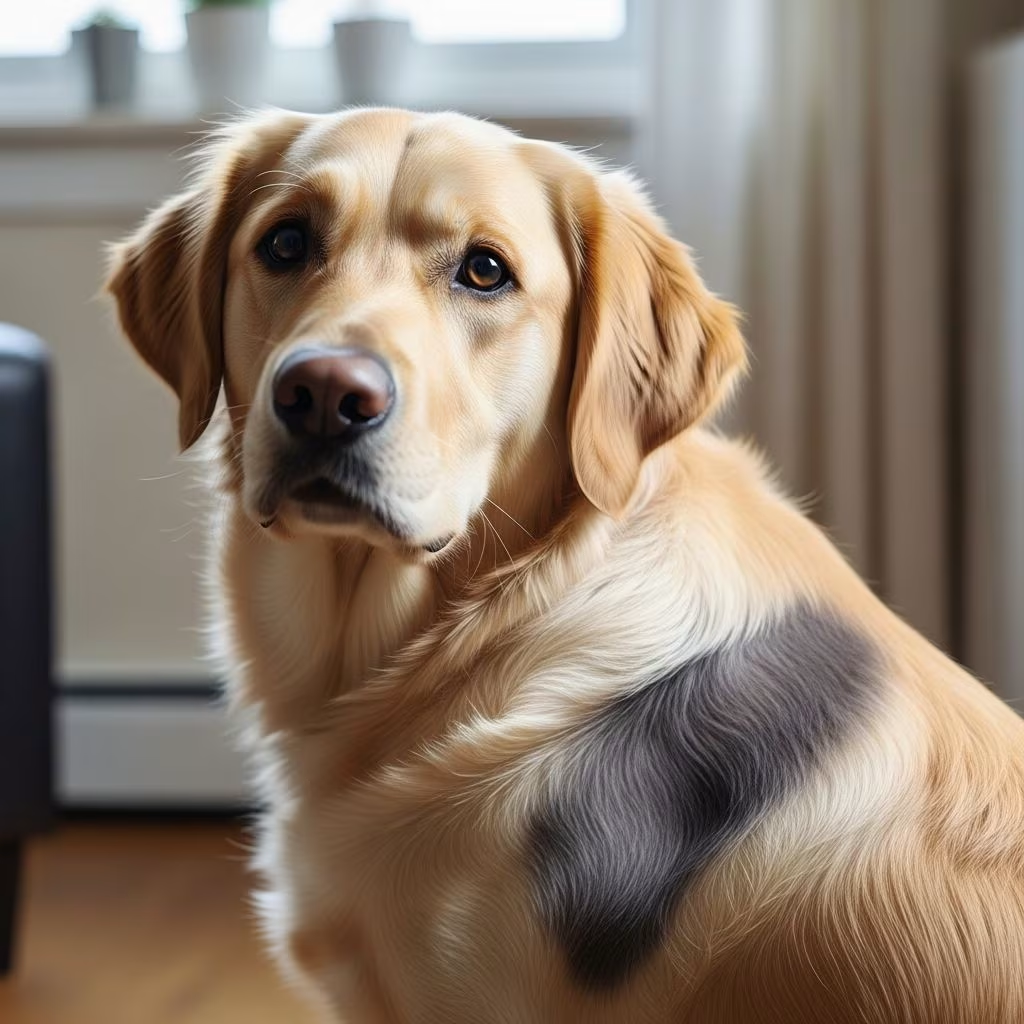
Noticing unusual spots or patches of color change on your dog’s fur? This common issue can stem from benign causes like saliva staining to more serious health concerns. Understanding the reasons behind these changes helps you decide if veterinary care is needed.
Why Is My Dog’s Fur Changing Color?
Dogs’ fur color is determined by pigments in their skin, primarily eumelanin (black pigment) and pheomelanin (red/yellow pigments), influenced by genetics and other factors. Changes in spots often result from external staining, environmental exposure, healing processes, or internal health issues. While many cases are harmless, persistent or widespread changes warrant a vet visit to rule out underlying conditions.
Common triggers include porphyrin in saliva and tears causing reddish-brown spots on light fur, especially around eyes, paws, and mouth. Sunlight fades colors in light-coated breeds, while injuries lead to darker regrowth. Hormonal imbalances like hypothyroidism can dull or lighten fur symmetrically.
Is It Normal for Dogs’ Fur to Change Color?
Some fur color changes are normal, such as puppy coats lightening with age or sun-fading in summer. Genetic predispositions in breeds like Dalmatians cause bronzing. However, sudden spots, especially with itching, hair loss, or lethargy, signal potential problems like allergies, infections, or endocrine disorders. Monitor for accompanying symptoms: if isolated and stable, it may be cosmetic; if progressing, seek professional evaluation.
6 Reasons Your Dog’s Fur Color Is Changing in Spots
Several factors can cause localized color shifts. Here’s a breakdown of the most common culprits:
- Porphyrin Staining from Saliva and Tears: Dogs’ saliva and tears contain porphyrins, iron-rich pigments from red blood cell breakdown, turning light fur rusty red-brown. Excessive licking due to allergies or boredom deposits it on paws, face, and belly. Moisture fosters yeast/bacteria, worsening stains.
- Sun Exposure (Hyperpigmentation or Fading): UV rays break down melanin, fading light fur or darkening exposed skin/fur via hyperpigmentation. Short-haired or white dogs are prone; chronic sun leads to ‘sunburned’ pinkish or bronze spots.
- Friction and Chronic Irritation: Rubbing against surfaces darkens fur/skin over elbows, hocks, or pressure points. Allergies cause licking/scratching, combining with porphyrins for red spots.
- Injury or Surgery Healing: Wounds trigger melanin overproduction for repair, regrowing darker fur at the site. Shaved surgical areas often return hyperpigmented, especially if infected.
- Hormonal Imbalances: Conditions like hypothyroidism reduce thyroid hormones, causing dull, thinning, lighter fur. Cushing’s disease (excess cortisol) leads to patchy color shifts and loss.
- Parasites and Infections: Fleas, mites (mange), ticks damage follicles, causing irregular patches. Fungal/bacterial infections inflame skin, darkening it grayish or red.
Table: Common Causes of Fur Color Spots
| Cause | Typical Spot Color/Location | Associated Symptoms |
|---|---|---|
| Porphyrin Staining | Red-brown; eyes, paws, mouth | Licking, wetness, odor |
| Sun Exposure | Fade/lighten or darken; back, ears | None or mild itch |
| Injury Healing | Darker; wound site | Scab, recent shave |
| Hypothyroidism | Dull/light; symmetric body | Weight gain, lethargy |
| Parasites | Patchy dark/light; anywhere | Itching, bald spots |
Conditions That Cause Discolored Fur Spots
Allergies
Food, environmental, or flea allergies prompt chewing/licking, staining fur red via porphyrins. Light-coated breeds show it prominently on feet and face. Yeast overgrowth from moisture exacerbates.
Hypothyroidism
This endocrine disorder slows metabolism, leading to dry skin, hair loss, and fur lightening or dulling. Symmetric changes across the body distinguish it; blood tests confirm low thyroid levels.
Cushing’s Disease
Excess cortisol causes potbelly, thirst, and patchy fur loss with color shifts to gray or lighter tones. Older dogs are prone; diagnosis via hormone panels.
Post-Inflammatory Hyperpigmentation
Inflammation from any source (infection, allergy) darkens recovering skin/fur. Chronic cases thicken skin elephant-like.
Dalmatian Bronzing Syndrome
Genetic uric acid buildup turns black spots rusty bronze on Dalmatians. Low-purine diets prevent bladder stones too.
Parasitic Infestations
Mange mites destroy follicles for bald, darkened patches; fleas cause red saliva stains from scratching.
Other Causes of Dog Fur Discoloration
Beyond spots, full-coat fading occurs from sun, poor diet lacking pigments, or aging. Chemicals like pool chlorine strip color; rust from metal water bowls stains white fur. Friction on beds darkens elbows. Cancer or chemo rarely alters pigment, but inflammation mimics it.
When to See a Vet for Dog Fur Discoloration
Consult a vet if color changes accompany hair loss, intense itching, odor, skin thickening, lethargy, appetite shifts, or rapid spread. Puppies/teens with normal maturation may not need it, but adults/seniors do. Diagnostics include skin scrapes, bloodwork, biopsies. Early intervention prevents complications like infections.
How to Prevent and Treat Fur Color Changes
Prevention Tips
- Regular grooming and hypoallergenic wipes for tear/paw stains.
- Sunscreen for light-coated dogs; limit midday sun.
- Flea preventives; hypoallergenic diets if allergies suspected.
- Thyroid screening for at-risk breeds (Golden Retrievers, Dobermans).
Treatment Approaches
Cosmetic stains: enzymatic cleaners. Allergies: antihistamines, special diets. Hormones: lifelong meds like levothyroxine. Parasites: topical/oral treatments. Surgery sites: time heals most hyperpigmentation.
Frequently Asked Questions (FAQs)
Why is my white dog’s fur turning red around the eyes and paws?
Reddish stains come from porphyrin in tears and saliva. Clean daily and check for allergies or blocked ducts.
Can sun exposure change my dog’s fur color?
Yes, UV fades light fur or darkens via melanin surge. Use pet-safe sunscreen outdoors.
Does injury cause permanent fur color change?
Often temporary; new growth may normalize, but scars can stay darker.
Is fur discoloration a sign of cancer?
Rarely; usually inflammation. Vet rules out with exams, but pigment shifts aren’t primary indicators.
How do I remove porphyrin stains from fur?
Use enzymatic shampoos; avoid bleaching. Address licking cause for prevention.
References
- What Causes Dog Fur Discoloration? — Penny Paws. 2023. https://pennypaws.com/blog/what-causes-dog-fur-discoloration/
- Why Does My Dog’s Fur Turn Pink or Brown? — American Kennel Club. 2023-05-12. https://www.akc.org/expert-advice/health/why-is-my-dogs-fur-changing-color/
- Hyperpigmentation in Dogs — PetMD. 2024. https://www.petmd.com/dog/conditions/skin/hyperpigmentation-dogs
- Why is my dog’s fur color changing? — The Animal Medical Center. 2024-01-17. https://www.amcny.org/blog/2024/01/17/why-is-my-dogs-fur-color-changing/
- What causes skin color changes in dogs? — Vetster. 2023. https://vetster.com/en/wellness/what-causes-skin-color-changes-in-dogs



