Why Is Your Dog’s Excessive Drinking a Concern?
Understanding excessive thirst in dogs: causes, symptoms, and when to seek veterinary care.
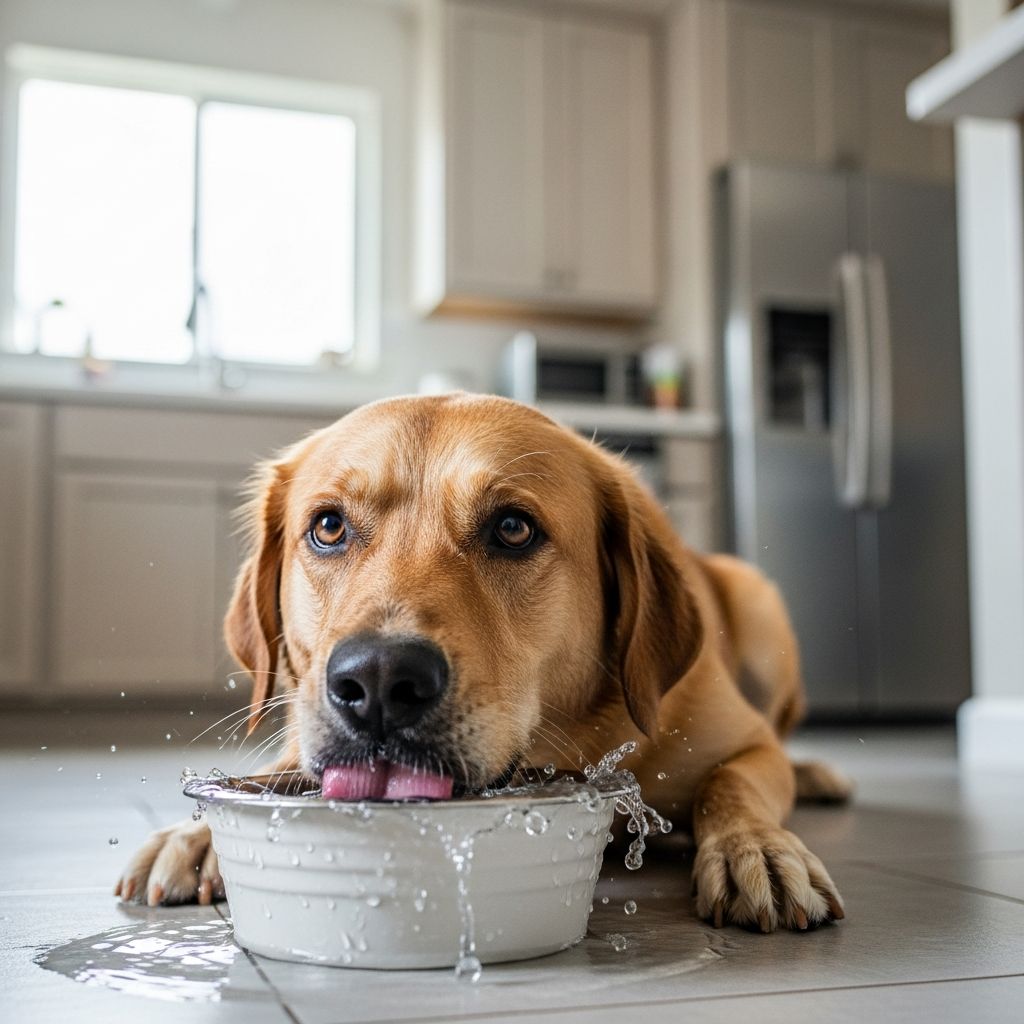
If you’ve noticed your dog drinking significantly more water than usual, you may be wondering whether this is normal behavior or a sign of an underlying health problem. Excessive thirst in dogs, medically known as polydipsia, is not something to ignore. While occasional increases in water intake can be attributed to hot weather, exercise, or dietary changes, consistent and sudden increases in drinking patterns often indicate that something requires veterinary attention. Understanding the potential causes and recognizing the warning signs can help you take prompt action to protect your dog’s health.
Understanding Normal vs. Excessive Drinking
Before determining whether your dog’s drinking is excessive, it’s important to understand what constitutes normal water intake. The amount of water a dog drinks depends on various factors, including age, size, activity level, diet, and environmental conditions. Generally, dogs need about 1 ounce of water per pound of body weight daily. However, this can vary significantly based on individual circumstances.
A dog drinking more water for a day or two in response to hot weather, vigorous exercise, or eating salty foods is typically not a cause for concern. Similarly, very active dogs, nursing dogs, and dogs in warm climates naturally drink more water. However, if your dog has been consistently draining the water bowl and seeking water from multiple sources for more than a few days, this warrants veterinary evaluation.
Common Medical Causes of Excessive Drinking
Several underlying health conditions can cause dogs to drink excessively. Identifying these potential causes is crucial for proper diagnosis and treatment.
Diabetes Mellitus
Diabetes is one of the most common causes of excessive thirst and urination in dogs. In diabetic dogs, the body cannot properly regulate blood glucose levels, causing excess glucose to accumulate in the bloodstream. The kidneys respond by attempting to flush this excess glucose through urine, which increases urination and triggers compensatory drinking. Dogs with diabetes may also exhibit weight loss despite maintaining a healthy appetite, increased urination, and lethargy. Untreated diabetes can progress to diabetic ketoacidosis, a potentially life-threatening condition characterized by weakness, abnormal breath odor (ketotic breath), vomiting, and diarrhea.
Kidney Disease
The kidneys play a vital role in filtering waste and maintaining fluid balance in the body. When kidney function deteriorates, the kidneys lose their ability to concentrate urine and retain water efficiently. This impaired function forces dogs to drink more water to compensate for increased urinary losses. Kidney disease is particularly common in older dogs and may develop gradually, with increased thirst often being one of the first noticeable signs. Additional symptoms include increased urination, decreased appetite, vomiting, weight loss, and bad breath. Early detection through prompt veterinary examination can significantly improve management outcomes.
Cushing’s Disease (Hyperadrenocorticism)
Cushing’s disease occurs when the adrenal glands overproduce cortisol, a stress hormone. Elevated cortisol levels interfere with the kidneys’ ability to concentrate urine, leading to excessive urination and subsequent increased thirst. This condition is more common in middle-aged and older dogs. Beyond excessive drinking and urination, dogs with Cushing’s disease often display a distinctive pot-bellied appearance, excessive panting, thinning skin, hair loss, and increased hunger. While Cushing’s disease doesn’t always require immediate medical intervention, it should be properly diagnosed and managed by a veterinarian.
Liver Disease
The liver regulates numerous body functions, including fluid balance. When liver function is compromised, it can disrupt the body’s ability to maintain proper hydration levels, potentially leading to increased thirst. Liver disease may present with additional symptoms such as jaundice, vomiting, diarrhea, and weight loss.
Urinary Tract Infections (UTIs)
Inflammation or infection in the urinary system can stimulate increased drinking as the dog’s body attempts to flush out bacteria and irritants. UTIs may cause uncomfortable urination, increased frequency of urination, and accidents in the house despite house training.
Electrolyte Imbalances
Sodium and potassium imbalances can significantly affect a dog’s thirst regulation. Sodium draws water toward it, and when electrolyte balance is disrupted, the kidneys cannot properly hold or store water. Dehydration, high-sodium meals, certain toxins, and various medical conditions can cause these imbalances. Severe electrolyte imbalances can lead to serious complications including vomiting, bloating, lethargy, weakness, and in critical cases, seizures.
Pyometra
This life-threatening condition involves a bacterial infection of the uterus in unspayed female dogs. Bacterial toxins released into the bloodstream compromise the kidney’s ability to retain urine, leading to excessive urination and compensatory drinking. Pyometra requires emergency veterinary treatment, as the infection can spread throughout the body, causing sepsis and death. Additional symptoms include pus discharge from the vulva, fever, lethargy, appetite changes, and vomiting.
Water Intoxication
While rare, water intoxication can occur when a dog drinks excessive amounts of water too quickly, particularly during water-based play such as fetch in a pool or lake. This condition causes dangerous electrolyte imbalances that can result in vomiting, bloating, lethargy, and potentially fatal seizures. Chronic overhydration can also place strain on the kidneys and lead to further bodily imbalances.
Behavioral and Environmental Factors
Not all excessive drinking stems from medical conditions. Some dogs develop compulsive drinking behaviors related to anxiety or obsessive-compulsive tendencies. Environmental factors such as stress, boredom, or changes in the home environment can also trigger increased water seeking. Additionally, certain medications may increase thirst as a side effect.
Warning Signs That Require Veterinary Attention
Several symptoms should prompt immediate veterinary evaluation when accompanied by excessive drinking. Pay close attention to these warning indicators:
- Increased urination or accidents in the house despite house training
- Sudden or significant weight changes, either loss or gain
- Changes in appetite, whether eating significantly more or less
- Vomiting or diarrhea
- Lethargy, weakness, or decreased interest in activities
- Severe or excessive panting
- Respiratory distress or breathing changes
- Loss of appetite or refusal to eat
- Behavioral changes or disorientation
When to Contact Your Veterinarian
While occasional increases in water consumption may be normal, persistent excessive thirst warrants professional evaluation. Contact your veterinarian if:
- Your dog has been drinking excessively for more than a couple of days
- The increased thirst is accompanied by other behavioral or physical changes
- Your dog is experiencing increased urination or house-training accidents
- You notice changes in appetite, energy levels, or weight
- Your dog seems lethargic, weak, or disoriented
- There has been a recent change in diet, environment, or activity level
Early detection makes a significant difference in managing many health concerns. Don’t wait for symptoms to worsen before seeking professional guidance.
Important Precautions
If your dog is suddenly drinking excessively and urinating more frequently, never withhold water from your pet. Doing so may place your dog at risk for life-threatening dehydration. Instead, ensure your dog has constant access to fresh, clean water while you arrange a veterinary examination. Signs of dehydration include excessive thirst and water-seeking behavior, extreme tiredness, dry or tacky gums, loss of skin elasticity, and sticky mucous membranes.
Diagnostic Process at the Veterinary Clinic
When you bring your dog in for evaluation of excessive drinking, your veterinarian will conduct a thorough examination and take a detailed history. They may perform blood work, urinalysis, and imaging studies to identify the underlying cause. Because symptoms of various conditions can overlap, diagnostic testing is essential to determine the precise cause of your dog’s polydipsia and establish an appropriate treatment plan.
Frequently Asked Questions
Q: Is it normal for dogs to drink more water in summer?
A: Yes, dogs naturally drink more water in hot weather, during exercise, and after eating salty foods. However, if excessive drinking persists beyond a few days or is accompanied by other symptoms, veterinary evaluation is recommended.
Q: Can I restrict my dog’s water intake if they’re drinking too much?
A: No, you should never restrict water intake without veterinary guidance. Withholding water can lead to dangerous dehydration, especially if an underlying medical condition is causing the excessive thirst.
Q: What tests will my vet perform to diagnose excessive drinking?
A: Your veterinarian may perform blood work, urinalysis, imaging studies such as ultrasound or X-rays, and possibly additional testing depending on initial findings and your dog’s symptoms.
Q: Are certain dog breeds more prone to excessive drinking?
A: While any dog can develop conditions causing excessive thirst, certain breeds may be predisposed to specific conditions like diabetes or Cushing’s disease. Discuss breed-specific risks with your veterinarian.
Q: How long does it take to diagnose the cause of excessive drinking?
A: Diagnosis typically requires veterinary examination and diagnostic testing. Some conditions can be identified quickly through blood and urine tests, while others may require additional imaging or specialized testing. Your veterinarian will provide a timeline based on your dog’s individual situation.
Q: Can medications cause excessive drinking in dogs?
A: Yes, certain medications can increase thirst as a side effect. Discuss all medications your dog takes with your veterinarian, as they can help identify whether medications may be contributing to increased water consumption.
Conclusion
Excessive drinking in dogs is a symptom that deserves attention and professional evaluation. Whether caused by diabetes, kidney disease, Cushing’s disease, or other medical conditions, identifying the underlying cause is essential for proper treatment and management. By recognizing warning signs, maintaining awareness of your dog’s normal behavior, and seeking prompt veterinary care when changes occur, you can help ensure your dog receives the appropriate care and support needed to maintain optimal health and quality of life. Never dismiss significant changes in your dog’s drinking behavior as inconsequential—what may seem like a minor shift could indicate an important health issue requiring intervention.
References
- Excessive Thirst in Dogs: Common Causes & When to See the Vet — Hills Pet Nutrition. Accessed 2025-11-28. https://www.hillspet.com/dog-care/healthcare/excessive-thirst-in-dogs
- Why Is My Dog Drinking a Lot of Water? — PetMD. Accessed 2025-11-28. https://www.petmd.com/dog/symptoms/why-is-my-dog-drinking-a-lot-of-water
- Is it Normal That My Dog is Drinking a Lot of Water? — Sunset Anytime. Accessed 2025-11-28. https://sunsetanytime.com/blog/dog-drinking-lots-of-water/
- Why Is My Dog Drinking So Much Water? — Bayshore Veterinary Hospital. Accessed 2025-11-28. https://bayshore-vet.com/veterinary-blog/why-is-my-dog-drinking-so-much-water/
- My Dog is Drinking a Lot of Water – Should I Call the Vet? — Chimacum Veterinary Hospital. Accessed 2025-11-28. https://chimacumvet.com/blog/dog-drinking-lots-of-water/
Similar Articles








Read full bio of Sneha Tete