

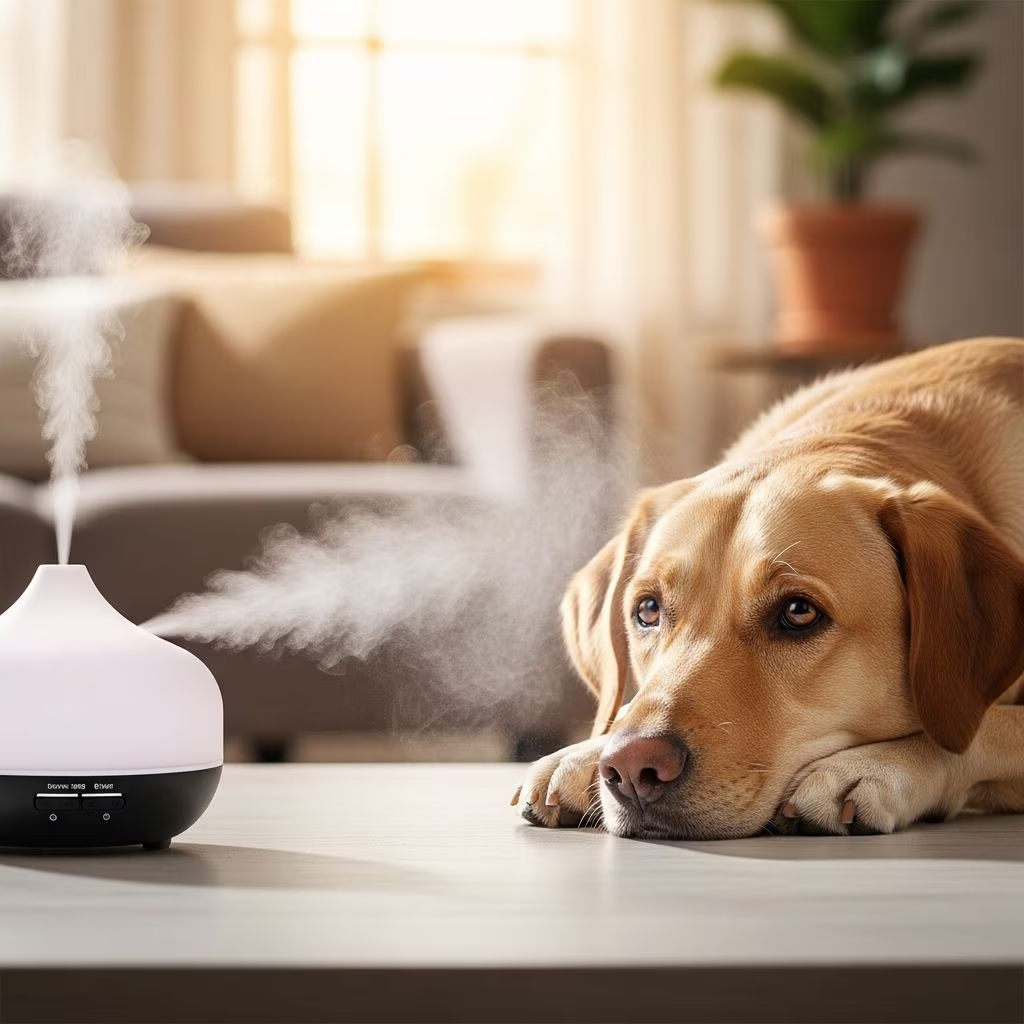
Dogs and Essential Oil Diffusers: What You Need to Know
Many pet owners use essential oil diffusers to freshen their homes and create a pleasant atmosphere. However, when you share your living space with a dog, these aromatic products require careful consideration. While the diffuser itself may seem harmless, the essential oils dispersed into the air can pose significant risks to your canine companion. Understanding these dangers is crucial for maintaining your dog’s health and well-being.
Dogs have respiratory systems that are far more sensitive than humans, and their sense of smell is exponentially more acute. What smells pleasant and subtle to you could be overwhelming or even harmful to your four-legged friend. The question of whether essential oil diffusers are safe for dogs doesn’t have a simple yes or no answer—it depends on several factors including the type of diffuser, the specific oils used, your dog’s individual health status, and how you use the diffuser.
Are Essential Oils Safe for Dogs and Other Pets?
Essential oils sold for human use should never be administered directly to pets, according to veterinary professionals. Dr. Michelle Lugones, DVM, a veterinarian at Best Friends Animal Society in New York, emphasizes that essential oils can be very dangerous when it comes to our furry friends. These concentrated plant extracts are easily inhaled and absorbed through the skin, and can be ingested through various routes.
Once inside a pet’s body, essential oils can cause serious health complications. The potential consequences include seizures, vomiting, difficulty breathing, liver failure, and pneumonia. These are not minor side effects—they represent significant threats to your dog’s health and may require emergency veterinary care.
Cats face particular vulnerability because they are prolific groomers. When essential oil droplets land on their fur from diffusers, they are more likely to ingest these oils during grooming sessions. The ASPCA identifies essential oils as one of the most common toxic causes of tremors in cats, highlighting the serious risk these products pose.
Are Essential Oil Diffusers Safe for Pets?
The safety of essential oil diffusers for pets depends largely on the type of diffuser you’re using. Different diffuser styles pose varying degrees of risk. Understanding these differences can help you make an informed decision about whether to use a diffuser in your home.
Pets have much more sensitive respiratory tracts than humans do. Heavy fragrances from essential oil diffusers can cause an inflammatory response in the airways, resulting in an asthma attack for dogs susceptible to respiratory issues. Dr. Jamie Richardson, VBetMed, chief of staff at Small Door Veterinary in New York City, stresses this concern when discussing pet safety around aromatherapy products.
Understanding Active Diffusers
Active diffusers—such as nebulizing diffusers and ultrasonic diffusers—represent the higher-risk category. These devices disperse essential oils more aggressively than passive alternatives. Beyond simply emitting aromas, they spray small particles of oil into the air. While the droplets may be tiny, they can cause significant problems for pets.
When these oil droplets are released into your home’s air, they can land on your dog’s fur coat. This leads to two potential dangers: absorption through the skin or ingestion during grooming. Essential oils are highly concentrated substances, and even a few drops of certain oils could prove toxic to your pet. A dog that licks its paws or grooms its coat after oil droplets have settled will ingest these dangerous compounds.
Passive Diffusers and Lower-Risk Options
Passive diffusers, such as reed diffusers, pose less risk to pets than active diffusers. These devices release aromas gradually without actively spraying particles into the air. However, this doesn’t mean they are completely risk-free. Any essential oil diffuser introduces concentrated plant extracts into your home’s environment, which can still pose risks to sensitive pets.
If you must use a diffuser with dogs in your home, passive reed diffusers represent the safer choice compared to active nebulizing or ultrasonic models. However, the safest option remains avoiding essential oil diffusers altogether in favor of pet-specific alternatives.
Candles and Essential Oils: An Additional Concern
Essential oil-scented candles present their own set of dangers. According to Dr. Shawna Garner, DVM, operations team lead at FirstVet and owner of Albright Veterinary Services in Marshall, Illinois, candles containing essential oils can cause the same problems as diffusers.
Beyond the aromatic concerns, there’s an additional risk: dogs may consume candle wax. Animals can suffer digestive problems if they eat a large amount of wax from candles containing essential oils. This risk increases significantly if the candle smells like a dessert flavor, as many dogs will assume it is actually food and attempt to eat it.
Essential Oils to Avoid Around Dogs
Certain essential oils are particularly toxic to dogs and should never be used in a diffuser if you have a canine companion. Understanding which oils pose the greatest danger helps you make safer choices for your home.
Tea tree oil is particularly dangerous, with as little as 7 drops of 100% oil capable of causing severe poisoning. Wintergreen and pine oils contain compounds that can cause liver failure and nerve damage. Citrus oils may lead to vomiting, diarrhea, and potential liver damage when ingested or absorbed through the skin.
Other oils to avoid around dogs include oregano oil, cinnamon oil, and many other concentrated plant extracts. Concentrated essential oils can cause burns to the mouth and stomach if swallowed. These oils can also cause breathing problems if inhaled, especially in dogs with existing respiratory issues.
If you suspect your dog has ingested any of these oils or been exposed to toxic essential oil diffusers, contact your veterinarian immediately. Symptoms of essential oil poisoning in dogs can include vomiting, diarrhea, drooling, difficulty breathing, tremors, and seizures. Without quick treatment, severe cases can lead to organ failure or even death.
Safe Practices for Diffusing Essential Oils Around Dogs
If you choose to diffuse essential oils with your dog present, following strict safety precautions is essential. However, it’s important to understand that even with precautions, risks remain.
Always dilute essential oils properly and never use them undiluted around pets. Start with a low concentration and monitor your dog’s reaction carefully. Use a diffuser in a well-ventilated room and always open windows or doors to allow for proper air circulation. Never leave your dog unattended in a room with a diffuser running.
Keep all essential oils out of reach of your dog by storing them securely in cabinets or on high shelves. If your dog shows any signs of discomfort, such as coughing, wheezing, or pawing at their face, stop using the diffuser immediately and consult your veterinarian.
Critical Safety Rules You Must Follow
Do not use a diffuser if your pet has asthma. This is a non-negotiable rule. Pets with respiratory issues should simply not be exposed to essential oil diffusers. The risk of triggering a serious respiratory event is too high.
Never apply oils to your pet. As a critical reminder, never use your diffuser oils, or any essential oils, on your pet’s skin or in their food. Direct application of essential oils to dogs can cause severe skin irritation, chemical burns, and systemic toxicity.
Ensure that your pet cannot knock over the diffuser. For those with curious dogs or cats, this requires careful placement. A knocked-over diffuser could result in your pet being directly exposed to concentrated essential oils.
Ventilate your home. Open the windows routinely for fresh air, and don’t leave the diffuser running constantly. Limiting exposure time significantly reduces risk.
Store oils safely. Keep all essential oils in a locked cabinet, well out of your pet’s reach. Interesting scents might tempt some pets to explore, leading to a dangerous taste test.
Which Dogs Are Most Vulnerable?
All dogs face risks from essential oil exposure, but certain breeds and individual dogs are particularly vulnerable. Brachycephalic breeds—including pugs, bulldogs, and similar flat-faced dogs—have pre-existing respiratory conditions that make them especially susceptible to complications from inhaled essential oils.
Senior dogs, puppies, and dogs with any history of breathing problems should be considered high-risk. Additionally, dogs with allergies or asthma face greater danger. If your dog falls into any of these categories, the safest approach is to avoid essential oil diffusers entirely.
Pet-Safe Alternatives to Essential Oil Diffusers
If you want to create a pleasant-smelling home without risking your dog’s health, several alternatives exist. Consider using unscented candles or simmer pots with dog-safe ingredients. Many pet supply companies now offer diffusers specifically formulated for pets, using diluted oils or safe botanical extracts.
Other options include natural methods like opening windows for fresh air, using baking soda to absorb odors, or placing activated charcoal around your home. These alternatives provide fragrance benefits without the health risks associated with essential oils.
Frequently Asked Questions (FAQs)
Q: Can I use essential oil diffusers if I keep my dog in a separate room?
A: While separating your dog from a running diffuser reduces immediate exposure, oil particles can travel throughout your home via air circulation systems and open doorways. If your dog has access to the rest of your home at any point, the risk persists.
Q: What should I do if my dog is exposed to essential oils?
A: If you suspect your dog has been exposed to essential oils, contact your veterinarian immediately or call the Animal Poison Control Center at (888) 426-4435. Note any symptoms your dog is experiencing, including difficulty breathing, drooling, vomiting, or tremors, and provide this information to the veterinary professional.
Q: Are some essential oils safer for dogs than others?
A: While some essential oils are less toxic than others, no essential oils should be considered completely safe for dogs in concentrated form. The risk-benefit analysis generally favors avoiding essential oil diffusers entirely when dogs are present in your home.
Q: How sensitive are dogs to essential oils compared to humans?
A: Dogs’ sense of smell is 10,000 to 100,000 times more acute than humans. Additionally, their respiratory systems are much more sensitive. What seems like a light, pleasant scent to you can be overwhelming and potentially harmful to your dog.
Q: Are cats more at risk than dogs from essential oil diffusers?
A: Yes, cats are particularly vulnerable because they are prolific groomers. When oil droplets land on their fur, they ingest these oils during grooming. The ASPCA identifies essential oils as a common cause of tremors in cats.
Q: What are the symptoms of essential oil poisoning in dogs?
A: Symptoms include vomiting, diarrhea, drooling, difficulty breathing, tremors, seizures, and lethargy. Severe cases can lead to organ failure. Any suspected exposure should be treated as an emergency.
The Bottom Line
When it comes to essential oil diffusers and dogs, caution should be your guiding principle. Never use your own essential oils on your pets, and carefully consider whether using an essential oil diffuser is worth the potential risks to your dog’s health.
If you absolutely must use one, choose a passive reed diffuser rather than an active ultrasonic or nebulizing model. Keep it away from your pets and their sleeping areas, ventilate your home regularly, and never leave it running constantly. However, the safest approach is to avoid the issue altogether and opt for diffusers made especially for pets or alternative fragrance methods that don’t involve essential oils.
Your dog’s safety and health should always be the top priority. By understanding the risks associated with essential oil diffusers and making informed choices about products in your home, you can create a safe and comfortable environment for your canine companion.
References
- Are Essential Oils Safe for Dogs? — ASPCA. 2024. https://www.aspca.org/news/essentials-essential-oils-around-pets
- Safety Alert! The Dangers of Essential Oils and Pets — BC SPCA. 2024. https://spca.bc.ca/news/aromatherapy-pets/
- Are Essential Oils Safe for Dogs? 7 To Use and 12 to Avoid — PetMD. 2024. https://www.petmd.com/dog/general-health/are-essential-oils-safe-for-dogs
- Dogs and Essential Oil Diffusers: What You Need to Know — Chewy. 2024. https://www.chewy.com/education/dog/health-and-wellness/dogs-and-essential-oil-diffusers-what-you-need-to-know
- Bad Essential Oils for Dogs: Urgent Signs and What to Do — Golden State Veterinary Society. 2024. https://gsvs.org/blog/bad-essential-oils-for-dogs-emergency-signs/



