

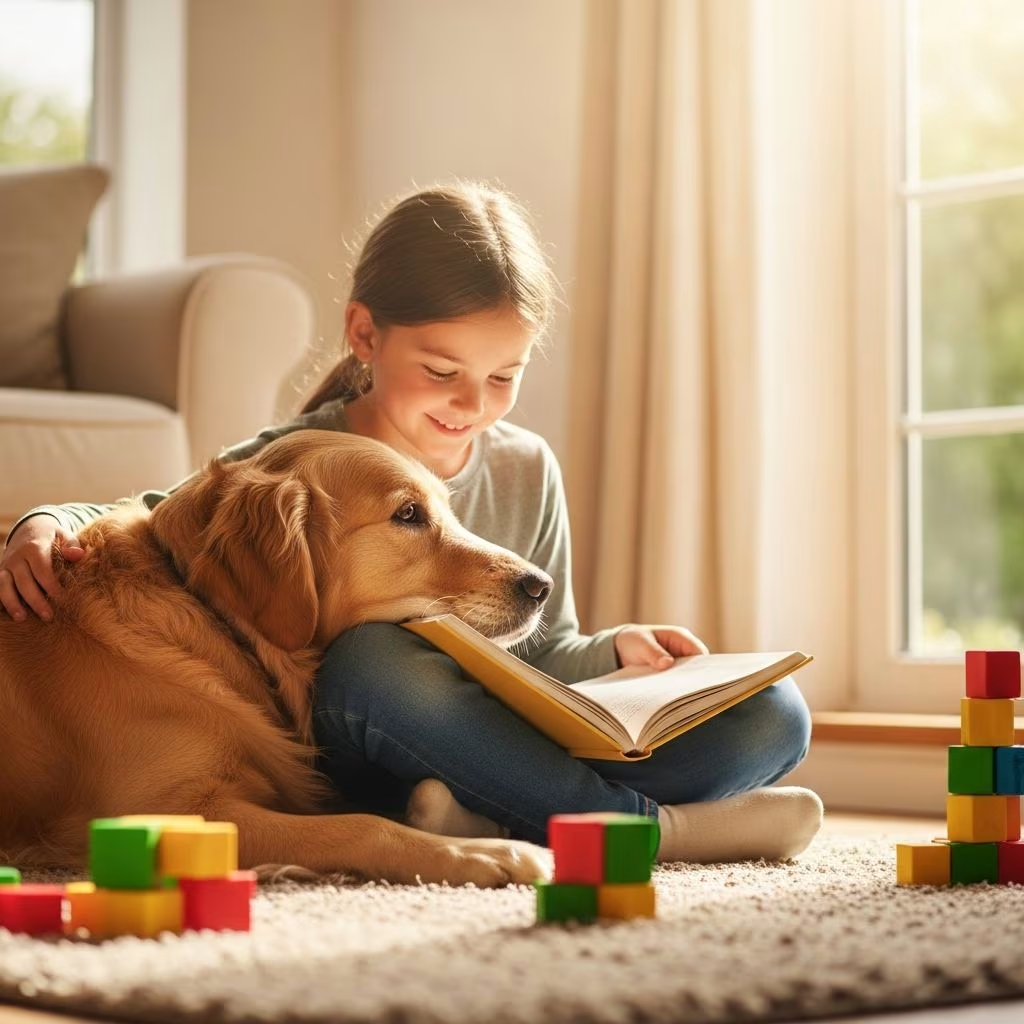
The decision to bring a dog into a household with children extends far beyond providing a playmate. Scientific research consistently demonstrates that canine companions influence nearly every aspect of childhood development, from physical health to emotional maturity. Understanding these benefits can help families make informed decisions about pet ownership and maximize the positive impact dogs have on growing minds and bodies.
The Foundation of Emotional Growth
One of the most significant ways dogs influence children’s lives is through emotional development. Dogs provide what researchers describe as unconditional acceptance—a quality that distinguishes them from human relationships. Children often develop unique emotional bonds with their pets, sometimes reporting that they would turn to their dog first when facing a problem or experiencing distress.
This emotional safety translates into measurable psychological benefits. Studies show that the mere presence of a dog during childhood increases emotional expression and control in children. When children interact with dogs, their brains release oxytocin, commonly known as the bonding hormone, which contributes to feelings of security and well-being. This neurochemical response helps explain why children with dogs in their homes demonstrate lower anxiety levels and reduced stress compared to their peers without pets.
The emotional support dogs provide extends into therapeutic settings as well. Children with autism spectrum disorder show marked improvements in calmness and social engagement during supervised interactions with therapy dogs. This demonstrates how dogs can serve as bridges for children who struggle with traditional social interactions.
Building Compassion and Empathy Through Responsibility
Pet ownership introduces children to the concept of caring for another living being. This responsibility creates a foundation for developing compassion and empathy that extends beyond the pet-owner relationship. When children participate in daily care tasks—feeding, watering, walking, and grooming their dog—they learn to consider needs outside of their own immediate desires.
The process of meeting a dependent animal’s needs teaches children selflessness at a formative age. Teachers and researchers have noted that children who participate in pet care demonstrate increased pride in their accomplishments and show greater sensitivity toward the needs of both humans and animals. This early exposure to nurturing another creature significantly influences how children relate to their peers and family members throughout their lives.
Parents play an important role in facilitating this learning experience. By checking in regularly on their child’s pet-care responsibilities, parents help reinforce the connection between actions and outcomes, strengthening the developmental benefits.
Physical Health Benefits Beyond Activity
Growing up with a dog produces measurable improvements in children’s physical health that extend beyond simple exercise. Research in pediatric health has revealed that children exposed to dogs during their first year of life develop stronger immune systems than those without early pet exposure. Scientists theorize that this early exposure helps optimize immune system maturation during the critical first year of development.
The health advantages continue beyond infancy. When children living with dogs do become ill, they typically require shorter courses of antibiotics compared to children without dogs, suggesting their enhanced immune function helps them recover more quickly. This finding has significant implications for reducing unnecessary antibiotic use in pediatric medicine.
For children with genetic predispositions to respiratory conditions, dog ownership offers protective benefits. Children with family histories of asthma or respiratory allergies are substantially less likely to develop these conditions if they grow up with dogs, provided the pet is introduced during the first year of life. Interestingly, this protection diminishes significantly if a dog joins the household after age one, highlighting the importance of early exposure.
Similarly, research on eczema prevention shows that children at risk for this skin condition are far less likely to develop it if a dog lives in the home. This protective effect applies even to children who have dog allergies, suggesting that the benefits of cohabitation outweigh the risks for many allergic children.
Elevated Physical Activity and Fitness
One challenge many modern families face is encouraging children to move away from screens and engage in physical activity. Dog ownership provides a natural solution to this problem. Research shows that children with dogs exercise an average of eleven minutes more per day than their peers without dogs. While this may seem modest, the cumulative effect is substantial: eleven additional minutes daily translates to approximately 5.5 hours monthly and 66 hours annually.
This increased physical activity produces cascading health benefits. Regular exercise helps children build strong bones and muscles, improves cardiovascular health, and contributes to overall fitness. Some researchers suggest that promoting dog ownership could represent a viable strategy for combating childhood obesity, particularly for families struggling to motivate their children toward physical activity.
Beyond structured exercise, dogs encourage spontaneous movement and play. Walking a dog becomes a regular family activity that combines physical activity with outdoor exposure and quality time together.
Cognitive Development and Learning Enhancement
Dogs influence children’s cognitive development through multiple pathways. When children talk to their dogs—giving commands, offering praise, or simply engaging in conversation—they demonstrate improved cognitive development. This verbal interaction with a non-judgmental listener provides a unique learning opportunity distinct from traditional human conversation.
Reading to dogs has emerged as a particularly effective learning tool. Children who read aloud to animals show improved reading motivation, better social skills, and increased willingness to share and cooperate. The non-judgmental nature of dogs makes them ideal reading partners for children who might otherwise experience anxiety about reading aloud to humans. Some schools and animal rescues have formalized this benefit through structured reading programs where children practice their skills with trained therapy dogs.
Classroom settings that include dogs show enhanced learning outcomes. The presence of a classroom pet fosters development of independent functioning and supports the psychological separation between self and others—a foundation for developing empathy toward other people. Students in classrooms with dogs demonstrate higher social integration, fewer aggressive behaviors, and greater awareness of others’ emotional states.
Mental Health and Stress Reduction
The stress-reducing properties of dogs represent some of the most well-documented benefits in human-animal interaction research. Petting a dog has been proven to lower cortisol levels—the primary stress hormone—in both the person and the animal. The rhythmic, tactile experience of stroking a dog’s coat activates the parasympathetic nervous system, promoting relaxation and emotional regulation.
Beyond passive petting, interactive play with dogs produces significant mood elevation. Playing with a dog increases serotonin and dopamine levels—neurochemicals associated with happiness, calm, and well-being. These biological changes explain the immediate mood boost children experience during playtime with their canine companions.
Children with anxiety disorders show measurable improvements through dog interaction. Research by the Centers for Disease Control and Prevention found that children with dogs in their homes had significantly lower anxiety scores compared to children without dogs. This anxiety reduction persists across various measures and demographics, suggesting a robust protective effect.
Social Skills and Communication Development
Dogs serve as powerful facilitators of social interaction among children. In social settings, a child with a dog often becomes a focal point of positive attention, reducing social anxiety and creating natural conversation opportunities. For children with social difficulties or developmental differences, a dog can serve as an ice-breaker that reduces focus on the child’s challenges and creates space for authentic interaction with peers.
The non-verbal communication required for dog interaction builds important social competencies. Children learn to read canine body language, interpret intentions, and respond appropriately—skills that directly transfer to understanding human social cues. This enhanced ability to read non-verbal communication improves emotional understanding and helps children navigate complex social situations more effectively.
For children with specific developmental challenges, such as those on the autism spectrum, dogs provide structured opportunities for social practice in a low-pressure environment. The predictable, accepting nature of dog interaction reduces the anxiety that often accompanies human social engagement.
Self-Esteem and Personal Achievement
Caring for a dog provides children with tangible opportunities for accomplishment. Completing tasks like filling water dishes, preparing meals, or maintaining grooming routines builds a child’s sense of competence and self-efficacy. These small victories accumulate into a stronger sense of personal capability.
The responsibility of dog ownership also teaches children about consequence and accountability. When they recognize that their actions directly affect their pet’s well-being, they develop a more mature understanding of personal responsibility. This connection between choice and outcome builds internal motivation and self-respect that extends into other areas of life.
Creating Routine and Stability
Dogs thrive on routine, and this need creates beneficial structure for children as well. Daily responsibilities like feeding, walking, and play sessions establish predictable patterns that children can rely on. This consistency provides emotional grounding and helps children develop organizational skills and time management abilities.
For children experiencing family transitions or stress, a dog’s consistent needs and presence provide stability. The routine of caring for a pet can be particularly grounding during periods of emotional turbulence or change.
Frequently Asked Questions
At what age can children safely interact with dogs?
Supervised interactions with gentle, well-trained dogs can begin in infancy. However, children benefit most from early exposure, particularly during their first year of life, as this timing appears to optimize immune system development. As children grow, increasing levels of responsibility can be introduced based on the child’s maturity and the dog’s temperament.
Does dog breed affect the developmental benefits children receive?
Research emphasizes human-animal interaction quality rather than specific breeds. Any dog can provide developmental benefits when the relationship is positive and safe. Family temperament, training, and supervision matter more than breed selection when considering developmental outcomes.
What if a child has dog allergies?
Interestingly, children with dog allergies who live with dogs have significantly lower rates of eczema compared to allergic children without dogs. The protective benefits of dog exposure may outweigh allergic concerns for many families, though individual medical assessment is essential.
How can parents maximize the benefits of dog ownership?
Parents should actively facilitate the child’s relationship with the dog while ensuring appropriate supervision and safety. Regular check-ins on pet-care responsibilities, encouragement of physical play, and modeling of compassionate care toward the animal all enhance developmental benefits.
Can therapy dogs provide benefits different from family dogs?
Both family dogs and therapy dogs provide significant developmental benefits. Therapy dogs, specifically trained for human interaction, may offer additional benefits in educational or therapeutic settings, but family dogs provide unique advantages through daily companionship and consistent relationships.
Supporting Healthy Dog-Child Relationships
While the benefits of dog ownership for children are substantial and well-documented, successful integration requires active parental involvement. Parents should select dogs with appropriate temperaments for family life, ensure proper training and socialization, and teach children age-appropriate respect and safety around animals.
Regular veterinary care ensures the dog remains healthy and able to fully participate in family life. When these conditions are met, the human-animal bond provides transformative benefits that shape children’s physical health, emotional intelligence, and social capacities throughout their lives.
References
- How Children Benefit From Having a Dog — American Kennel Club. https://www.akc.org/expert-advice/lifestyle/kids-benefit-from-having-a-dog/
- 5 Advantages for Kids Who Grow Up With Dogs — The Drake Center. https://www.thedrakecenter.com/services/dogs/blog/5-advantages-kids-who-grow-dogs
- Child Health & Development Research — Human Animal Bond Research Institute (HABRI). https://habri.org/research/child-health/
- The Power of Pets — National Institutes of Health News in Health. https://newsinhealth.nih.gov/2018/02/power-pets
- 5 Benefits of Dogs and Children Growing Up Together — Purina US. https://www.purina.com/articles/dog/getting-a-dog/5-benefits-of-dogs-and-children-growing-up-together
- Pet Dogs and Children’s Health: Opportunities for Chronic Disease Prevention — Centers for Disease Control and Prevention. https://www.cdc.gov/pcd/issues/2015/15_0204.htm
- Benefits of Pets for Kids — Children’s Hospital Colorado. https://www.childrenscolorado.org/just-ask-childrens/articles/benefits-of-pets/



