
Dogs Eating Rocks: Causes and Solutions
Discover why dogs chew rocks, the hidden dangers, and proven strategies to stop this risky habit safely.
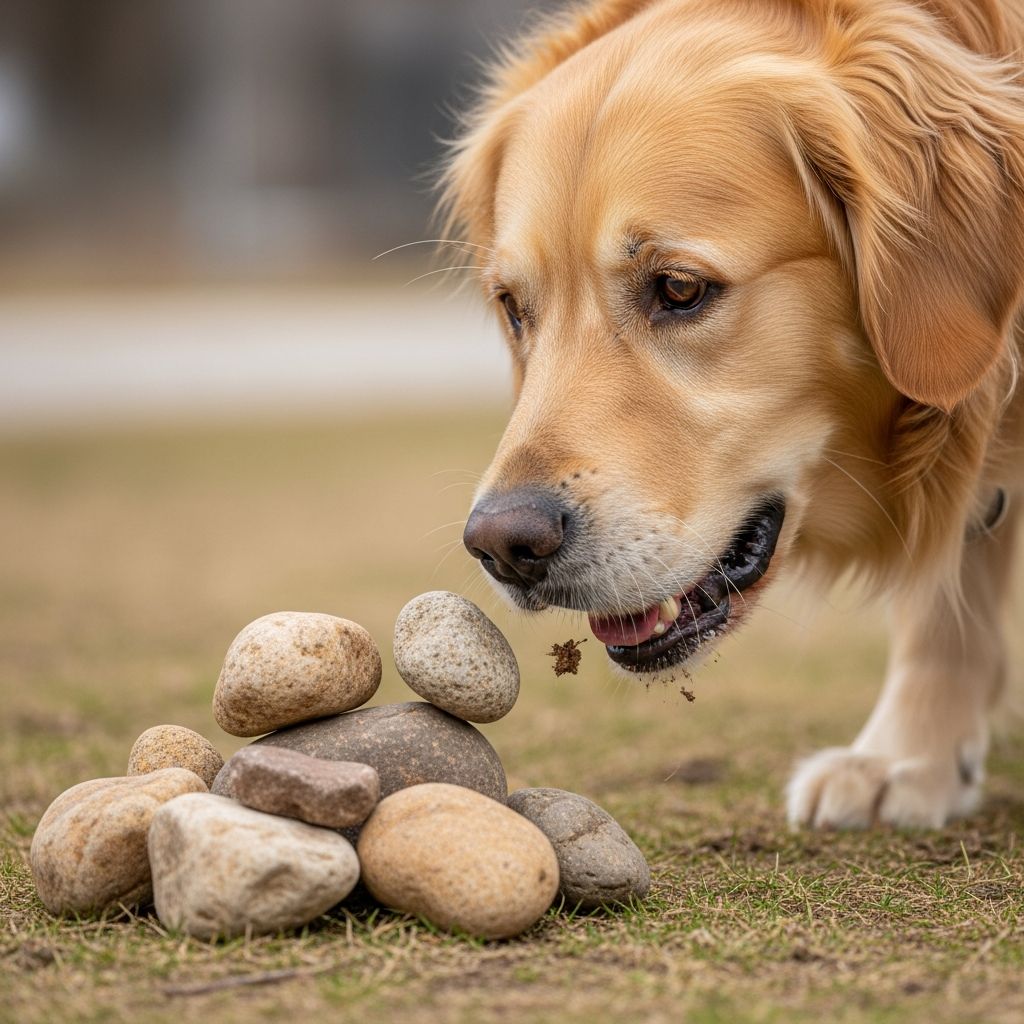
Dogs often chew or swallow rocks due to behavioral triggers, developmental stages, or underlying health problems. This habit poses serious risks including choking and digestive obstructions, requiring prompt intervention from owners and veterinarians.
Common Triggers Behind Rock Chewing in Canines
Understanding the motivations helps in addressing the issue effectively. Dogs interact with their environment through their mouths, leading to occasional rock mouthing, but persistent behavior signals deeper concerns.
Environmental and Psychological Factors
Boredom stands out as a primary driver, particularly for dogs confined outdoors with limited activities. Understimulated pets turn to available objects like gravel for entertainment. Anxiety manifests similarly, with repetitive chewing serving as a self-soothing mechanism during stress.
- Insufficient exercise or playtime leads to frustration, prompting destructive outlets.
- Separation from owners heightens nervousness, increasing non-food ingestion.
- Attention deficits make even scolding a rewarding interaction for some dogs.
Developmental Stages in Puppies
Young dogs explore voraciously, using mouths to gauge textures and scents. Teething exacerbates this, as firm surfaces alleviate gum soreness. Most outgrow it, but supervision prevents accidents.
Health-Related Reasons for Ingesting Non-Food Items
Medical conditions can compel dogs to seek unusual items. While nutritional gaps are often suspected, evidence linking them directly to rock eating remains weak.
Nutritional and Digestive Disorders
Imbalanced homemade or raw diets might prompt compensatory eating, though not conclusively proven for rocks specifically. Gastrointestinal problems, like allergies or ulcers, cause discomfort, leading to odd appetites.
| Condition | Symptoms | Link to Rock Eating |
|---|---|---|
| Anemia | Fatigue, pale gums | Nutrient-seeking behavior |
| Diabetes | Excessive thirst, urination | Increased hunger drives ingestion |
| Parasites | Weight loss, diarrhea | Malabsorption prompts scavenging |
| Pica | Obsessive non-food consumption | Compulsive disorder |
Other Physiological Issues
Dental pain, neurological disorders, or endocrine imbalances like hyperthyroidism can alter eating patterns. Parasitic infections deprive dogs of nutrients, fostering hunger for inedibles.
Dangers of Rock Consumption for Pets
Swallowing stones threatens vital systems. Small pebbles accumulate, while larger ones cause immediate peril.
- Choking: Lodged rocks block airways, demanding urgent action.
- Blockages: Obstructions halt digestion, often needing surgery.
- Injuries: Jagged edges tear intestines, risking peritonitis.
- Tooth Damage: Fractures lead to infections or extractions.
Monitor for vomiting, lethargy, or abdominal pain as emergency signs.
Strategies to Discourage Rock Chewing
Prevention combines management, enrichment, and professional input. Start by eliminating access.
Environmental Modifications
Clear yards of loose stones and supervise outdoor time. Use fences or leashes in rocky areas.
Enrichment and Training Techniques
Boost mental stimulation with puzzle toys, training sessions, and walks. Redirect to durable chews mimicking rock texture.
- Introduce varied toys daily.
- Practice “leave it” commands with rewards.
- Increase daily exercise to 30-60 minutes.
Positive reinforcement outperforms punishment, building trust.
Addressing Attention-Seeking
Ignore unsafe acts and reward calm behavior. Consistent routines reduce anxiety-driven habits.
When to Consult a Veterinarian
Persistent or obsessive chewing warrants a check-up. Vets rule out medical causes via exams, bloodwork, or imaging.
- Sudden onset or weight changes signal urgency.
- Pica requires behavioral therapy or meds.
- Post-ingestion symptoms like retching need immediate care.
Frequently Asked Questions
Is rock eating always a sign of deficiency?
No, behavioral factors predominate; deficiencies lack strong evidence.
Can puppies safely chew small pebbles?
No, even minor ingestion risks obstruction; provide safe alternatives.
How long before a swallowed rock becomes dangerous?
Hours to days; watch for distress and seek vet help promptly.
Do all breeds exhibit this behavior equally?
Breed-agnostic, but high-energy types like Labs may chew more from boredom.
Are there safe rocks for dogs?
No natural rocks are safe; opt for vet-approved chews.
Long-Term Management for Habitual Chewers
For chronic cases, integrate diet reviews, behaviorists, and ongoing monitoring. Track progress with journals noting triggers and successes.
Balanced commercial foods minimize nutritional worries. Annual check-ups catch issues early.
References
- Why Dogs Eat Rocks (And When It’s an Emergency) — Preventive Vet. 2023. https://www.preventivevet.com/dogs/why-dogs-eat-rocks
- Do dogs eat rocks because of nutritional deficiencies? — Vetster. 2024. https://vetster.com/en/wellness/do-dogs-eat-rocks-because-of-nutritional-deficiencies
- Why Do Dogs Eat Rocks? — American Kennel Club. 2023. https://www.akc.org/expert-advice/training/get-dog-to-stop-eating-rocks/
- 9 Reasons Your Dog Is Eating Rocks — Rover.com. 2023. https://www.rover.com/blog/why-do-dogs-eat-rocks/
- Why Do Dogs Eat Rocks (and How to Prevent It)? — Nylabone. 2024. https://www.nylabone.com/dog101/why-do-dogs-eat-rocks
- Why does my dog eat everything off the ground? — Bowman Road Animal Clinic. 2024-07-15. https://www.bowmanroadvet.com/site/blog/2024/07/15/dog-eats-everything
Similar Articles








Read full bio of medha deb




