

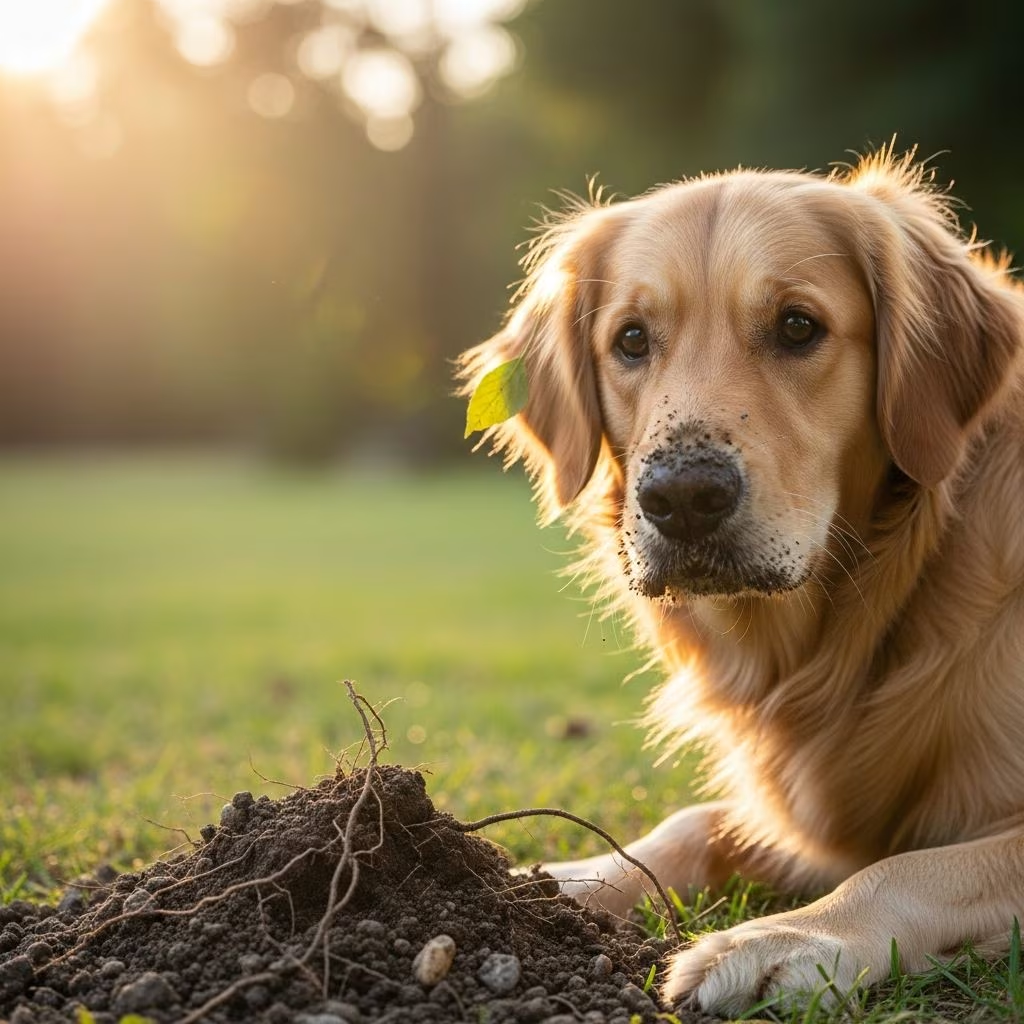
Observing your dog digging into the soil and consuming dirt can be puzzling and worrisome for pet owners. This behavior, medically termed geophagia—a subset of pica, the compulsion to eat non-food items—occurs across various breeds and ages. While occasional nibbling might stem from curiosity, persistent dirt-eating often signals deeper issues like dietary shortfalls, emotional distress, or health problems. Understanding these triggers is crucial for addressing the root cause and preventing potential harm from toxins, parasites, or digestive blockages in the dirt.
Unpacking the Mystery: Common Triggers for Dirt Consumption
Dogs exhibit this habit for multifaceted reasons, blending instinctual drives with modern lifestyle factors. Let’s break down the primary catalysts based on veterinary insights.
Nutritional Gaps Driving Instinctual Foraging
One leading factor is a shortfall in essential minerals and vitamins. Dogs, much like wild ancestors, possess an innate sense to seek out soil rich in iron, zinc, calcium, or magnesium when their diet falls short. Puppies, in particular, show this during rapid growth phases, where demands for these nutrients spike. For instance, anemia linked to iron deficiency prompts dirt ingestion as a misguided self-correction attempt. Hormonal imbalances or poor nutrient absorption from gut disorders exacerbate this, making high-quality, complete commercial foods vital. Vets recommend blood tests to confirm deficiencies before supplementing, as over-supplementation risks toxicity.
- Iron deficiency: Often tied to anemia, leading to pale gums and lethargy alongside dirt cravings.
- Zinc or calcium lack: Common in dogs on homemade or low-grade kibble without balanced formulation.
- Absorption issues: Conditions like exocrine pancreatic insufficiency hinder nutrient uptake, mimicking starvation.
Emotional and Environmental Influences
Beyond biology, psychological elements play a significant role. Boredom in understimulated dogs—those lacking walks, toys, or play—leads to exploratory eating. Breeds like Labradors or Beagles, known for voracious appetites, are prone when idle. Anxiety from changes like new homes, separations, or loud environments triggers self-soothing via dirt munching. Additionally, potent scents in soil—from feces, insects, or fertilizers—entice sniffing that escalates to ingestion, especially in scent-driven hounds.
| Trigger | Common Signs | Affected Breeds |
|---|---|---|
| Boredom | Excessive digging, chewing household items | High-energy breeds (Labs, Border Collies) |
| Anxiety | Pacing, whining, destructive behavior | Separation-prone (German Shepherds) |
| Scent Attraction | Sniffing followed by rapid eating | Sighthounds, Terriers |
Health-Related Compulsions
Serious medical conditions often underlie chronic cases. Gastrointestinal distress, including nausea or parasites, prompts dirt-eating to induce vomiting or settle stomachs—though grass is more typical. Disorders like malabsorption syndromes or endocrine issues disrupt nutrient processing, fueling pica. Rarely, neurological problems manifest similarly. Always rule out these via fecal exams, bloodwork, or ultrasounds.
Assessing the Severity: When to Worry
Not all dirt nibbles demand alarm; puppies often sample during environmental learning. However, red flags include:
- Daily or obsessive frequency.
- Weight loss, vomiting, diarrhea, or lethargy.
- Bloated abdomen or visible parasites.
- Sudden onset in adult dogs.
If observed, schedule a vet visit promptly. Diagnostics might involve diet history reviews, stool analyses for worms, or mineral panels. Early intervention prevents complications like dental fractures from gritty soil, intestinal obstructions, or toxin exposure from treated lawns.
Practical Strategies to Curb the Habit
Addressing dirt-eating requires a holistic approach targeting the cause while making soil unappealing.
Optimize Nutrition and Feeding
Switch to AAFCO-approved foods matching your dog’s age, size, and activity. For suspected deficiencies, vets may prescribe targeted supplements post-testing. Feed measured portions to avoid hunger-driven scavenging, and incorporate dental chews for satisfaction.
Boost Mental and Physical Engagement
Enrich daily routines: 30-60 minutes of walks, puzzle toys, or training sessions combat boredom. Rotate toys and introduce scent games to redirect sniffing instincts. For anxious dogs, desensitization or calming aids like pheromone diffusers help.
- Daily exercise: Brisk walks or fetch to burn energy.
- Interactive feeders: Slow eating to prolong meals.
- Environmental tweaks: Fencing gardens or using bitter sprays on soil.
Environmental Deterrents
Clear yards of appealing debris, apply pet-safe repellents, or plant dog-resistant ground cover. Supervise outdoor time, especially post-rain when mud tempts.
Long-Term Monitoring and Prevention
Track behavior in a journal noting frequency, triggers, and stool quality. Annual wellness exams catch emerging issues. For multi-dog homes, separate feeding prevents competition-induced stress. Consistent routines foster security, reducing compulsive acts.
Frequently Asked Questions (FAQs)
Is it normal for puppies to eat dirt?
Yes, mildly—it’s exploratory. Monitor to ensure it fades by 6-12 months; persistency warrants checks.
Can dirt-eating cause poisoning?
Absolutely; pesticides, fertilizers, or parasites pose risks. Use organic yard products.
How long before seeing vet for this behavior?
Immediately if with symptoms; within a week for isolated incidents.
Does grass-eating relate to dirt-eating?
Often yes—both signal tummy upset. Distinguish by context.
Are certain breeds more prone?
Hungry breeds like Labs yes, but any underfed or stressed dog can.
Expert Insights on Safe Interventions
Veterinarians stress prevention over reaction. Dr. Laurie S. Coger notes pica’s diverse roots, urging toxin awareness. Balanced diets resolve most nutritional cases, per multiple clinics. Integrating these keeps dogs thriving.
In summary, dirt-eating spans benign curiosity to urgent signals. Proactive nutrition, enrichment, and vigilance safeguard health. Consult professionals for tailored plans—your dog’s dirt phase needn’t persist.
References
- Why Do Dogs Eat Dirt — The Grove Animal Hospital. 2023-05-15. https://groveanimalhospital.com/blog/why-do-dogs-eat-dirt/
- Why do dogs eat soil? Understanding the behaviour — Pedigree UK. 2024-02-10. https://www.uk.pedigree.com/dog-advice/dog-behaviour/why-do-dogs-eat-soil
- Why Is My Dog Eating Dirt? — Hill’s Pet Nutrition. 2023-11-20. https://www.hillspet.co.id/dog-care/behavior-appearance/why-do-dogs-eat-dirt
- Why Does My Dog Eat Dirt? — American Kennel Club. 2024-08-05. https://www.akc.org/expert-advice/health/why-does-my-dog-eat-dirt/
- Why is my Dog Eating Dirt? — LePar Animal Hospital. 2023-07-12. https://leparvet.net/blog/why-is-my-dog-eating-dirt/
- Why Is My Dog Eating Dirt? — Wellspring Animal Hospital. 2024-01-18. https://wellspringvet.net/articles/dog-eating-dirt



