

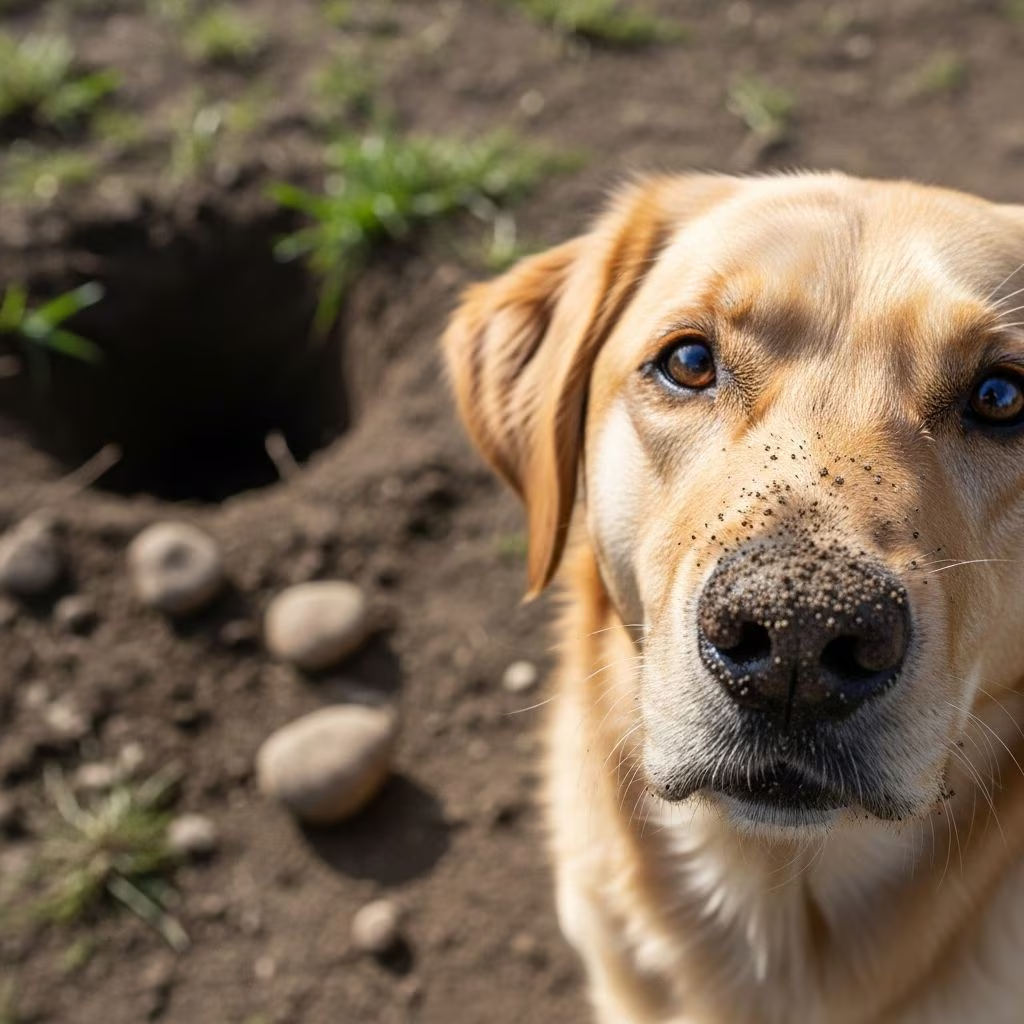
Dogs occasionally nibbling on soil is a common sight, but persistent dirt-eating can signal deeper issues ranging from diet problems to emotional distress. Known medically as geophagia—a subset of pica, the compulsion to ingest non-food items—this behavior affects dogs of all ages and breeds, prompting many owners to seek answers.
Unpacking the Mystery of Geophagia in Canines
Geophagia refers specifically to the intentional consumption of earth or soil, distinct from casual sniffing or incidental ingestion during play. While a one-off episode might stem from curiosity, regular dirt-munching warrants attention as it could expose dogs to parasites, toxins, or digestive blockages. Veterinary experts note that this habit echoes ancestral scavenging instincts, where wild canines consumed dirt to aid digestion or extract minerals, a trait lingering in modern pets despite commercial diets.
Observing context helps: Does your dog target specific patches, like garden beds or potted plants? Frequency matters too—occasional tasting differs from daily scoops. Tracking these patterns alongside changes in appetite, energy, or stool can guide your next steps.
Nutritional Shortfalls Driving Soil Cravings
A leading trigger for dirt-eating is inadequate nutrition, where dogs self-medicate by seeking minerals absent from their meals. Deficiencies in iron, zinc, calcium, or vitamins prompt instinctive foraging in soil, rich in trace elements. Puppies and pregnant dogs face heightened risks due to rapid growth or fetal demands, amplifying needs for these nutrients.
Low-quality kibble or home-cooked meals without balance often underlie this. Absorption problems, like those from gut disorders, exacerbate it—even nutrient-dense food goes unused. Vets recommend blood tests to pinpoint lacks; supplementing under guidance restores equilibrium without soil reliance.
| Common Deficiencies | Symptoms Beyond Dirt-Eating | Solutions |
|---|---|---|
| Iron | Lethargy, pale gums | Vet-prescribed supplements, iron-rich foods |
| Zinc | Skin issues, hair loss | Dietary adjustment, chelated zinc |
| Calcium | Weak bones, tremors | Balanced commercial diets |
Emotional and Behavioral Roots of the Habit
Beyond biology, psychological factors fuel geophagia. Boredom strikes understimulated dogs, turning idle time into exploratory chewing on anything available, including dirt. Insufficient walks, toys, or training leaves high-energy breeds like Labs or Terriers scavenging for excitement.
- Enrichment ideas: Puzzle feeders, scent games, or agility setups redirect energy productively.
- Routine boosts: Daily 30-60 minute exercises tailored to breed prevent idle paws.
Anxiety amplifies this—separation fears, new homes, or loud environments trigger comfort-seeking via soil ingestion, akin to human stress-eating. Calming aids like pheromone diffusers or behaviorist sessions help, especially if paired with positive reinforcement to ignore dirt.
Health Conditions Linked to Dirt Consumption
Serious illnesses can manifest as geophagia. Anemia, often from parasites or blood loss, drives oxygen-starved dogs to mineral hunts. Gastrointestinal woes—reflux, nausea, or blockages—prompt dirt as a natural antacid, though grass is more typical.
Endocrine disorders like Cushing’s impair nutrient uptake, fostering cravings. Parasitic infestations, common in outdoor dogs, irritate guts, leading to soil-soothing attempts. Early vet intervention via fecal exams, ultrasounds, or endoscopy rules these out, preventing escalation.
Risks of Letting Dirt-Eating Continue
Harmless in moderation, unchecked geophagia poses dangers. Toxins in treated lawns—pesticides, fertilizers—build up, risking poisoning with symptoms like vomiting or seizures. Parasites such as roundworms or giardia hitch rides on soil, spreading via feces.
Physical hazards abound: Sharp gravel abrades teeth or guts; clumps cause obstructions needing surgery. Chronic cases signal pica, potentially tied to neurological issues, demanding holistic management.
Step-by-Step Guide to Stopping the Behavior
- Consult a vet first: Rule out medical causes with exams and tests.
- Audit diet: Switch to AAFCO-approved foods; add vet-okayed supplements if needed.
- Increase stimulation: Implement play schedules, training, and toys.
- Supervise outdoors: Use leashes or fenced clean areas; deter with citrus sprays.
- Train alternatives: “Leave it” commands with treats build obedience.
- Monitor progress: Log episodes; revisit vet if unchanged after two weeks.
Breed and Age Variations in Dirt-Eating
Not all dogs equally prone—hounds and diggers like Beagles sniff out scents luring them to soil. Puppies explore voraciously, outgrowing it with maturity, while seniors might signal cognitive decline. Large breeds face higher obstruction risks; small ones, quicker toxicities. Tailor interventions accordingly.
FAQs on Dogs and Dirt-Eating
Is occasional dirt-eating normal?
Yes, especially in exploratory pups chasing scents. Worry if frequent or obsessive.
Can diet alone fix geophagia?
Often, but pair with vet checks—underlying illnesses mimic nutritional cues.
How to prevent yard dirt access?
Plant dog-safe grasses, mulch barriers, or indoor potty solutions work well.
When is emergency vet care needed?
If vomiting, diarrhea, lethargy, or bloating follow dirt binges—possible blockages.
Does grass-eating relate to dirt?
Similar nausea relief intent, but dirt adds ingestion risks.
Long-Term Strategies for a Healthier Dog
Holistic prevention trumps reaction. Annual wellness exams catch deficiencies early. Rotate toys, rotate walks for novelty. Probiotics support gut health, curbing cravings. Community classes build socialization, easing anxiety. Track via apps for patterns, celebrating dirt-free milestones with praise.
Owners report success blending these: One switched to senior formula, added brain games—habit vanished in weeks. Patience pays; most dogs respond within a month.
References
- Why Do Dogs Eat Dirt — Grove Animal Hospital. 2023. https://groveanimalhospital.com/blog/why-do-dogs-eat-dirt/
- Why is My Dog Eating Dirt? Dog Behavior Explained — CityVet. 2024. https://www.cityvet.com/why-is-my-dog-eating-dirt-dog-behavior-explained/
- Why Is My Dog Eating Dirt? — Hill’s Pet Nutrition. 2024. https://www.hillspet.co.id/dog-care/behavior-appearance/why-do-dogs-eat-dirt
- Why is my Dog Eating Dirt? — LePar Animal Hospital. 2023. https://leparvet.net/blog/why-is-my-dog-eating-dirt/
- Why Do Dogs Eat Dirt? — Whole Dog Journal. 2024. https://www.whole-dog-journal.com/behavior/why-do-dogs-eat-dirt/
- Why Is My Dog Eating Dirt? — Wellspring Animal Hospital. 2024. https://wellspringvet.net/articles/dog-eating-dirt
- Why Does My Dog Eat Dirt? — American Kennel Club. 2024-02-17. https://www.akc.org/expert-advice/health/why-does-my-dog-eat-dirt/



