

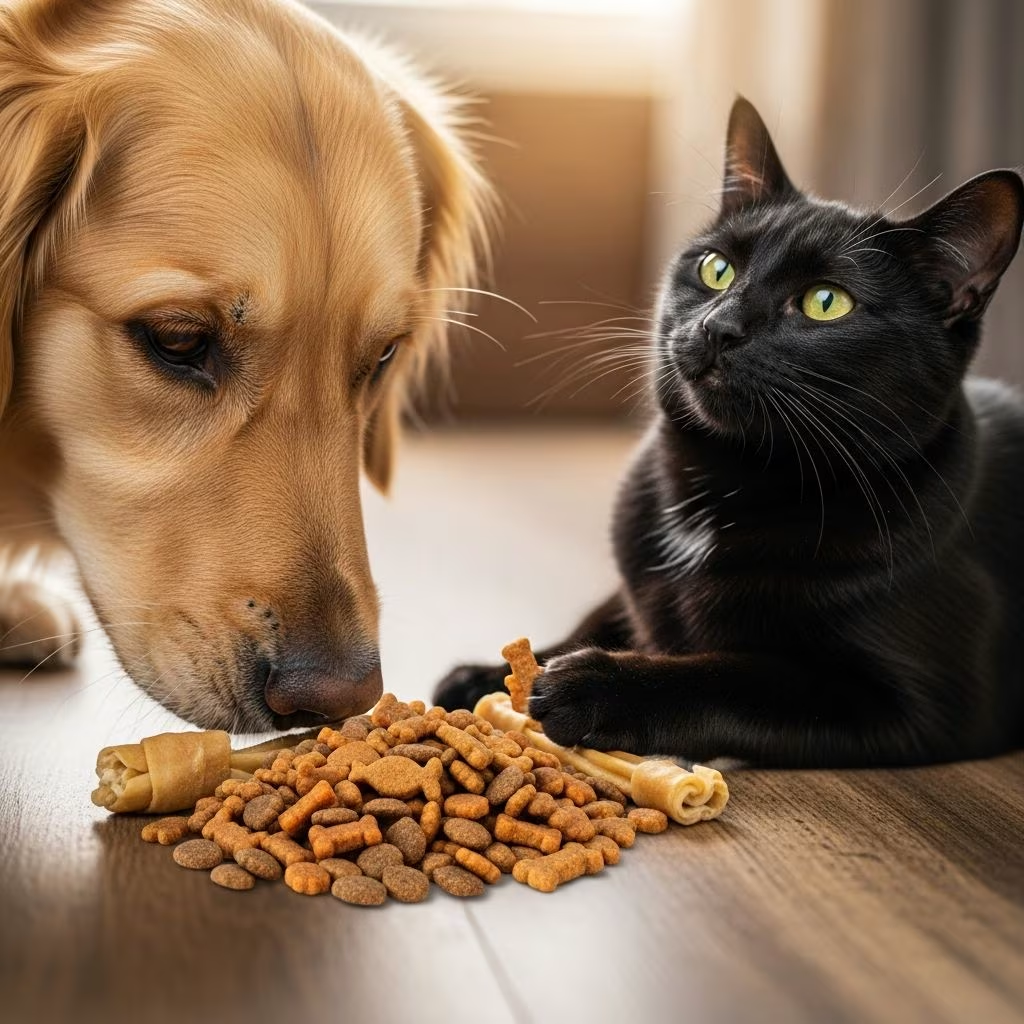
As a pet owner with both dogs and cats in your household, you’ve likely wondered whether it matters if your dog sneaks a feline treat from time to time. While your dog probably won’t suffer immediate harm from the occasional cat snack, the question deserves a more nuanced answer. Understanding the nutritional differences between canine and feline treats, along with the potential consequences of regular consumption, will help you make informed decisions about your pet’s diet.
Understanding the Fundamental Differences Between Canine and Feline Nutrition
Dogs and cats evolved as different species with distinctly different dietary requirements, and this is reflected in the treats designed for each animal. Cats are obligate carnivores, meaning they have evolved to require nutrients that come primarily from animal tissues. Dogs, by contrast, are omnivores, capable of deriving nutrition from both plant and animal sources.
This fundamental metabolic difference influences everything about how commercial treats are formulated. Cat treats are engineered to meet the specific amino acid, vitamin, and mineral profiles that cats require, while dog treats reflect the broader nutritional flexibility of canines. When a dog consumes cat treats regularly, it receives a nutritional profile that doesn’t align with its biological needs.
Nutritional Composition: Where Cat and Dog Treats Diverge
Fat Content Disparities
One of the most significant differences between cat and dog treats lies in their fat content. Cat treats typically contain substantially higher fat levels than dog-specific treats. This higher fat content exists because cats naturally consume fatty prey in the wild and have metabolic systems adapted to process rich, lipid-dense foods. Dogs, while certainly capable of metabolizing fat, don’t require—or benefit from—the concentrated fat levels found in feline snacks.
For dog breeds predisposed to obesity, arthritis, or pancreatitis, the excessive fat in cat treats becomes particularly problematic. The pancreas, an organ responsible for producing digestive enzymes, can become inflamed when processing excessive dietary fat, a condition known as pancreatitis.
Caloric Density and Portion Considerations
Cat treats pack more calories per ounce than dog treats, reflecting the fact that cats naturally eat smaller meals than dogs throughout the day. Treats represent a more significant nutritional supplement for cats, so manufacturers concentrate nutrition and calories accordingly. When a dog consumes these calorie-dense snacks, the additional energy intake quickly accumulates, particularly if treats are offered regularly alongside the dog’s regular meals.
Taurine: An Amino Acid Mismatch
Many cat treats include added taurine, an essential amino acid critical for feline health. Dogs naturally synthesize adequate taurine from other compounds, so they don’t require dietary supplementation of this nutrient. When dogs consume excessive taurine through cat treats, their systems don’t require the extra amount, potentially leading to digestive upset and nutritional imbalances.
Health Risks Associated with Regular Cat Treat Consumption in Dogs
Weight Gain and Obesity
Perhaps the most immediate consequence of dogs regularly consuming cat treats is progressive weight gain. The higher calorie content of feline treats combined with their palatability makes them an efficient route to canine obesity. Dogs experiencing excess weight become susceptible to a cascade of secondary health problems including joint deterioration, diabetes, and heart disease. Additionally, overweight dogs experience reduced mobility, diminished quality of life, and often require medical intervention to manage weight-related complications.
Gastrointestinal Disturbance
The elevated protein and fat concentrations in cat treats frequently trigger digestive upset in dogs, particularly those accustomed to more moderate nutrient levels. Dogs consuming significant quantities of cat treats commonly experience vomiting, diarrhea, gas, and abdominal discomfort. These symptoms result from the sudden introduction of a nutritional profile their digestive systems aren’t designed to process efficiently.
For dogs with pre-existing digestive sensitivities or inflammatory bowel conditions, cat treats present an especially problematic risk factor. Even small quantities might trigger pronounced gastrointestinal reactions in susceptible individuals.
Nutritional Imbalances Over Time
While occasional consumption of cat treats rarely causes detectable nutritional deficiencies, regular snacking disrupts the carefully balanced nutrient profile of a dog’s primary diet. Treats should constitute no more than 10 percent of a dog’s daily caloric intake, and substituting dog-appropriate treats with cat treats gradually skews the overall nutritional picture. Dogs consistently receiving cat treats may develop micronutrient imbalances affecting coat quality, immune function, and bone health.
Allergic and Sensitivity Reactions
Some dogs exhibit sensitivities or allergies to ingredients commonly featured in cat treats. Regular exposure to these problem ingredients can lead to itching, skin irritation, ear infections, and chronic inflammation. Individual dogs react differently based on their unique biochemistry, making it impossible to predict which animals will experience adverse reactions without careful observation.
Special Considerations for Puppies and Senior Dogs
Young puppies face particular risks from consuming cat treats. During their critical growth phase, puppies require meticulously balanced calcium, phosphorus, and other minerals to support proper skeletal development. Cat food and treats lack the precise nutrient ratios that puppy formulations provide, potentially compromising bone development and predisposing puppies to orthopedic problems in adulthood.
Senior dogs with declining kidney function or chronic metabolic conditions also warrant special caution. The higher mineral content of some cat treats, particularly calcium and phosphorus, may tax aging kidneys. Vitamin D, sometimes present at elevated levels in cat foods and treats, can accumulate to toxic levels in dogs with compromised renal function, potentially causing kidney failure.
Potentially Problematic Ingredients in Feline Treats
| Ingredient | Purpose in Cat Treats | Potential Effects in Dogs |
|---|---|---|
| Taurine | Essential amino acid for feline vision and cardiac health | Digestive upset, nutritional imbalance when consumed in excess |
| Propylene Glycol | Moisture retention and preservation | Potential damage to red blood cells and neurological symptoms |
| High Fat Concentrations | Energy density and palatability for cats | Pancreatitis, obesity, joint problems, metabolic complications |
| Vitamin D | Mineral absorption and bone health | Accumulation and toxicity in dogs with sensitive systems |
When Accidental Consumption Occurs: What to Watch For
If your dog accidentally consumes cat treats, panic isn’t necessary. A single instance of consuming a small quantity of cat treats rarely causes serious complications. However, remain vigilant for signs of digestive upset during the following 24 to 48 hours.
Contact your veterinarian if your dog exhibits:
- Persistent vomiting or diarrhea lasting more than a few hours
- Abdominal pain or reluctance to move normally
- Loss of appetite or behavioral changes
- Lethargy or unusual weakness
- Respiratory difficulty or signs of allergic reaction
Best Practices for Multi-Pet Households
Managing treat consumption in homes with both dogs and cats requires practical strategies:
- Separate feeding spaces: Provide cat treats in areas inaccessible to dogs, such as elevated platforms or separate rooms
- Supervised snacking: Offer treats while actively supervising, ensuring each pet receives only their species-appropriate snacks
- Individual storage: Keep cat and dog treats in clearly labeled, separate containers stored in different locations
- Communication: Ensure all household members understand which treats belong to which animal
- Training reinforcement: Teach dogs to avoid cat feeding areas through consistent positive reinforcement
Choosing Appropriate Treats for Your Dog
Dog treats specifically formulated for canines provide the optimal nutritional profile for your pet’s health and wellbeing. Quality dog treats should:
- Match your dog’s life stage (puppy, adult, senior)
- Align with your dog’s size and activity level
- Feature recognizable protein sources as primary ingredients
- Contain appropriate fat levels without excessive richness
- Exclude artificial colors, flavors, and preservatives
- Represent no more than 10 percent of daily caloric intake
Consult your veterinarian if your dog has specific health conditions, allergies, or dietary restrictions requiring specialized treat selections.
Expert Recommendations and Veterinary Consensus
Veterinary professionals consistently advise against making cat treats a regular part of a dog’s diet. While occasional consumption of a single cat treat won’t cause harm, the nutritional mismatch makes regular feeding inadvisable. Most veterinarians recommend maintaining clear species-specific feeding practices to prevent potential health complications.
The consensus emphasizes that dogs thrive best when their entire diet—including treats—aligns with their unique metabolic requirements. This principle applies regardless of how appealing a dog finds feline snacks or how much a multi-pet household simplifies treat administration when using identical products.
Addressing the Reverse Situation: Dogs Treats and Cats
The relationship works differently in reverse. Cats consuming dog treats face different risks than dogs consuming cat treats. Dog treats typically contain higher carbohydrate levels than cat treats, and cats possess limited enzymatic capacity to process complex carbohydrates effectively. Regular consumption of dog treats by cats can trigger vomiting, diarrhea, and nutritional deficiencies, as well as weight gain from oversized portions.
Frequently Asked Questions
Q: Will one cat treat harm my dog?
A: A single cat treat occasionally won’t cause lasting harm to most dogs. However, regular consumption presents genuine health risks worth avoiding through preventive management.
Q: Are there treats safe for both dogs and cats?
A: Yes, some manufacturers produce treats formulated for both species, though these represent a compromise between species needs rather than optimal nutrition for either animal. Consult product labels and your veterinarian when considering such options.
Q: What should I do if my dog steals cat treats regularly?
A: Implement physical separation strategies, use positive reinforcement training, and consider consulting a veterinary behaviorist if the behavior persists.
Q: Can cat food be given to dogs during emergencies?
A: In true emergency situations where no dog food is available, cat food won’t cause immediate harm, but it shouldn’t represent a long-term feeding solution.
Conclusion: Making Informed Choices for Your Canine Companion
Dogs can technically survive consuming cat treats without experiencing acute medical emergencies, but this capacity doesn’t equate to appropriateness or advisability. The nutritional profiles of cat treats simply don’t align with canine dietary requirements, and regular consumption creates genuine health risks including obesity, digestive complications, and gradual nutritional imbalances.
As a responsible pet owner, you possess the knowledge to make informed choices that prioritize your dog’s long-term health. By maintaining species-specific feeding practices, storing treats securely, and selecting snacks designed specifically for your dog, you invest in your companion’s vitality and longevity. Your veterinarian remains your best resource for personalized guidance regarding your individual dog’s dietary needs and treat selections.
References
- Can dogs eat cat treats? — ManyPets. https://manypets.com/uk/articles/can-dogs-eat-cat-treats/
- Can You Give Dogs Cat Treats? A Guide On Safe Treats For Dogs — Coops and Cages. https://www.coopsandcages.com.au/blog/can-you-give-dogs-cat-treats/
- Can Dogs Safely Eat Cat Treats? — Darwin’s Natural Pet Products. https://www.darwinspet.com/blogs/resources/can-dogs-eat-cat-treats
- Is it Safe for Dogs to Eat Cat Food? — Falls Village Veterinary Hospital. https://raleighncvet.com/dog-care/is-it-safe-for-dogs-to-eat-cat-food/
- Can Dogs Eat Cat Treats (and Vice Versa) — PetFriendly Box. https://petfriendlybox.com/resource-center/can-dogs-eat-cat-treats
- What Should I Do if My Dog Eats Cat Food? — Bottle Tree Animal Hospital. https://bottletreeanimalhospital.com/blog/dog-eats-cat-food/
- Can Dogs Eat Cat Treats? Differences Between Dog and Cat Snacks Explained — Happy Hounds CBD. https://happyhoundscbd.com/blogs/the-happy-pets-blog/can-dogs-eat-cat-treats-differences-between-dog-and-cat-snacks-explained



